
Opening: a future-speculative case for light as structure
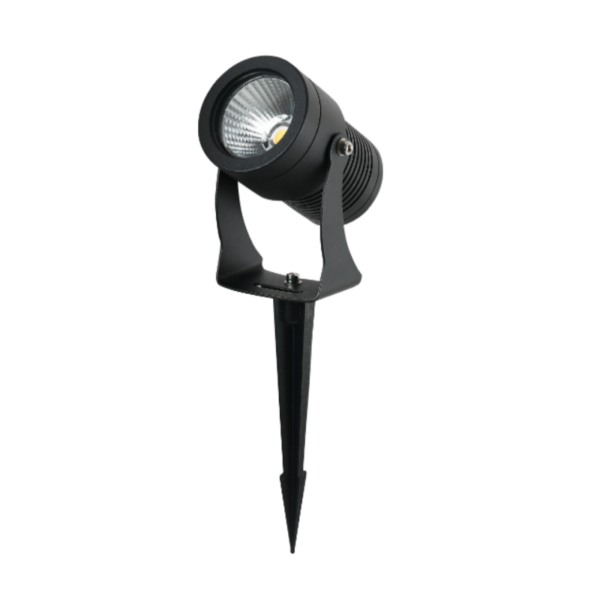
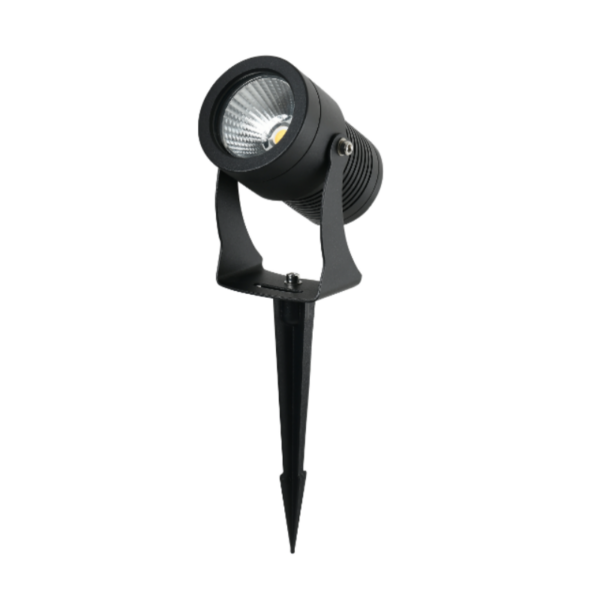
We’re entering a design era where lighting isn’t just an afterthought — it’s a structural language. Waterproof outdoor wall fixtures are shifting how façades, pathways, and public spaces read at night, and they’ll become coordinates in the next wave of urban design. Think of integrated wall sconces that define circulation, or low-glare uplights that sculpt masonry without compromising weatherproofing — and yes, that same sensibility extends to complementary solutions like garden spike lights for ground-level articulation. The point: durable outdoor luminaires let architects and product teams prototype spatial narratives that survive storms, salt spray, and long hours of operation.
Why waterproof wall lights matter — the practical anchor
There’s a practical reason this matters beyond aesthetics. Cities such as New York have turned promenades like the High Line into case studies for curated nightscapes where robust fixtures are essential. LEDs used in those contexts can reduce energy use dramatically — in many applications, up to roughly 80% compared with older incandescent approaches — which changes maintenance economics and sustainability targets. For designers planning façades or landscape edges, IP-rated fixtures (for example, IP65) and reliable surge protection become as important as finish and form.
Core technical levers designers should track
When spec’ing waterproof outdoor wall lights, focus on three industry levers: lumen output, beam angle, and Correlated Color Temperature (CCT). Lumen output dictates task versus ambient intent; beam angle sculpts texture on materials; and CCT sets mood and color accuracy. Don’t forget the driver — its dimming protocol and thermal management determine lifetime and flicker performance. These are the knobs that translate an idea on paper into a readable, weatherproof night environment.
Design scenarios: where wall fixtures meet landscape elements
Think in systems: a low-profile waterproof wall washer that highlights a retaining wall, paired with recessed deck lights and led garden spike light accents, produces layered depth while keeping sightlines clean. In hospitality projects, adjustable beam angles let you switch from dramatic grazing to soft ambient washes without rework. For residential courtyards, consider fixtures with integrated shields and anti-glare optics to preserve neighborly privacy. And for coastal builds, material choices and IP grading prevent corrosion — that’s not glamorous, but it saves you from repeated retrofits.
Common mistakes and how to dodge them
Teams often overspec brightness or under-spec ingress protection. They’ll pick a high-lumen fixture and then complain about glare at the dinner table — or they’ll choose a sealed fixture without thinking about heat dissipation, shortening LED life. A second common slip: assuming an elegant finish will last without marine-grade materials in salty environments. Test early with prototypes installed on-site — run them through a wet-week simulation and a thermal cycle check. —
Integration lessons from the field
From working on several mixed-use façades, I’ve seen two reliable patterns. First: modularity wins. Fixtures that accept a range of lenses and shields let you tune beam angle in situ. Second: simplify controls. Using fixtures compatible with standard PWM dimming or 0–10V drivers reduces integration friction with building automation. When you design this way, maintenance teams thank you — and operations budgets breathe easier.
Three golden rules (advisory close)
1) Metric-first selection: demand documented lumen maintenance (L70/L80) and MTBF from manufacturers — this tells you real lifecycle value, not just nominal wattage. 2) Environmental fit: specify the correct IP rating and materials for the exposure regime — coastal, freeze-thaw, or high-humidity environments each require different safeguards. 3) Systems compatibility: verify driver type, dimming protocol, and surge protection so your wall fixtures plug into existing control ecosystems without field rework.
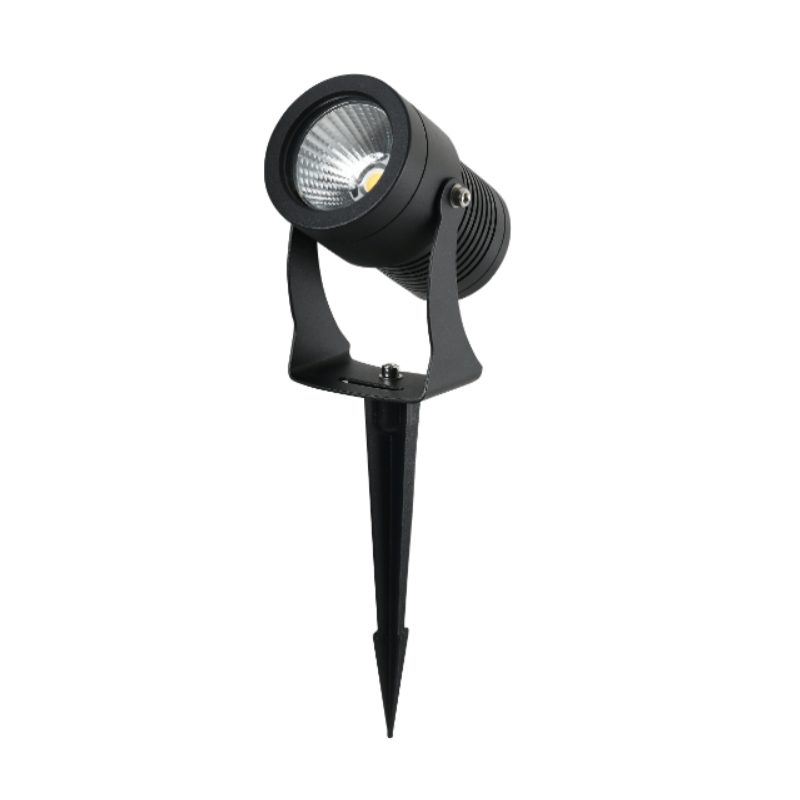
These rules steer you toward lighting that acts as durable architecture rather than temporary hardware. For teams trying to turn bold sketches into buildable, maintainable projects, the right products make the leap possible — and that’s precisely where Keyida fits in with thoughtfully engineered fixtures that consider optics, ingress protection, and real-world installation constraints. —