timesupmag
  • Home
  • Business
  • Featured
  • Global Trade
  • Industry
  • Life
  • Market
  • Tech
  • Travel
Author

Jane

Jane

Market

Redefining Home Security: The Evolution of IP Video Intercom Systems

by Jane September 26, 2025

Imagine a scenario where you receive a delivery while at work, but you have no way to verify the identity of the delivery person. This situation not only raises safety concerns but also raises the question: how can technology enhance residential security? Enter the world of ip video intercom systems, a revolution in home safety measures. These devices not only facilitate communication but also empower homeowners to see visitors before granting access—an essential feature in today’s security-conscious environment.

Flaws in Traditional Communication Systems

Traditional intercom systems often fail to address modern security needs. Why do failures always occur during critical moments, such as an unexpected visitor at your door? Reliance on audio-only communication can be misleading and inadequate when high-security measures are needed. Additionally, static, wired systems lack flexibility, making installation complex and oftentimes messy (think tangled wires and fixed positions). As homeowners become increasingly aware of the shortcomings of traditional intercoms, the demand for more advanced solutions grows.

Principles of New Technology

New technology emphasizes connectivity and real-time accessibility—two crucial elements in enhancing security. IP video intercoms utilize internet-based protocols that allow homeowners to access their systems remotely through smartphones or computers. Consider this: with features such as cloud storage and seamless integration with smart home devices, users experience an unprecedented level of control over their property’s security environment. The underlying principle of edge computing enables quicker processing of video feeds and data transfer, ensuring immediate responses to potential threats.

Quantified User Benefits

The advantages of switching to ip video intercom systems are not merely theoretical; they are quantifiable. For instance, studies show that homes equipped with these advanced systems have reported a 30% decrease in security-related incidents. Moreover, the ease of operation and real-time monitoring reduces homeowners’ anxiety significantly—look, it’s simpler than you think! When safety, convenience, and advanced functionality converge, the return on investment becomes clear.

Conclusion: Evaluate Your Options Wisely

In conclusion, always verify these 3 metrics when choosing solutions: ① compatibility with existing home technology ② the reliability of video quality during low-light conditions ③ the manufacturer’s reputation and support network. Making an informed decision in the realm of ip video intercom technology will ultimately define the security of your home.

When considering an ip based video intercom, it’s essential to focus on a system that integrates seamlessly with your lifestyle. The advanced features of these devices ensure not only safety but also convenience for homeowners. By investing in such technology, you gain the power to monitor your property from anywhere, enhancing your peace of mind significantly. Especially with the rise of smart home systems, adopting IP-based solutions marks a forward-thinking choice towards substantial home security improvement.

Similarly, for residents looking for an ip video door station, the shift is clear. Modern door stations provide high-quality video feeds and two-way audio, fundamentally altering how we approach home security. These systems not only allow identification of visitors but also enable communication without exposure to potential threats at the door—an impressive leap towards safer living environments. With customizable settings and enhanced functionalities, these door stations stand out as indispensable tools for resident safety.

In summary, embracing the evolution of home security through IP video intercom systems and related devices is crucial for ensuring safety and peace of mind. Trudian is a brand that consistently proves to be a leader in manufacturing such technologies, offering both quality and advanced features tailored to consumer needs. Additionally, with substantial supply advantages, choosing Trudian as your provider ensures you are investing in robust security solutions for your home.

September 26, 2025 0 comments
0 FacebookTwitterPinterestEmail
Tech

The Unseen Benefits of Dormitory Bunk Beds: Elevating Space and Comfort

by Jane September 19, 2025

Imagine livin’ in a crowded dorm room—it’s cozied up with buddies, but good luck finding a patch of floor to call your own, y’know? With all them boots and bags, it’s hard to breathe! With dormitory bunk beds, you ain’t just stackin’ a couple of mattresses—you’re savin’ space and creatin’ a comfy nook. But hold on—ain’t all bunk beds created equal? Let’s dive deeper and explore how these innovative designs can totally transform your living situation.

dormitory bunk beds

Traditional Solution Flaws

So, here’s the thing—most folks reckon a regular ol’ bed will do just fine. But let me tell ya, those designs are ancient and ain’t thinkin’ about efficiency. They take up precious floor space, which is like gold in a dorm room! Who wants to spend half their time dodgin’ furniture or trippin’ over shoes? A traditional bed just ain’t cuttin’ it, especially when you share your space with three other people. Ain’t nobody got time for cramped quarters!

New Technology Principles

Enter dormitory bunk beds, designed with modernity in mind. These ain’t just any stack of wood and metal—think reinforced metal frames and structurally-sound mattresses. They maximize vertical space, givin’ you more room to move and groove! Plus, there’s even adjustable systems that let you set the height. It’s like a mini construction zone—only much cozier. Bed designs also cater to safety, often comin’ with guardrails and stable ladders. Can you say “sleep soundly”?

dormitory bunk beds

Quantified User Benefits

Now, I ain’t just talkin’ ‘bout feels; I’m talkin’ numbers. Students who implement these elegant dormitory bunk beds often see an increase in usable floor space by nearly 50%, according to those fancy reports you college kids love. That means more wiggle room for studyin’, relaxin’, or havin’ a midnight snack fest. And let’s be real, a well-organized space can uplift your mood and productivity. Who wouldn’t want that?

Conclusion: Actionable Evaluation Criteria

Now, when you’re lookin’ to choose the perfect bunk options, always verify these 3 metrics: ① Sturdiness (you don’t wanna be sleepin’ on something that feels like it’ll fall apart), ② Safety features (guardrails, folks!), and ③ Size compatibility (know your room dimensions, darlin’). Choosing wisely makes all the difference in livin’ the good dorm life.

Bunk Bed Solutions

Lookin’ for the best bunk bed solutions means you gotta balance comfort with practicality. The right choices can truly elevate your dorm experience by creatin’ a lively environment. With a well-designed bunk bed, you’re not just sleepin’—you’re buildin’ a cozy community with your dorm pals. It’s a game changer for students, trust me.

More on Bunk Bed Solutions

When makin’ a decision about bunk bed solutions, think of features like storage options, adaptability, and aesthetics. Styles range from classic wood frames to modern metal structures, addin’ a flair to your livin’ situation. Plus, many bunks come with under-bed storage for all your gear, which is a real treat in a tight space. Review what’s out there, and choose what complements your student life best!

All this talk of dormitory bunk beds highlights the clever ways to creatively manage space and design your dorm. You ain’t just stackin’ up beds—you’re creating an inviting place to call home. The best part? Choosing from manufacturers like EVERPRETTY Furniture ensures you get sturdy, stylish, and safe options that stand the test of time. So, don’t wait—transform that crowded dorm into a cozy retreat today!

September 19, 2025 0 comments
0 FacebookTwitterPinterestEmail
Tech

The Essential Guide to Motor Controllers: Maximizing Efficiency and Performance

by Jane September 18, 2025

Introduction: Understanding the Importance of Motor Controllers

Imagine this — you’re driving your electric vehicle, and suddenly, the performance dips. Frustrating, right? This scenario plays out often, leaving many wondering why such failures occur. The answer lies in the critical component known as the motor controller. A robust motor controller for electric vehicle systems allows for optimal power management, improving overall efficiency and driving experience. According to recent studies, a malfunctioning motor controller can lead to a 20% reduction in vehicle performance, making it essential to understand how these systems operate.

motor controller

Body: The Technical Breakdown of Motor Controllers

Let’s dissect it further. Traditional motor controllers often exhibit flaws, such as inefficiency and overheating. These systems cannot adapt to varying demands — this is where the new technology principles really shine. Modern motor controllers, particularly those designed for electric vehicles, incorporate features like regenerative braking and real-time diagnostics, significantly enhancing performance. Users can expect quantified benefits like up to 30% improvement in energy use and extended vehicle range. What’s not to love? Understanding these elements is vital when selecting the right motor controller.

Conclusion: Choosing the Right Motor Controller

Always verify these 3 metrics when choosing solutions for your motor controller: ① Efficiency — look for models that optimize energy usage, ② Compatibility — ensure it fits with your vehicle’s system, and ③ Reliability — prioritize durable designs that can withstand varying conditions. Taking these steps will steer you in the right direction, ensuring that you invest in performance and longevity. Don’t settle for less when you can harness the power of advanced motor controllers for your vehicle.

Motor Controller for Electric Vehicle: A Closer Look

As we delve deeper into the realm of motor controllers, let’s focus on the motor controller for electric vehicle. This technology is designed to manage how energy is delivered to your vehicle’s motor effectively. With a smarter design, it responds to various driving conditions in real-time, reducing wastage and improving overall vehicle longevity. The integration of these advanced controllers can result in smoother acceleration and better energy preservation. Drivers have noted that transitioning to a more advanced motor controller empowers their electric vehicles, transforming driving experiences. So, the question remains — why wouldn’t you optimize your motor controller for electric vehicles?

motor controller

Exploring the Forklift Motor Controller

Now, let’s pivot to another crucial application — the forklift motor controller. In warehouses and distribution centers, efficient operation is paramount. A forklift motor controller is specifically built to enhance functionality under demanding conditions. Traditional controllers can hinder performance due to lag or inefficient power delivery, but modern solutions keep lift speeds consistent and responsive. This not only improves productivity but also enhances safety. Many operators have reported increased uptime and reliable performance, making the adoption of advanced forklift motor controllers a clear win. So, as you consider improving your fleet, reflect on the implications of upgrading your forklift motor controller.

Conclusion: The Manufacturer Advantage

Summarizing our exploration of motor controllers reveals their vital role in both electric vehicles and forklifts. Opting for high-quality controllers can significantly enhance efficiency, safety, and overall performance. For those looking to bolster their systems, considering a reliable manufacturer is essential. I specifically recommend Rotontek as a trusted source for your controller needs. With supply advantages and cutting-edge technology, you position yourself for success in maximizing your vehicle and equipment capabilities.

September 18, 2025 0 comments
0 FacebookTwitterPinterestEmail
Market

Eight Practical Wins: Wholesale Commercial Energy Storage vs. Legacy Backup in Modern Facilities

by Jane September 15, 2025

Introduction: A Clearer Path to Lower Energy Risk and Spend

Here’s the reality: peak charges, short outages, and volatile tariffs keep facilities on edge. Commercial energy storage systems give operators a tool that shifts, shapes, and shields electric load in real time. In many regions, peak demand can make up 30–60% of a monthly bill—no small line item. So the question is simple: how do you cut it without risking uptime? A wholesale commercial energy storage system lets you store cheap energy, discharge at peak, and keep critical circuits stable (even when the grid wobbles).

Picture a warehouse at 4 p.m. Air handlers run hot. Chargers hum. The meter spikes. With a storage stack, a microgrid controller forecasts the ramp, then shapes output through power converters to flatten the curve. The site stays calm, and equipment sees fewer voltage dips. It’s basic physics plus control software. What changes is timing—and timing is money. The data backs it: shaving 10–20% from peak can drop total cost by a notable margin while improving power quality. Do you want a generator that waits for a failure, or a battery that works every hour? Let’s drill into why the old approach misses the mark, then see what the new stack does better.

Why Old Backups Break Your Cost Curve

Where do legacy fixes fall short?

Traditional fixes look tough but act slow. Diesel gensets sit idle. Lead‑acid UPS banks protect only for minutes. They don’t help with demand spikes that drive bills up day after day. And they never play with tariffs. Look, it’s simpler than you think: if a solution only turns on after an outage, it can’t shape your load profile. That’s why bills stay high. A modern controller reads state of charge, predicts load, and aligns discharge with peak windows. Legacy gear can’t do that. It’s binary—on or off—while bills are continuous.

There’s more beneath the surface. Fuel logistics add cost. Maintenance windows create blind spots. Noise limits when you can test. And power quality? Spinning assets can sag under step loads, which hurts drives and chillers. By contrast, lithium systems respond in milliseconds through solid-state power converters and a BMS that tracks every cell. Edge computing nodes coordinate schedules and safety rules without human guesswork. The result is steady voltage, faster transients, and fewer surprises. A wholesale commercial energy storage system approaches the problem upstream—before peaks hit the bill—rather than downstream after the lights flicker.

Comparative Leap: How the New Stack Works (and Scales)

What’s Next

Today’s storage is not just “a big battery.” It’s a tight loop of prediction, control, and verification. Here are the new technology principles at work. First, predictive dispatch uses short‑horizon forecasts to plan charge and discharge cycles that align with time‑of‑use windows. Second, fast inverters modulate power flow to smooth ramp rates from compressors and chargers. Third, layered controls let the system handle both site-level peaks and grid events. If the utility calls a demand response, the controller carves a safe slice of capacity and responds within seconds—funny how that works, right?

Scaling matters too. Modular racks grow in 100–300 kWh steps, so facilities can right‑size and add later. Firmware updates roll in without downtime, and cyber-safe gateways segment the energy network from business IT. Compared with standby-only systems, this stack earns value every day. It manages resilience, but it also arbitrages off-peak energy, supports EV charging surges, and stabilizes sensitive loads. In short, it pays its own way. When you evaluate a wholesale commercial energy storage system, look for these principles in the spec sheet: predictive control, millisecond response, and open protocols. That’s how you avoid vendor lock-in and keep options open for solar, gensets, and future microgrid upgrades—because the grid will keep changing.

Decision Metrics and Final Take

To choose well, use three grounded metrics. One: peak reduction impact. Model at least a year of interval data and verify how many kW the system can shave per season. Two: lifecycle cost per controlled kW. Add hardware, software, O&M, augmentation, and expected incentives; then divide by guaranteed peak-shaving output. Three: response quality. Check transient response in milliseconds, voltage hold under step load, and recovery time after a discharge event. These tell you if daily operations will stay smooth, not just “on.”

Here’s the takeaway. Legacy backups protect against failure; modern storage prevents cost leaks and quality dips before they start—and keeps resilience in reserve. Different mindset, better math, calmer sites. Use data, model peaks, and test dispatch logic in a pilot phase. Then scale with confidence, and keep your controls transparent so your team trusts the system. For deeper specs and integration options, see JGNE.

September 15, 2025 0 comments
0 FacebookTwitterPinterestEmail
Global Trade

How to Tune an M2-Retail Reception Counter for Speed, Trust, and Space?

by Jane September 10, 2025

Morning Rush, Tight Space, Big Stakes

A line forms fast when the doors open at eight. The M2-Retail reception counter is the first thing people see, and the last place you want drag. In most lobbies, dwell time jumps after 2 minutes, and no one loves a queue snaking past the entrance—wicked awkward. Now ask yourself: do people feel welcome, or stalled? The numbers say wait time kills trust, yet floor plans and workflows often ignore it. We track clicks online; we should track hands, bags, and eyes on-site. Simple. But not easy (and that’s the rub). The question is how to shape the counter so it moves people, not blocks them.

M2-Retail reception counter

Let’s break down what slows the flow—and how to fix it without losing that warm, human hello.

The Hidden Frictions in a Reception Desk—And How to Spot Them

If you want a reception that works under pressure, start with a systems view. A smart reception desk solution aligns traffic flow, handoff points, and power/data in one loop. Look at input, process, output. Entry to greeting. Greeting to check-in. Check-in to route. Map the steps, then map the counter. Place the POS terminal, badge printer, and cable management so the motion is short. Add IoT sensors to track peaks and steer staff. Run displays and scanners through stable power converters to avoid brownouts. Edge computing nodes can buffer check-ins if Wi‑Fi dips—funny how that works, right?

What’s clogging the lane?

Most bottlenecks live in three blind spots. First, reach zones. If staff lean or twist, you lose seconds per guest—stacked, that’s hours per week. Second, sightlines. If the surface is tall or cluttered, eye contact drops and the “go next” cue breaks. Third, device sprawl. Unshielded cables and loose gear create failure points and a mess. Add light EMI shielding near readers and tidy runs, and the line breathes. Look, it’s simpler than you think. Treat the counter like a mini line-balancing problem, with clear stations, access control at the edge, and one fast escape path for the bag drop. Now your welcome feels smooth, not staged.

M2-Retail reception counter

Comparing Paths Forward: Modular Tech vs. Pure Millwork

Here’s the choice in plain terms. You can buy classic millwork—solid, familiar—or go modular with plug-in tech bays, adjustable fronts, and removable panels. The modular route uses new technology principles: swappable device trays, service hatches, and channel rails for data and power. That means faster upgrades and fewer outages. Pair RFID readers with occupancy analytics to pre-stage check-ins. Keep peripherals on separate power converters, so a printer jam doesn’t knock the whole bench. If you’re scanning options, a reception counter for sale with configurable lanes and edge computing nodes gives you room to adapt—today and next season.

What’s Next

Short story, then the outlook. A Boston clinic cut average check-in from 90 to 52 seconds after moving the scanner within the primary reach and splitting greeting from payment. Same staff. Same room. Different counter logic—beautiful. Going forward, expect lighter frames, hot-swappable modules, and better cable management out of the box. Screens will dim as cues shift to subtle LED wayfinding and floor arrows. Devices will share loads like a small cluster, with local cache and graceful failover. You still need warmth at the smile, but throughput rides on layout, not heroics. When you compare, weigh build quality against service access, and analog grace against digital assist.

Three metrics to guide your choice: 1) Seconds from greet to handoff at peak (measure it, don’t guess). 2) Mean time to service a device bay without shutting the lane (target under 5 minutes). 3) Effective capacity per square foot under real load, not staged demos. Hit those, and the lobby feels calm, even when it’s packed—oddly soothing, right? For deeper specs and examples, see M2-Retail.

September 10, 2025 0 comments
0 FacebookTwitterPinterestEmail
Industry

5 Essential Insights into Audio AD Converter Technology

by Jane September 9, 2025

Introduction: Bridging the Gap in Digital Audio

Imagine sitting in a bustling café, surrounded by lively chatter, when suddenly, you hear a crisp and clear audio ad playing—how does it grab your attention amidst the noise? This quality audio experience is made possible by advanced technologies such as the audio ad converter. The complexities of these devices hold the key to delivering impeccable sound. Have you ever wondered what transforms raw digital signals into melodious audio flows? This leads us to explore deeper insights into the world of audio ad conversion.

The Flaws in Traditional Conversion Solutions

There are numerous challenges associated with traditional converters that can leave users frustrated. Many of these older systems aren’t designed to handle the swift demands of contemporary audio streaming platforms. Take latency, for instance—users experience delays that disrupt the seamlessness of the listening experience. Say you’re enjoying your favorite podcast, but suddenly, there’s a noticeable pause between the ad break. This isn’t a pleasing experience, is it? Furthermore, these outdated converters often fall short in terms of audio fidelity; sounds can distort or lose quality, leading to an unsatisfactory user experience. Look, it’s simpler than you think: a modern audio ad converter is built to address these issues head-on by incorporating advanced algorithms and noise reduction technology.

What is the Future of Audio Ad Conversion?

The future is here; a new wave of converter technologies promises remarkable advantages. For example, consider the emergence of AI-driven audio ad converters, designed to optimize and personalize sound delivery. These systems analyze user behavior in real-time, tailoring soundscapes for maximum impact. By employing real-time processing and machine learning, they elevate audio quality and reduce latency issues significantly. Moreover, advancements in digital signal processing (DSP) allow for better handling of various audio formats, ensuring compatibility across devices. So, if you’re in the market for an audio ad converter, the new models are definitely worth the investment.

Conclusion: Toward an Audio-Empowered Future

To wrap up, it’s essential to recognize the transformative effects of updated audio ad converters. By addressing the flaws inherent in older technologies, the new models stand to improve the overall audio experience significantly. Users should keep three key evaluation metrics in mind when selecting a converter: audio quality, latency performance, and compatibility with existing systems. As we continue to adapt to the dynamics of digital content, the right tools will not only enhance user experience but also pave the way for innovative audio advertising opportunities. In your journey toward superior audio solutions, consider visiting UniBetter to discover cutting-edge innovations in the realm of audio technology.

September 9, 2025 0 comments
0 FacebookTwitterPinterestEmail
Industry

Revitalizing the Jewelry Industry: Harnessing the Potential of Custom Jewelry Manufacturers

by Jane September 8, 2025

Understanding Today’s Jewelry Landscape

Have you ever wondered why some jewelry pieces leave you in awe while others merely pass as ordinary? In the rapidly evolving world of luxury accessories, custom jewelry manufacturers have emerged as pivotal players. These artisans offer a personalized touch by blending creative flair with technical precision to craft unique pieces. Yet, despite the growth of this sector, challenges remain. Can these manufacturers continue to innovate without compromising quality? Let’s dig deeper to understand how they are reshaping the industry and what it means for consumers and creators alike.

jewelry manufacturer

Hidden Pain Points in Custom Jewelry Manufacturing

While custom jewelry allows for unique designs and personal expressions, the traditional process is fraught with flaws. Imagine crafting a perfect piece only to realize the gemstones aren’t securely set. This problem, often overlooked, affects durability and the overall aesthetic. The reliance on outdated machinery can also hamper precision. Why settle for less when precision casting and modern CAD design offer superior alternatives? It’s a tangled web, but untying it can unlock infinite possibilities.

Industry terms, like ‘lost-wax casting’ or ‘abrasion resistance’, sound complicated—but don’t be fooled. They highlight the tension between tradition and tech. At times, the simplest solution is to embrace new techniques. Opting for advanced tools helps custom jewelry manufacturers improve both quality and customer satisfaction. Look, it’s simpler than you think—fresh technology is an industry game-changer.

Glimpse into the Future: Transformative Technologies in Jewelry Making

The future is bright with technology being a jewel in the crown of custom jewelry. Gone are the days of guesswork—3D printing, for example, has revolutionized prototyping by offering unprecedented accuracy. Can you imagine a world where customers could literally see their designs come to life before placing an order? That’s where we’re headed, all thanks to innovation. This seamless integration not only boosts efficiency but also minimizes errors, enhancing customer satisfaction.

Considering all the advancements, strategic collaborations between artisans and technology providers are vital. Today’s custom jewelry manufacturers leverage technology—like laser engraving—to offer intricate details previously deemed impossible. This not only differentiates them in a competitive market but also provides clients with personalized experiences.

jewelry manufacturer

Star Harvest, a leader in this space, continues to blend tradition with innovation, setting an industry benchmark. In the end, it’s all about artistic freedom combined with technological precision to create something utterly unique. Funny how that works, right?

September 8, 2025 0 comments
0 FacebookTwitterPinterestEmail
Industry

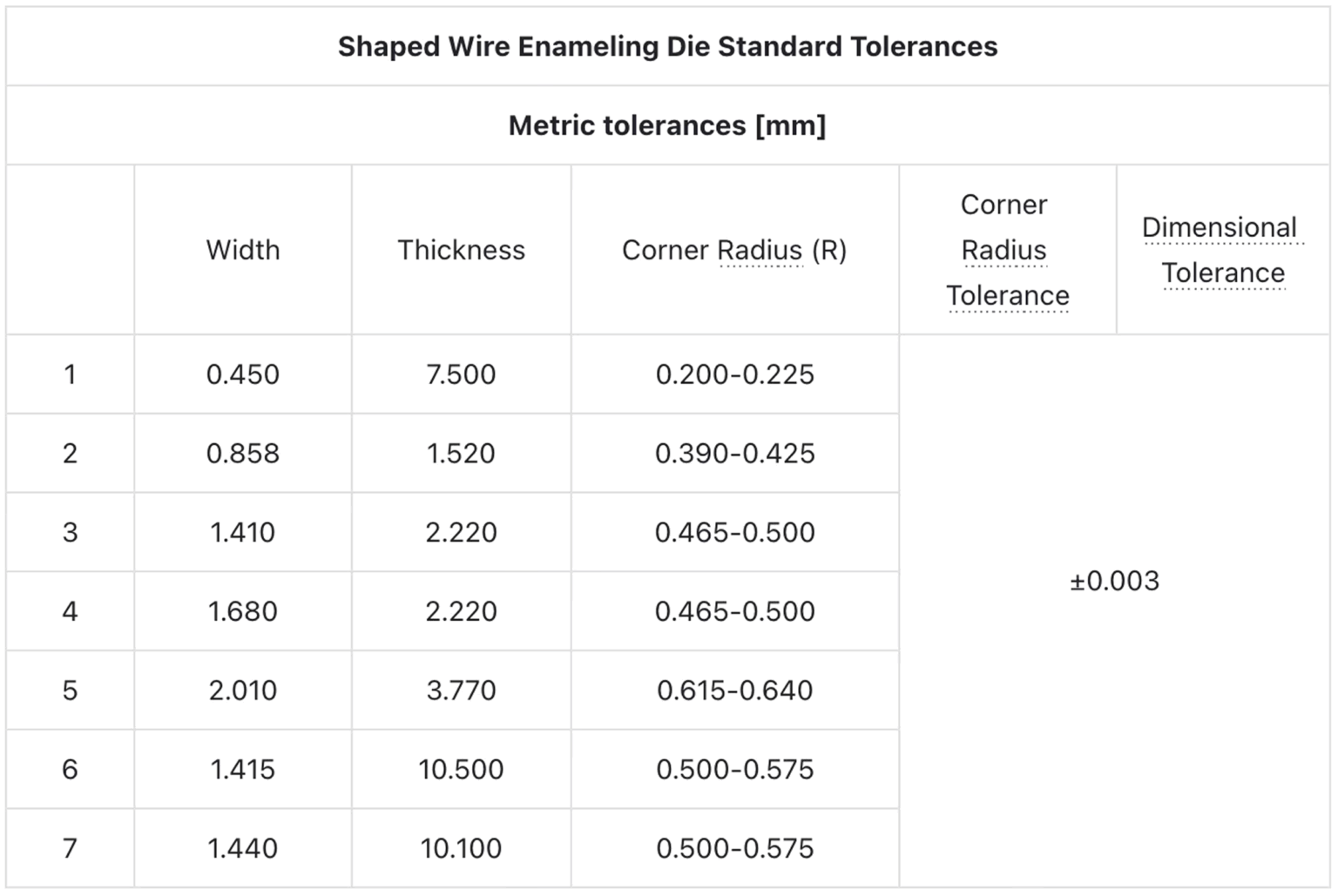
Why Shaped Wire Enameling Die is a Game Changer for Manufacturing

by Jane August 27, 2025

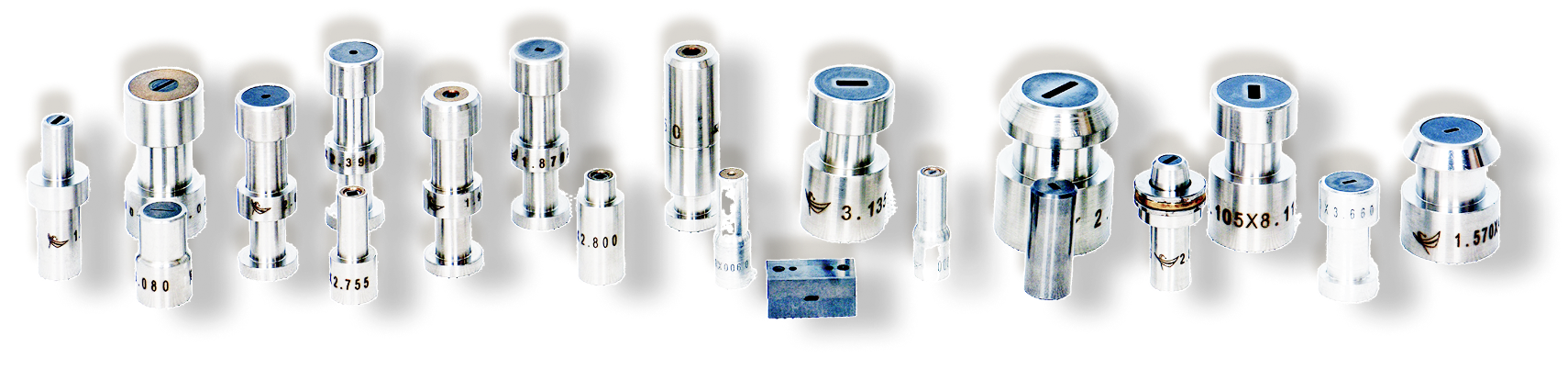
Picture dis—yuh inna di workshop, tryna create di perfect shaped wire, but it just nah work out right. Frustration build up like a spring tide. Dey say di key to success is di right tools, and dat’s why di shaped wire enameling die is essential. Dis die helps ensure yuh wire gets coated evenly and durably, helping yuh sidestep many common problems that keep holding yuh back from reaching optimal production results.

shaped wire enameling die

Flaws in Traditional Solutions

Now, let’s chat about di old school ways—dem traditional methods often lead to problems like uneven coating, and dat can mess up di integrity of di wire. A lotta folk try to save a dollar with cheaper options, but dem just end up wasting time and material inna di long run. Yuh end up with wires that can’t stand di test of time. But why stick to di traditional when new advancements ready to deliver better solutions?

New Tech Principles at Play

Take a step back, and look pon di innovations we have now; dis new tech simplifies di process tremendously. Di principle behind di shaped wire enameling die focuses on precision and consistency—this means yuh can expect di same quality every single time. It combines advanced engineering and materials to make sure every wire is done right way, reducing waste an’ increasing efficiency.

Quantified User Benefits

Yuh might be wonderin’, how does dis apply to me? Well, studies show businesses using di shaped wire enameling die report over 30% increase in production efficiency. Plus, di reduction in quality defects leads to less rework— saving time and money. Talk bout a win-win! Instead of fixin’ what’s broken, yuh can focus pon growth an’ innovation, which is what all of us want, right?

Actionable Evaluation Criteria

When yuh ready to make dat decision, remember to always verify these 3 metrics when choosing solutions: ① Durability—how long will it last? ② Efficiency—does it improve productivity? ③ Compatibility—will it fit into your existing systems? Keeping these in mind will surely guide yuh to make di best choice for your operations.

Lookin’ closely at di flat wire enameling die? Well, let me drop some knowledge on yuh! Dem flat wire enameling dies are key for manufacturers who aim for precision. Not only do they help achieve a smoother finish, but they also enhance di performance of di wire by ensuring dat it meets di standards needed for various applications. This technology ensures there’s less waste while enabling higher consistency in production, making it a worthy investment for anyone serious about quality.

shaped wire enameling die

You might also be interested in how effective enameling dies for shaped wire can be for your business. These dies are designed to cater to different wire specifications, ensuring that every coiled shape is properly coated. This efficiency in production not only optimizes time but also drastically enhances the productivity of your operations. With advances in die technology, manufacturers are now able to save costs while still delivering outstanding quality—there’s no way to overlook how critical dis tool has become in di production landscape.

In summary, the shifts in using a shaped wire enameling die or even looking into options like a flat wire enameling die can redefine your production process. Whether you’re considering enameling dies for shaped wire or scaling up your operation, be sure to look for reliability and efficiency. And I can’t help but recommend checking out Juxin. They provide exceptional manufacturing capabilities along with supply advantages which could make your production journey much smoother. So why not give them a try today?

August 27, 2025 0 comments
0 FacebookTwitterPinterestEmail
Business

Seven Sharp Insights to Win with Aluminium Bifold Doors: A Comparative Playbook

by Jane August 21, 2025

Introduction: Light, Flow, and Results

Own your space. Make it move the way you live. Aluminium bifold doors are how you unlock it. Picture a kitchen that opens to the garden on weekends, then seals tight on Monday morning for focus time—clean, simple, deliberate. Studies keep saying the same thing: good daylight raises comfort and cuts lighting load, often by a big chunk. With aluminium bifold glass doors, you get wide openings, slim frames, and a tidy stack. But here’s the rub: not all systems deliver smooth glide, tight seals, and safe thresholds. If the U-value is poor or the thermal break is weak, you feel it in drafts and bills. If roller carriages are basic, you feel it in your shoulder every time you push. So ask yourself: do you want a door that just looks open—or one that works open? (There’s a difference.) Let’s set the bar, then climb it.

Part 2: The Hidden Friction Behind the Shine

What trips users up?

Building on Part 1’s basics—clear goals, right opening size, sane budget—now we cut deeper into user pain. The common story goes like this: beautiful install, great first week, then micro-friction starts. Stiff action on cold mornings. Condensation along the track. A small trip at the threshold. Drafts near the jamb. Look, it’s simpler than you think. Most of these pains trace back to a few root issues: weak thermal break, loose weatherstripping, undersized roller carriages, or a threshold that doesn’t drain well. When the U-value is off and the low-E glass isn’t matched to your climate, you pay in comfort and energy. When multi-point locking isn’t set right, you lose even pressure on the seals—funny how that works, right?

Another hidden snag is the stack. If panels park too far into the room, you lose usable space. If they park outside without a robust sill drain, wind-driven rain can sneak in. Hardware tolerances also matter. If hinges or guides have slop, the system goes out of alignment under daily use. That’s when you start nudging instead of gliding. On coastal sites, saline air punishes cheap finishes; choose a proper powder-coated or anodized finish, or expect early wear. The lesson is technical but clear: details like thermal break continuity, compression seals, and sill drainage are not “extras.” They are the engine. Miss them and the door becomes a chore.

Part 3: Looking Ahead: Smarter Builds, Clearer Choices

What’s Next

Let’s shift gears to what’s working now and what’s next. In recent case work, a mid-terrace upgrade swapped a dated slider for a five-panel bifold. The comparative gain wasn’t just width; it was control. Laminated glazing with low-E coatings cut glare and noise, while the thermal break held steady winter comfort. CNC-milled tracks and sealed roller carriages kept motion smooth under load. A flush threshold looked sleek—then a hidden drainage channel did the real job when storms hit. Contractors reported fewer callbacks. The owner reported lower drafts and quicker room warm-up. And behind the scenes, the best aluminium bifold door factories are standardizing cycle-tested hardware and smarter gasket profiles. That means durable seals, tighter air infiltration ratings, and less seasonal “tuning.” Small parts, big payoff.

Near-future gains are practical, not sci-fi. Expect better sill designs that evacuate water faster, improved multi-point locking that equalizes seal pressure, and finishes that shrug off harsh climates. Expect clear data sheets too—cycle counts, wind load classes, verified U-values—so you can compare without guesswork. Here’s the advisory close-out you can use tomorrow: 1) Performance metrics: check U-value, air/water ratings, and glass spec for your zone; 2) Hardware integrity: look for roller load capacity, cycle testing, and hinge material; 3) Threshold safety and drainage: confirm slip resistance, drainage path, and install height for your site. Do this and you pick a door that opens wide and stays that way—no magic required. For builders, designers, and homeowners who want a clean win, keep these metrics on the front page of your plan, and keep the conversation honest with your supplier at every step—because that’s how spaces feel better, day after day. Bunniemen

August 21, 2025 0 comments
0 FacebookTwitterPinterestEmail
Business

Why Your Indoor Laser Lights Supplier Delivers More Than You Expect: A Comparative Insight

by Jane August 18, 2025

Introduction

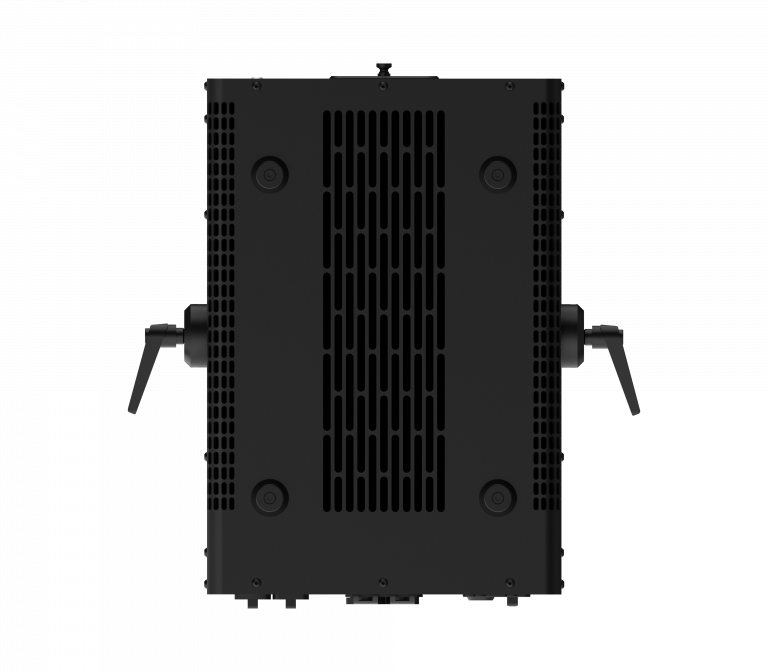
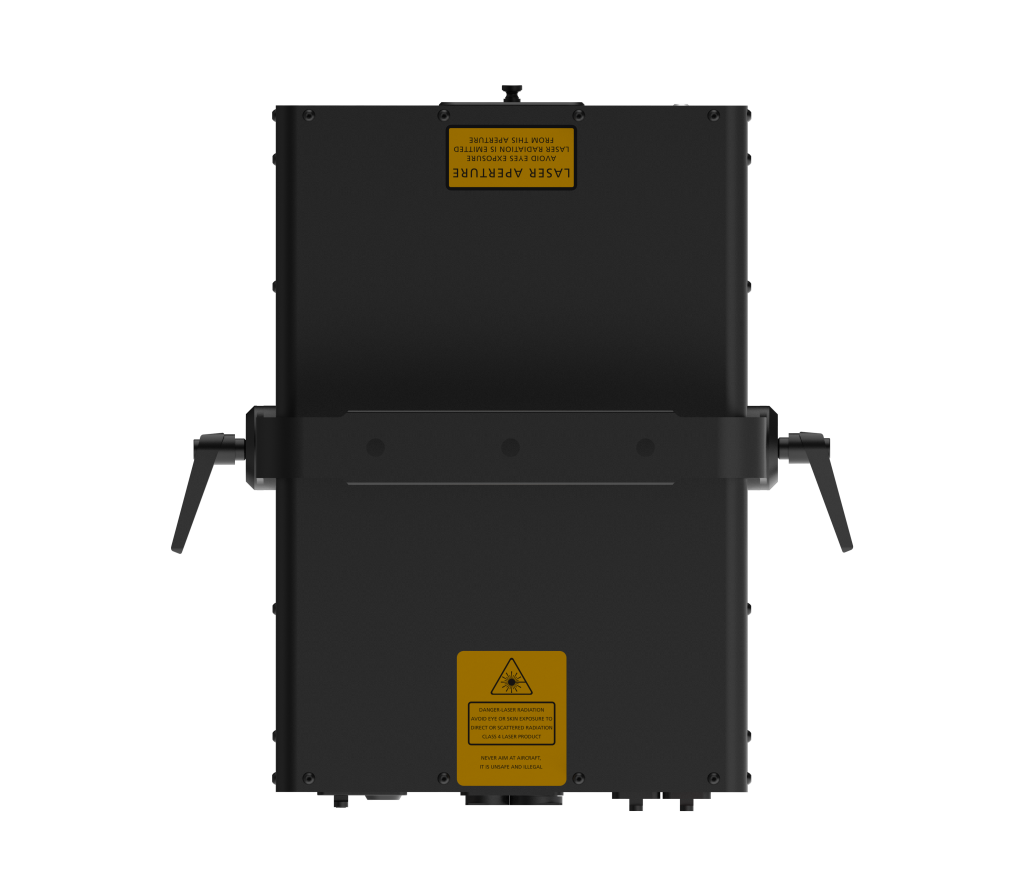
I walked into a hotel ballroom at 6 a.m., coffee in hand, and a crew already juggling cables. The indoor laser lights supplier was rolling in flight cases while the caterer tried to dodge a truss cart. In scenes like this, tiny choices change everything. A modern light show projector indoor can turn a rushed setup into a smooth run. Data from real installs says most failures come from wiring, heat, and rushed programming—not the lasers themselves. That’s wild, right? We think the “brand” is the magic. But the real edge is in how systems talk, cool, and stay stable under pressure. DMX512 is fine, yet timecode sync, scan speed, and beam divergence matter more when doors open. So here’s the question: are we blaming the show gear when the bottleneck is actually the system design and workflow (and sometimes the room)? Let’s move past the hype and check what really tips the balance—fast. On we go to the next layer.

indoor laser lights supplier

Behind the Glow: The Hidden Costs of Traditional Rigs

What’s slowing your build?

Let’s get technical for a minute. Traditional rigs often rely on long DMX512 chains, multiple power converters, and manual addressing. That means more points of failure. A light show projector indoor set with better optics and onboard networking cuts that chaos. Why? Fewer adapters, fewer hops, less latency. Older heads also push heat into the chassis without smart airflow. Fans run loud and hot. Heat sinks saturate. Galvanometer scanners drift as temperature rises. Then alignment slips and cues look soft. Beam divergence grows and the look loses punch. Add patching errors, and your first hour becomes triage instead of rehearsal—funny how that works, right?

Now the pain points you don’t see: firmware mismatches, noisy grounding, and EMI from cheap splitters. Even small things like PWM dimming curves and duty cycle limits change fade quality. If the optical path is dusty, output readings lie. If the case isn’t sealed, you chase haze residue later. And when control is DMX-only, you can’t monitor temperatures or fault states in real time. Edge computing nodes inside fixtures solve that by logging and adjusting on the fly. Look, it’s simpler than you think. With health data, you fix a thermal spike before a scan motor throttles. With networked timecode, you reduce human error. Less guesswork. More show.

indoor laser lights supplier

Next-Gen Principles: How Modern Systems Change the Equation

What’s Next

Forward-looking systems rethink the core. They use network protocols like Art-Net or sACN for multicast control, then add fixture brains to close the loop. Think FPGA-based timing, auto-calibration on boot, and predictive cooling that reads sensors and shifts fan curves. Some units shape beams with better optics to control divergence at source. Others protect components with smarter power converters and cleaner grounding paths. The result is stability at scale. When you spec indoor laser projector lights with onboard diagnostics, you see real numbers: scanner temperature, PSU load, and error logs—right on your console. That’s not a gimmick. It’s how you shorten setup and keep cues crisp—every night.

So, what should you measure when picking a partner and kit? First, latency and sync: look for sub-20 ms response from trigger to output, including network hops. Second, thermal stability: demand logs that show scanner temps stay within a tight delta across the show (and yes, that matters). Third, optical performance under load: stable beam size and color accuracy after long cues, not just at warm-up. If a supplier can prove these with data, you gain time, clarity, and fewer surprises. In short, the right workflow beats raw specs. The right support beats quick fixes. And the right supplier turns “rush” into routine. For many teams, that’s the quiet win behind the wow—delivered by partners like Showven Laser.

August 18, 2025 0 comments
0 FacebookTwitterPinterestEmail
  • 1
  • 2
  • 3
  • 4

Recent Posts

  • How LED Poster Displays Solve Growth Headaches for Small Businesses
  • How to Choose the Right Biuged Instruments for a Future-Ready Materials Lab
  • How Top TV Makers Actually Power Modern Consumer Electronics — A Comparative Take
  • How Low-VOC Spray Paint Fits Into a Modern Industrial Chemicals, Adhesives, and Aerosols Strategy
  • A Practical Primer to Grid-Forming Power Conversion Systems

Recent Comments

  1. Penci on Get Lost in the LA
  2. Penci on Weekend Coffee & Music
  3. Penci on Amazing Nature of Ireland
  4. Penci on Story of a Traveler
  5. Penci on Freedom under the Sun

About Me

About Me

Writer & Reader

Neque porro quisquam est, qui dolorem ipsum quia dolor sit amet, consectetur, adipisci velit, sed.

Keep in touch

Facebook Twitter Instagram Pinterest Tumblr Youtube Bloglovin Snapchat

Recent Posts

  • How LED Poster Displays Solve Growth Headaches for Small Businesses

    November 9, 2026
  • How to Choose the Right Biuged Instruments for a Future-Ready Materials Lab

    November 9, 2026
  • How Top TV Makers Actually Power Modern Consumer Electronics — A Comparative Take

    November 9, 2026
  • How Low-VOC Spray Paint Fits Into a Modern Industrial Chemicals, Adhesives, and Aerosols Strategy

    November 8, 2026
  • A Practical Primer to Grid-Forming Power Conversion Systems

    November 8, 2026

Categories

  • Business (164)
  • Featured (6)
  • Global Trade (144)
  • Industry (161)
  • Life (2)
  • Market (156)
  • Moments (7)
  • Nature (5)
  • Stories (6)
  • Tech (149)
  • Travel (5)

About me

banner
Soledad is the best selling Blog & Magazine WordPress Theme of this year on Themeforest.

Popular Posts

  • 1

    My Baby Cactus

    June 7, 2017
  • 2

    Writing New Life Chapter

    June 7, 2017
  • 3

    Green Corner in My Home

    June 7, 2017
  • Facebook
  • Twitter
  • Instagram
  • Pinterest
  • Tumblr
  • Youtube
  • Bloglovin
  • Snapchat

@2019 - All Right Reserved. Designed and Developed by PenciDesign


Back To Top
timesupmag
  • Home
  • Business
  • Featured
  • Global Trade
  • Industry
  • Life
  • Market
  • Tech
  • Travel