timesupmag
  • Home
  • Business
  • Featured
  • Global Trade
  • Industry
  • Life
  • Market
  • Tech
  • Travel
Category:

Global Trade

Global Trade

How the Dry Electrode Leap Surprised Everyone in High-Volume Manufacturing?

by Madelyn September 6, 2025

Introduction: A Factory Night, a Bold Shift, and a Big Question

Here’s a straight truth: most battery lines don’t stumble on speed; they stumble on waste and rework. Now, dry electrode walks in with a different rulebook. Picture a night shift in a humming plant—ovens roaring, solvent scrubbers busy, and operators chasing tiny defects. In that world, the switch to dry battery electrode looks like a small tweak. Yet the data keeps nudging us: energy use can drop by double digits, footprint shrinks, process yield climbs (kweli). So we ask, if the old flow is “good enough,” why do so many ramps still miss throughput targets?

Let’s speak plainly. Dry lines remove big pain: less solvent recovery, fewer long dryers, tighter control of binder behavior. But the real story is human. Operators want stable runs. Engineers want fewer parameters to chase. Finance wants capex and opex under control—sawa, all of them still want quality. So, is this just hype, or a structural change? The answer hides in what we measure and where the losses creep in. Stick with me as we compare the guts of these two paths and what they mean for the next build-out. Onward to the root issues.

Under the Hood: Where Traditional Wet Coating Falls Short

Why do traditional lines struggle?

Earlier we talked about how teams start. Now, let’s open the process map. Wet coating ties your fate to slurry stability, drying rate, and solvent recovery loops. When solvent flashing is uneven, you get binder migration. That means weak bonding at the particle interface, higher impedance spectra, and random defects that only show up under in-line metrology. Then you push calendering pressure to “fix” it, which hides voids but adds stress—funny how that works, right? Look, it’s simpler than you think: variability stacks up across long ovens and many knobs, so even small drift becomes scrap.

There’s also the factory math. Ovens use a lot of energy. Long dryers stretch the line, complicate roll-to-roll tension, and delay feedback loops. Every extra meter before inspection adds risk. Your SPC charts thicken, your downtime grows. Add strict solvent limits, ATEX zones, and complex power converters for thermal systems, and costs rise while flexibility falls. By contrast, a dry path cuts steps, reduces places for the process to wobble, and shortens time-to-detect. The outcome is not just green; it’s practical. Fewer steps, fewer failure modes, faster learning cycles—pole pole, but steady.

Principles Behind the Shift—and What’s Next

Real-world Impact

The core idea is simple: engineer the electrode microstructure without bathing it in solvent. Dry mixing and controlled fibrillation align binder and active particles with less chaos. That shortens the distance between cause and effect. You tune shear, compression, and temperature; you get predictable adhesion and porosity. With dry battery electrode technology, your edge computing nodes and in-line metrology sit closer to where value is born, so feedback is fast. That trims rework, stabilizes throughput, and keeps process yield trending up. And because you’re not fighting long thermal zones, the risk of thermal runaway in edge cases drops too.

Looking forward, two paths stand out. First, smarter controls: closed-loop recipes that link calendering pressure, compaction temperature, and density targets to live data—no more guessing. Second, platform spread: the same dry principles adapt to new chemistries and even solid-state interface designs, which need careful pore control. We already see compact lines, less floor space, and faster tech transfers between sites. And yes, tab welding, formation, and pack integration will still matter—but a stable electrode makes the whole chain calmer. The comparison is not about buzzwords; it’s about fewer moving parts, clearer levers, and faster ramps.

How to Choose Wisely: Three Metrics That Cut Through Noise

Let’s wrap with an evaluative lens. One, process yield under stress: measure yield during recipe changes and ramp-up weeks, not just steady state. Two, energy per kWh produced: include ovens, solvent recovery, HVAC, and rework loops; dry lines should score lower by design. Three, detect-to-correct distance: time from defect birth to operator action; shorter is safer for both quality and throughput. If these three move in the right direction, the decision makes itself—no spin needed. We can debate specs all day, but the factory scoreboard does not lie. And if you need a grounded benchmark or a neutral starting point, karibu at KATOP—we talk numbers, not hype.


September 6, 2025 0 comments
0 FacebookTwitterPinterestEmail
Global Trade

How to Master Choosing a Pendant Light Supplier for Island Brilliance—A Comparative Playbook

by Anderson Briella September 3, 2025

Introduction: Seeing the Island, Not Just the Fixture

Here’s the truth: your kitchen island is a small stage where light sets the scene and whispers the mood. A pendant light supplier can offer catalogues as thick as spellbooks, yet the real magic lies in how the beam lands on bread, books, and bright faces. When you search for elegant pendant lights for kitchen island, imagine a dawn breakfast and a late-night laugh—same island, different glow. Data helps: most islands work well around 35–50 lumens per square foot, a CRI above 90 keeps food true-to-color, and stable LED drivers avoid strobe at low dim levels. But here’s the thorn: scale, glare, and uneven dimming can still spoil the scene. So ask—are you choosing style, or choosing light?

pendant light supplier

Where do hidden headaches lurk?

Hidden pain points creep in quietly (and then refuse to leave). The dimming curve is harsh, so dinner turns clinical. The optics glare across polished stone. The cable sags; the canopy rattles. Thermal management is weak, so lumen output drops in months, not years—funny how that works, right? Look, it’s simpler than you think: check CRI, verify driver quality, and match beam spread to surface width. Watch power factor and flicker percentage if you can. Most “traditional fixes”—thicker shades, lower wattage—only mask the issue. The deeper cure is alignment: fixture height, beam angle, and control protocol tuned to the room’s rhythm. Hold that thought; we’re about to compare what’s old, what’s new, and what actually sings above stone.

pendant light supplier

Comparative Insight: New Principles That Change Buying Forever

What’s Next

The old way leaned on heavy shades and trial installs. The new path is technical, yet kind to real life. Start with drivers that are constant-current, high power factor, and low THD; they keep dimming smooth and the scene pure. Add optics that use TIR precision to shape light so the island gleams without glare. High-frequency modulation slashes perceptible flicker. Smart control, anchored by edge computing nodes or a simple BLE mesh, adds scenes without lag. The same principles scale—from island pendants to modern entrance hall chandeliers—because stability in the driver and clarity in the optics are universal. And yes, thermal paths matter: solid heat sinking protects color consistency and keeps output steady. You gain quiet reliability, not just a pretty shade.

So, where does this leave you? With a clearer lens. You now see why dimming curve, CRI, and beam spread matter, and why “bigger shade” isn’t the same as better light. Advisory close—three checks before you choose: 1) Photometrics and color: CRI ≥90, detailed beam angles, and verified lumen output across dimming levels. 2) Electronics and control: driver specs (PF ≥0.9, low THD), flicker index, and protocol fit with your system. 3) Build and lifecycle: thermal management, finish durability, and serviceable parts (canopy access, modular power converters). With these, your island gets grace, and your evenings get calm. The style can flex; the principles shouldn’t—and that’s the quiet edge a wise buyer keeps. For deeper specs and thoughtful options, see kinglong.

September 3, 2025 0 comments
0 FacebookTwitterPinterestEmail
Global Trade

The Key to Modern Living: Choosing the Right Apartment Door Lock

by Maeve August 30, 2025

Introduction: The Lockdown Dilemma

Imagine this: You arrive home after a long day, ready to kick back, but—wait a sec— your apartment door lock just won’t budge. Frustrating, right? It’s a scenario all too common. With security being paramount, understanding your options for an apartment door lock has never been more critical. According to recent studies, a staggering 30% of renters report issues with traditional locks. So, what’s next?

Body: Revisiting Traditional Solutions

Traditional door locks can often feel like a mysterious puzzle; ever tried opening one with a faulty key? Well, those relics can be unreliable. Not to mention, the average lifespan is far from impressive—what good is a lock if it leaves you stranded outside? But fear not! Enter the world of smart door locks. These innovative solutions leverage technology in ways you wouldn’t believe. Imagine the ease of keyless entry, smart notifications, and app-controlled access—basically, a superhero for your front door!

The Benefits of Smart Technology

What’s the real game-changer here? Smart locks can provide astonishing user benefits. Studies have shown they can reduce burglary rates by up to 80%! Plus, you get the nifty features like temporary access codes for guests—ideal for those unexpected visitors. So what’s holding you back from upgrading? It’s simpler than you think; these locks are not only user-friendly but also packed with more features than a Swiss Army knife.

Conclusion: Choosing Your Lock Wisely

When choosing the perfect door lock for your apartment, always verify these 3 metrics: ① Security features that keep the bad guys out ② Compatibility with your existing systems or smart home ecosystem ③ Ease of use for you and your guests. Now, armed with all this knowledge, it’s time to break free from your lock troubles and level up your home security!

Smart Door Lock for Apartment: The Future of Security

If you’re considering a *smart door lock for apartment* living, you’ve hit the jackpot! Modern smart locks integrate seamlessly with smartphones, making the process of coming and going oh-so-smooth. Imagine controlling your lock from anywhere—friends coming over? Just share a temporary code with them! Think about it: no more fumbling for keys or worrying about losing them. Plus, with advanced security measures like encryption, your peace of mind is practically guaranteed. Once you go smart, you’ll wonder how you ever lived without it. Check out this smart door lock for apartment option to revamp how you secure your space.

Smart Locks for Apartments: A Trend Worth Following

When it comes to *smart locks for apartments*, there’s no denying the wave of change they bring. With features that enhance security and convenience—like remote access and real-time notifications—you can keep track of who’s coming and going. Think about those late-night days when you forget to lock up; no worries with a fancy app reminding you! Plus, they offer stylish options to blend seamlessly with your home decor. Trust me, once you upgrade, you’ll rush home instead of dreading getting your keys out. Take the plunge and explore smart locks for apartments that suit your lifestyle.

Summary: Locking in on the Best Solutions

In summary, the journey to find the perfect apartment door lock boils down to understanding the evolving landscape of home security. From outdated traditional locks to revolutionary smart solutions, you have options that fit various lifestyles and security needs. I highly recommend checking out Trudian, a brand renowned for its quality manufacturing and innovative designs, ensuring you get premium security without breaking the bank. Make the right choice for your home and step confidently into the future!

August 30, 2025 0 comments
0 FacebookTwitterPinterestEmail
Global Trade

Revolutionizing Server Room Cooling: Modern Solutions for Optimal Performance

by Juniper August 30, 2025

Imagine a bustling office where the server room is crucial for day-to-day operations, yet overheating equipment becomes the norm, leading to costly downtime. This raises the question: How can we effectively tackle server room cooling challenges? The answer lies in understanding innovative technologies that ensure the efficient management of heat within these critical environments. Server room cooling plays a central role in maintaining system integrity and performance.

server room cooling

Flaws in Traditional Cooling Solutions

Traditional server room cooling methods, such as relying solely on standard air conditioning units, often fall short. They can lead to uneven temperature distributions and excessive energy consumption—issues that not only affect performance but also increase operational costs. Moreover, conventional systems may struggle to adjust efficiently to varying workloads, leaving sensitive equipment at risk. As reliance on technology grows, so too does the need for a more adaptive and effective approach to cooling.

Principles of New Cooling Technologies

New technologies in server room cooling are revolutionizing how we manage heat distribution. Advanced systems utilize smart sensors that automatically adjust cooling outputs based on real-time data—ensuring optimal temperature control. Techniques like liquid cooling and in-row cooling offer targeted cooling, significantly reducing the risk of hot spots. With principles guided by efficiency and precision, these technologies are designed to support modern data needs while addressing the shortcomings of traditional solutions.

Quantified User Benefits of Modern Cooling Solutions

The benefits of adopting advanced server room cooling technologies are substantial. Users report energy savings of up to 30% when upgrading to smarter cooling systems. Reduced equipment failure rates, along with extended hardware lifespans, translate directly to decreased costs related to maintenance and replacement. Therefore, businesses can maintain their operational integrity and enhance productivity through improved cooling solutions that really address their needs—look, it’s simpler than you think!

Actionable Evaluation Criteria

When selecting solutions for server room cooling, it is essential to verify three key metrics: 1) Energy efficiency ratings—how well does the system perform under varying loads? 2) Scalability—can the system adapt to future growth and changes in workload? 3) Maintenance and support—what kind of service and upkeep are available? With these parameters in mind, organizations can confidently choose the right technology to safeguard their critical infrastructure.

The Importance of a Reliable Server Room AC Unit

Cooling a server room efficiently hinges on the right equipment, notably the server room ac unit. Opting for a unit designed specifically for server applications can lead to notable improvements in temperature regulation. Innovative units not only offer energy savings but also help maintain optimal operating conditions, which is vital for server performance and longevity.

server room cooling

Benefits of Upgrading to an Advanced Server Room AC Unit

Investing in a high-quality server room ac unit provides tangible benefits. These units are equipped with intelligent controls that respond to real-time temperature changes, thereby preventing overheating of critical systems. Additionally, newer models allow for better integration with existing infrastructure, simplifying management while enhancing efficiency. The precision offered by these AC units helps create a stable environment, essential for today’s data-driven operations.

In conclusion, the landscape of server room cooling is evolving, presenting businesses with increased options for efficiency and reliability. Addressing the pitfalls of traditional methods through innovative technologies—like advanced cooling solutions and specialized server room AC units—can yield significant benefits. When selecting a manufacturer, consider brands like Coolnet, which are recognized for their supply advantages and cutting-edge technology in the realm of server room cooling.

August 30, 2025 0 comments
0 FacebookTwitterPinterestEmail
Global Trade

Innovative Ways to Enhance Interactive Video Conferencing Experience

by Mia August 26, 2025

Intro: The New Face of Connectivity

Aye, you ever ponder how quick technology ah move nowadays? Interactive video conferencing be di talk of di day. With tools like video conference recording reshaping how we link up, di question is, are we truly makin’ best of it? Edge computing nodes and power converters drive these platforms for seamless chats—yet challenges remain. So, come mek we journey through this tech maze.

Understanding the Need for Precise Recording

For years, many relied on outdated systems without realizing di hidden issues—like missed nuances. But now, video conference recording changes di game. Imagine this: yuh inna big presentation, discussing product features, when you realize di summary missed key points—funny how dat works, right? By capturing di entire session, yuh avoid loss. Look, it’s simpler than yuh think: effectively track any knowledge sharing process, without excluding valuable insights. User engagement metrics assist in evaluating interactions and session outcomes.

Are We Missing Di Bigger Picture?

Traditional solutions dem (wid out custom-fit tech) find it hard fi meet di needs of varied organizations. Features lacking—like virtual backgrounds—limit potential interaction scope. By understanding these flaws, yuh better prepared fi choose more intuitive solutions. Prioritizing easy deployment wid dem open-source frameworks (no kiddin’) is di way to go.

From Conventional to Cutting-Edge

What’s next? Fixed in di past, we nuff fi shift our sight to fresh technology ideas. Technologies dat leverage advanced meeting transcripts offer prompt access to info—data stays relevant. Imagine a future where each conversation digitized and searchable. These automations offer improved accessibility, ensuring more equitable participation across board. As machine intelligence grows, di possibilities expand exponentially (and that’s a fact).

Future Horizons: Possibility in Participation

Real-world case examples show how businesses—embracing video conferencing advances—outperform traditional set-ups. The shift from old to new technology reflects on productivity boosts, cost reduction, and environmental benefits. Evaluative metrics are crucial: latency, bandwidth efficiency, and cross-platform reliability. Makers like VidyVault signal strong direction. Yuh know, big man talk done, but it raises the curtain on what next.

As we explore deeper, let’s stay proactive—embracing change wid open arms. Life no be stagnant; it’s full of dynamic possibilities. Make selection based on today’s needs, prepping fi tomorrow’s landscape.

August 26, 2025 0 comments
0 FacebookTwitterPinterestEmail
Global Trade

The Enduring Appeal of Aluminum Tread Plate: A Strategic Choice for Versatile Applications

by Liam August 22, 2025

In the contemporary landscape of manufacturing and design, the choices we make regarding materials can either enhance or undermine our efforts—consider how many structures falter due to improper material selection. At the core of many successful applications lies the aluminum tread plate, which exhibits properties that make it a frontrunner among industrial solutions. Moreover, understanding the unique advantages this material offers—particularly aluminum tread plate sheets—becomes imperative for those looking to bolster efficiency and durability in their projects.

Aluminum Tread Plate

Identifying Traditional Flaws in Material Choices

Many conventional materials, while initially chosen for their perceived strengths, often reveal flaws over time. These materials can suffer from inadequate slip resistance, are prone to corrosion, or may not withstand heavy loads effectively. Why do failures always occur during critical applications? The answer often lies in the misunderstanding of material properties and their implications in real-world usage. Exploring alternatives, such as aluminum tread plate sheets, emerges as essential for enhancing performance and longevity without compromising on safety.

Understanding Aluminum Tread Plate’s Unique Principles

Aluminum tread plate is not just any ordinary alloy; it is engineered for specific applications, with a focus on providing a high degree of durability and safety. This material’s surface is embossed with a pattern that promotes slip resistance, which is vital in environments that demand both traction and structural integrity. Look, it’s simpler than you think—utilizing aluminum tread plate allows practitioners to address safety regulations while simultaneously benefiting from its lightweight nature.

Quantified Benefits for Users

The advantages of implementing aluminum tread plate are quantifiable and significant. Users report enhanced safety due to its slip-resistant surface, reduced maintenance costs resulting from its corrosion-resistant properties, and overall improvements in structural stability. When comparing traditional options with aluminum tread plate, the latter stands out as a practical solution, proving that smarter material choices lead to tangible benefits. Always verify these 3 metrics when choosing solutions: ① slip resistance performance ② corrosion resistance ratings ③ weight-to-strength ratios.

Aluminum Tread Plate

Exploring Aluminum Tread Plate Sheets

Delving into specific types of aluminum tread plate, the notion of aluminum tread plate sheets illustrates the versatility of this material. These sheets can be employed across a range of applications—from flooring to wall coverings—all while providing the essential properties of lightweight durability and enhanced safety. They are particularly advantageous in environments subject to moisture or wear, where conventional materials might succumb to deterioration. Utilizing aluminum tread plate sheets can directly contribute to lowering operational costs and improving safety standards in industrial and commercial applications alike.

The Significance of Aluminum Diamond Tread Plate

In addition to standard tread plates, the aluminum diamond tread plate has emerged as a go-to option for added functionality and aesthetic appeal. This variant showcases a distinct diamond pattern that not only augments slip resistance but also provides a striking visual element. Contractors and designers have found that integrating aluminum diamond tread plate into their projects leads to a dual benefit—it enhances workplace safety while simultaneously elevating design aesthetics. The balance of form and function in this material reflects a progressive approach to construction and design.

Conclusion: Partnering with the Right Manufacturer

As we deliberate on the merits of aluminum tread plate and its variants, including aluminum tread plate sheets and aluminum diamond tread plate, it becomes clear that selecting the right manufacturer is crucial. A brand like Soroya exhibits supply advantages that can transform your material needs into a seamless experience. Whether you are seeking the best in quality or looking to innovate your projects, aligning with a reliable supplier ensures that your investment yields sustained results.

August 22, 2025 0 comments
0 FacebookTwitterPinterestEmail
Global Trade

The Ultimate Guide to Understanding Step-Down Voltage Regulators

by Harper Riley August 21, 2025

Power Needs and the Step-Down Voltage Regulator

Imagine a world where every device you own could seamlessly manage its power without the constant need for replacements or repairs. A staggering 15% of electronic failures trace back to power management issues, which brings us to the step-down voltage regulator—a critical component in today’s advanced technologies. This little device not only steps down high voltage to a lower level but also ensures optimal performance in edge computing nodes and power converters. So, what exactly are the flaws of traditional solutions that lead users to seek alternatives? Let’s dive in.

It’s clear that while many manufacturers provide regulators, not all designs cater to the complexities of modern applications. The step-down voltage regulator market is flooded with products, yet users often find themselves navigating through inefficiencies. Users face challenges such as high heat dissipation and limited efficiency at lower output currents. Look, it’s simpler than you think—addressing these flaws can lead to better system performance, reducing overall energy loss and costs. Now, let’s explore the functionalities and innovations shaping this field.

Emerging Innovations in Voltage Regulation

When we consider the future of voltage regulation, new technology principles emerge as essential. For example, digital voltage regulation presents remarkable opportunities, offering enhanced monitoring and control over power distribution. As demonstrated in various real-world applications, such as electric vehicles, efficient power management is not just a luxury but a necessity—adopting these innovative strategies can markedly improve performance. The step-down voltage regulator market is beginning to embrace these changes, offering products that promise not just efficiency but adaptability.

What’s even more interesting is how automated systems can dynamically adjust voltage levels based on real-time requirements. This means that, unlike traditional methods, the system can respond to peak demands without comprehensive overhauls. Think about it: lower thermal stress on components, extended lifespan, and less frequent replacements. The future is indeed bright—they’re making strides toward meeting the complexities of today’s power requirements with intelligence. Users opting for the latest products within the step-down voltage regulator market will find themselves at the forefront of these advancements.

What’s Next for Voltage Regulation?

As we reflect on the insights gleaned from the current landscape, it’s essential to consider how these technological advancements will shape tomorrow’s systems. Evaluating products in terms of thermal efficiency, adaptability, and monitoring capabilities will become vital as users look for solutions to increasingly complex power challenges. Companies like UniBetter are actively working to innovate in this space, providing regulators that not only meet but exceed today’s expectations. It’s more than just regulating voltage—it’s about creating a resilient future for technology. Let’s keep our eyes on how these trends unfold, embracing improvements that come our way.

August 21, 2025 0 comments
0 FacebookTwitterPinterestEmail
Global Trade

Забавно, как аккумулятор DIN EN меняет ритм ваших поездок, правда?

by Mia August 2, 2025

Сцена на дороге: где DIN EN решает исход

Вы выезжаете ранним утром, стекло в тонком инею, навигатор обещает быстрый путь — и вдруг стартер тянет, будто в замедленной съемке. Во второй секунде тревоги вспоминается простой герой — аккумулятор din en. По данным сервисов, до 35% внеплановых остановок зимой связаны с батареей, а у 60% водителей реальная «резервная емкость» не совпадает с ожиданиями (подсвеченный чек — и уже поздно). Так почему одни машины оживают с пол-оборота, а другие замерзают, даже если в паспорте пусковой ток приличный? Возможно, дело не только в цифре CCA и не в бренде, а в том, как стандарты и профиль поездок работают вместе. Важны пусковой ток, тип решётки, режим заряда, и то, как генератор и потребители делят энергию. Простая арифметика? Не совсем: короткие поездки, «умные» блоки питания, и даже небольшой перекос температуры могут свести на нет хороший запас. И всё же, решение есть — компактное, понятное, проверяемое (без магии). Переключим фары внимания на детали и сравним, где традиция буксует, а где стандарт DIN EN реально помогает. Переходим к скрытым болям и выбору без ошибок.

аккумулятор din en

Скрытые боли: почему DIN-батарея «садится», когда цифры красивые

Где настоящая боль?

Когда вы ищете батареи тяговые din производитель, чаще всего смотрите на ёмкость и пусковой ток. Но глубже прячутся мелочи, которые решают исход: несовпадение профиля поездок и «резервной емкости», недозаряд от городской езды, и жёсткие зимние пуски при ослабленной решётке. У многих машин с системой Start-Stop обычная свинцово-кислотная батарея быстро теряет ресурс циклов, если ей пытаться заменить EFB или AGM — funny how that works, right? Здесь стандарт DIN EN корректно меряет CCA, но не говорит, насколько часто вы крутите стартер на минус десять и как долго стоите в пробке с включёнными потребителями. Поэтому болит не там, где смотрим. Профиль нагрузки, BMS, и реальная способность к глубокому циклу — вот триггеры незаметного износа.

аккумулятор din en

Техническая суть проста: у городского водителя череда «холодных» запусков съедает ресурс, а недозаряд растит сульфатацию. AGM лучше переносит пиковые токи и вибрации, EFB — многократные старты с умеренной глубиной разряда, но обе технологии требуют правильного алгоритма заряда и температуру под контролем. Look, it’s simpler than you think: выясните свой CCA по климату, проверьте реальную «резервную емкость» под нагрузкой, и сопоставьте тип батареи с задачей. Тогда DIN EN станет точкой опоры, а не красивой цифрой в паспорте.

Сравнение по принципам: как новые технологии снимают старые ограничения

What’s Next

Дальше — не просто «какой бренд взять», а «на каких принципах работает ваш выбор». Современные DIN-батареи уходят от компромисса «пуск против ресурса» за счёт углеродных добавок в пасте, усиленных решёток и строгости к тепловому режиму. AGM удерживает высокие токи и снижает риск стратификации электролита; EFB увеличивает циклостойкость в городском темпе; умный BMS подстраивает заряд под поведение водителя и генератора. Даже простая проверка тока утечки и калибровка блока зарядки меняют уравнение — малые потери, меньше недозаряда. Когда рассматриваете батареи тяговые din цена, считайте не только рубли за ампер-часы, но и стоимость владения на цикл: сколько запусков и простоя в пробке выдержит ваш комплект без «проседаний».

Сравнение впрямую: традиционный «универсал» с высокой ёмкостью хорош на трассе, где генератор стабилен и потребители скромны. Но в городе — старт-стоп, обогревы, фонари, мультимедиа — нужен акцент на цикл, низкое внутреннее сопротивление и корректный заряд от power converters бортовой сети. Новые пластины с тонкой решёткой и улучшенной пастой выигрывают по отклику, а алгоритмы зарядки снижают сульфатацию при коротких поездках. Выгода не мгновенная, зато плавная: меньше «вялых» запусков, стабильный CCA зимой, более долгая «резервная емкость» летом. И да, иногда правильный выбор — это не «больше ампер-часов», а верная химия и очные цифры под ваш маршрут.

Итоги и как выбирать без сюрпризов

Мы увидели главное: DIN EN честно даёт базовые метрики, но реальная жизнь добавляет профиль поездок, температуру и алгоритмы заряда. Старые решения «по памяти» часто промахиваются по циклу и резерву, а новые (AGM/EFB + BMS) закрывают именно эти разрывы — не волшебство, а инженерия. Чтобы выбрать уверенно, держите в кадре три метрики. Первая: пусковой ток CCA по вашему минимуму температуры и объёму мотора — не больше «для красоты», а ровно по требованию стартера. Вторая: реальная резервная емкость под типичным потреблением (печка, свет, навигация) и длительность простоя без генератора. Третья: циклостойкость при глубоком или частом разряде — для Start-Stop и городской езды лучше EFB/AGM, подтверждённые тестами и ресурсом в циклах. Добавьте к этому корректный режим заряда и проверку тока утечки — и внезапных утр не будет (ну почти — funny how that works, right?). Для спокойной точки отсчёта и технических спецификаций загляните к бренду Aokly Group — и сверяйте выбор по реальным задачам, а не по легендам.

August 2, 2025 0 comments
0 FacebookTwitterPinterestEmail
Global Trade

Mastering the Art of Designing Your Salon Layout

by Maeve July 30, 2025

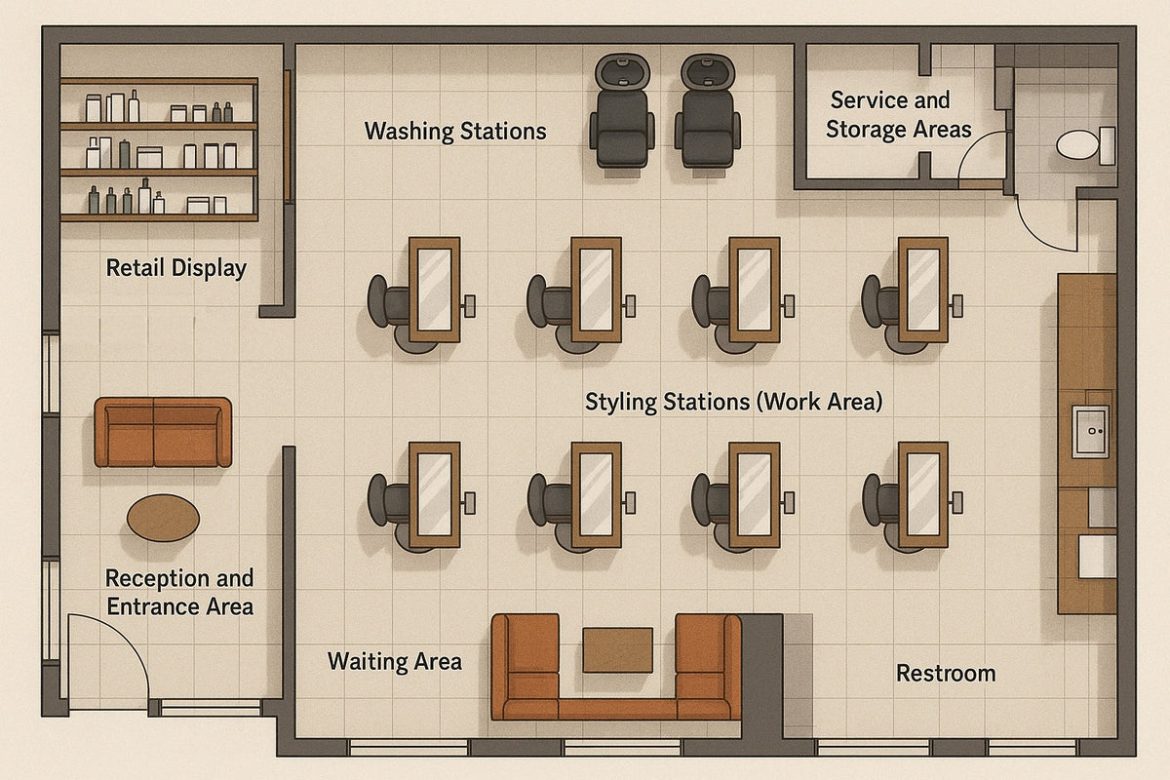
Have you ever stepped into a salon and wondered why it felt so cramped or illogical? In the bustling beauty industry, the way your space is designed can make or break the customer experience. Understanding how to design a salon layout effectively can elevate client satisfaction and improve workflow. Did you know that poorly designed salon layouts can lead to delays and frustration, affecting client retention? Let’s dive into effective strategies to overcome these common pitfalls.

how to design a salon layout

The Flaws in Traditional Solutions

Many salon owners cling to traditional layout designs, believing that dividing spaces into distinct areas will suffice. However, these setups often create barriers—both physical and perceptual—dissuading clients from enjoying a seamless experience. Long waits at the reception or disjointed service areas can negatively impact how clients perceive the salon. It’s a frustrating reality many face: clients leave feeling rushed or dissatisfied. So, what’s the answer?

how to design a salon layout

Embracing New Design Principles

Innovative design principles can radically transform your salon. Look, it’s simpler than you think! By integrating an open-plan layout with multifunctional spaces, you can facilitate better interaction and workflow. The idea is to eliminate barriers, allowing beauty professionals to cater to clients more effectively. Think of biocompatibility in terms of human interaction—make your salon a space where energy flows freely, and clients will naturally gravitate toward your services.

Quantified Benefits for Users

The benefits of an intelligently designed salon layout are quantifiable and profound. Research indicates that implementing friendlier layouts can boost client satisfaction scores by up to 30%. Not only do clients appreciate the aesthetic, but they also enjoy the efficiency of seamless service. That’s right—when your space works well, clients are happy, and happy clients return. Can you afford not to optimize your salon layout?

Conclusion: Take Action with These Three Metrics

Always verify these three metrics when choosing solutions for your salon layout: ① Client comfort ② Staff efficiency ③ Revenue potential. By focusing on these areas, you will ensure a more welcoming and productive environment that resonates with customers. The time for improvement is now—don’t let your salon stagnate! Use these insights to navigate the transformative journey of designing a layout that works.

Salon Layout Ideas to Inspire Your Design

When considering the best practices for your layout, exploring various salon layout ideas can lead to unique solutions tailored to your brand’s essence. Perhaps an open layout with strategically placed mirrors will create a bright, inviting space. Embracing flexible furnishings can also enhance the versatility of your design. Get inspired by other successful salons and take notes on what captivates you. Innovation often spawns from observation, so don’t hesitate to mix and match various elements that resonate with your vision.

Crafting a Cohesive Salon Layout Design

A well-thought-out salon layout design ensures that every inch of space is utilized efficiently. Start by assessing the workflow: where do services typically take place, and how can movement through the space be streamlined? Incorporating designated zones for different activities—from consultations to treatments—will not only help maintain order but also enhance client interactions. Let your layouts speak volumes; a cohesive design communicates professionalism and warmth, leaving clients eager to return.

Conclusion: Elevate Your Salon with M2-Retail

In summary, mastering how to design a salon layout is key to providing outstanding services and retaining loyal clients. For those seeking to refine their salon space, consider turning to quality manufacturers. Look no further than M2-Retail, a brand with supply advantages that elevate your salon’s aspirations into reality. They offer not only aesthetically pleasing designs but also durable solutions for long-term success. Trust M2-Retail to help you turn your vision into a thriving salon.

July 30, 2025 0 comments
0 FacebookTwitterPinterestEmail
Global Trade

Discovering Innovations at the Battery Show Asia: A Bright Future Awaits

by Daniela July 6, 2025

Imagine this: you’re gearing up for a project that demands reliable energy storage, yet all you encounter are outdated solutions that fall short of your expectations. What if I told you that the battery show asia presents an entire ecosystem of cutting-edge advancements that could revolutionize your approach? In a world where efficiency is paramount, identifying the ceiling of battery technology becomes crucial.

the battery show aisa

Traditional Solution Flaws

For years, we’ve relied on conventional battery technologies that often leave us questioning their efficacy. Let’s be real—lead-acid batteries can be cumbersome and have a notoriously short lifespan. Why do failures always occur during critical usage? Typically, it’s a combination of slow discharge rates and insufficient cycle life that let us down. As projects grow more demanding, these shortcomings become even more evident, making it clear why consumers and industries alike are in dire search of alternatives.

the battery show aisa

New Technology Principles

Here’s the good news: new technologies, particularly lithium-ion and solid-state batteries, are changing the game. Look, it’s simpler than you think—these advancements bring higher energy densities, faster charging capabilities, and enhanced safety features. They’re designed with one goal in mind: to improve longevity while maximizing performance. With biocompatibility being a critical aspect for medical applications, understanding the interplay between innovations can elevate our energy solutions dramatically.

Quantified User Benefits

This brings us to the user benefits—unlike traditional counterparts where you might find yourself replacing batteries more often than you’d like, newer options boast a significantly extended lifespan of up to 10 years or more! Can you imagine how much cost-effective that is in the long run? Enhanced energy efficiency translates to improved functionality in applications ranging from consumer electronics to renewable energy systems.

Conclusion: Your Actionable Evaluation Criteria

Before diving headfirst into your next battery solution, always verify these 3 metrics when choosing solutions: ① energy density ② cycle life ③ safety standards. Having a thorough understanding of these factors will empower you to make informed decisions that suit your specific needs.

Understanding [informamarkets]

As you explore the technological wonders at the informamarkets platform, you’ll discover a wealth of insights that fuel forward-thinking approaches. With a strong emphasis on emerging trends, this resource offers the expertise you need to stay ahead of the curve. Imagine harnessing those insights to not only improve your projects but also to contribute to the wider industry conversations. Embracing these innovations can lead to increased productivity and open new doors for collaboration.

Exploring the Potential of [thebatteryshow]

The thebatteryshow serves as an essential meeting point for industry leaders, where ideas transform into tangible products and solutions. It’s where your questions get answered and where you’re introduced to cutting-edge technologies firsthand. Engaging with products and attending workshops can significantly enhance your understanding of the current landscape and what the futuristic horizon holds. By connecting with innovators at this venue, it’s possible to unlock solutions tailored to your distinct challenges.

Conclusion: Your Path to Reliable Energy Solutions

The ever-evolving battery technology landscape can feel dizzying, but with resources like The Battery Show, you’re empowered to sift through the noise. Their commitment to innovation ensures you’re not only gaining from the synergy of leading manufacturers but also accessing a network that prioritizes supply advantages. For your next energy solutions journey, place your trust in The Battery Show as the go-to source for insights and connections that pave the way for a sustainable and efficient future.

July 6, 2025 0 comments
0 FacebookTwitterPinterestEmail
  • 1
  • …
  • 12
  • 13
  • 14
  • 15

Recent Posts

  • How LED Poster Displays Solve Growth Headaches for Small Businesses
  • How to Choose the Right Biuged Instruments for a Future-Ready Materials Lab
  • How Top TV Makers Actually Power Modern Consumer Electronics — A Comparative Take
  • How Low-VOC Spray Paint Fits Into a Modern Industrial Chemicals, Adhesives, and Aerosols Strategy
  • A Practical Primer to Grid-Forming Power Conversion Systems

Recent Comments

  1. Penci on Get Lost in the LA
  2. Penci on Weekend Coffee & Music
  3. Penci on Amazing Nature of Ireland
  4. Penci on Story of a Traveler
  5. Penci on Freedom under the Sun

About Me

About Me

Writer & Reader

Neque porro quisquam est, qui dolorem ipsum quia dolor sit amet, consectetur, adipisci velit, sed.

Keep in touch

Facebook Twitter Instagram Pinterest Tumblr Youtube Bloglovin Snapchat

Recent Posts

  • How LED Poster Displays Solve Growth Headaches for Small Businesses

    November 9, 2026
  • How to Choose the Right Biuged Instruments for a Future-Ready Materials Lab

    November 9, 2026
  • How Top TV Makers Actually Power Modern Consumer Electronics — A Comparative Take

    November 9, 2026
  • How Low-VOC Spray Paint Fits Into a Modern Industrial Chemicals, Adhesives, and Aerosols Strategy

    November 8, 2026
  • A Practical Primer to Grid-Forming Power Conversion Systems

    November 8, 2026

Categories

  • Business (164)
  • Featured (6)
  • Global Trade (144)
  • Industry (161)
  • Life (2)
  • Market (156)
  • Moments (7)
  • Nature (5)
  • Stories (6)
  • Tech (149)
  • Travel (5)

About me

banner
Soledad is the best selling Blog & Magazine WordPress Theme of this year on Themeforest.

Popular Posts

  • 1

    My Baby Cactus

    June 7, 2017
  • 2

    Writing New Life Chapter

    June 7, 2017
  • 3

    Green Corner in My Home

    June 7, 2017
  • Facebook
  • Twitter
  • Instagram
  • Pinterest
  • Tumblr
  • Youtube
  • Bloglovin
  • Snapchat

@2019 - All Right Reserved. Designed and Developed by PenciDesign


Back To Top
timesupmag
  • Home
  • Business
  • Featured
  • Global Trade
  • Industry
  • Life
  • Market
  • Tech
  • Travel