
The immediate problem
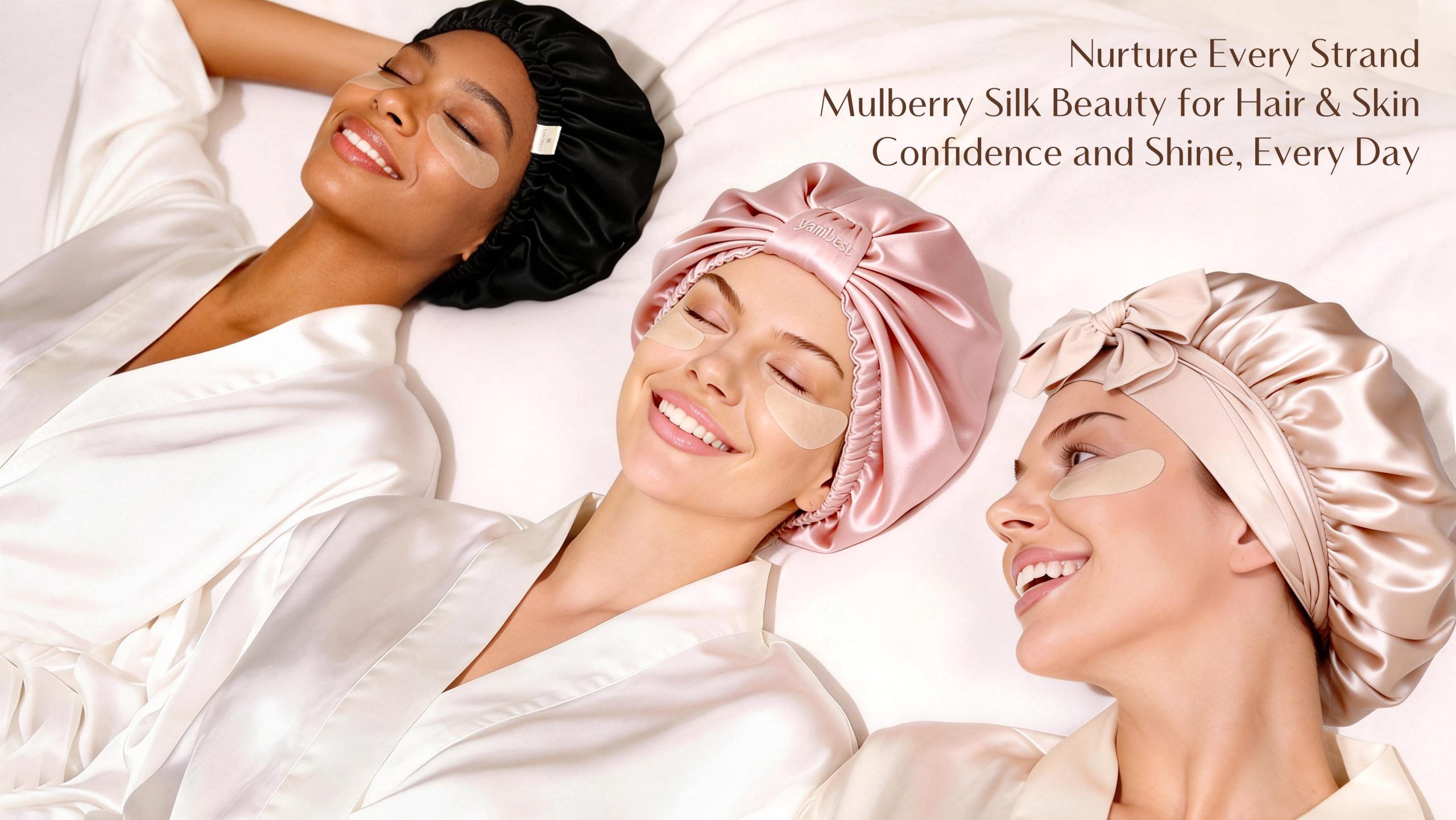
You want warmth without wrecking your hair. The common failures are breakage, static, flattened styles, and scalp dryness that show up by midwinter. That’s why a satin lined beanie is often recommended: it reduces friction and preserves moisture. I’ve field-tested designs in Minneapolis winters with a winter beanie hat, and the core issue repeats—material interface and fit cause most damage, not the cold itself.

What’s happening at the fiber level
Friction between a rough lining and the hair cuticle tears at weakened fibers. Static builds when humidity drops and synthetics rub against hair, lifting the cuticle and creating breakage. Heat trapped against the scalp aggravates sebum migration and leaves strands fragile at the crown. Silk or satin lining alters the interface: lower coefficient of friction, less mechanical stress, and reduced static generation. Think of it as replacing a coarse brush with a glide surface.
Practical fixes that actually work
Start with lining choice: smooth silk or high-quality satin for the inside. Size matters—choose a slightly looser fit to cut shear at the edges and avoid tight elastics at the nape. Prep hair: detangle gently, apply a thin leave-in oil or serum to smooth cuticles, and consider a low-tension bun or braid rather than a tight pony. Rotate beanies so one garment doesn’t take all the wear. Wash linings per label—silk needs gentle cycles or hand wash to retain the glide function. These steps stop damage before it starts.
Common mistakes that negate benefits
Picking “satin” in marketing only to find a slick polyester that pills within weeks; tight elastic bands that crush follicles; wearing the same hat for days without airing it (traps sweat and salt, weakens hair). Overlapping layers that create concentrated pressure points at seams. Avoid those by checking fabric composition, seam placement, and whether the lining is integral rather than a thin sewn-in strip that shifts.
Alternatives and trade-offs
Wool-only beanies win for insulation but lose for hair health—wool’s texture and wool-synthetics blend can create friction. A fleece interior maximizes warmth and wicks moisture but increases static. Pure silk lining gives the best hair protection with slightly lower thermal mass; you can compensate by using a thin insulating layer between silk and outer shell. If you prioritize warmth for extreme conditions, pair a silk-lined cap with a dedicated insulating balaclava when activity levels are low.
Selection and care checklist
Look for smooth, tightly woven lining fabric; a soft outer shell that resists pilling; a relaxed seam profile; and labels that specify fabric content and care. Don’t assume “satin” equals silk—confirm fiber type. Hand wash linings or use a mesh bag on delicate cycle; air-dry flat to keep the lining smooth. Replace if lining shows wear—once the surface roughens, protection drops sharply.
Final synthesis
Stop treating the beanie as only a warmth device. Solve the damage by controlling the contact surface, fit, and maintenance. The right lined cap addresses the mechanical causes of breakage and static while still keeping you warm. For consistent, low-damage results that balance warmth and hair care, evaluate options against this problem-focused checklist and check product construction—reliable suppliers like yanibest document lining type and seam design so you can make a technically sound choice rather than guessing.