
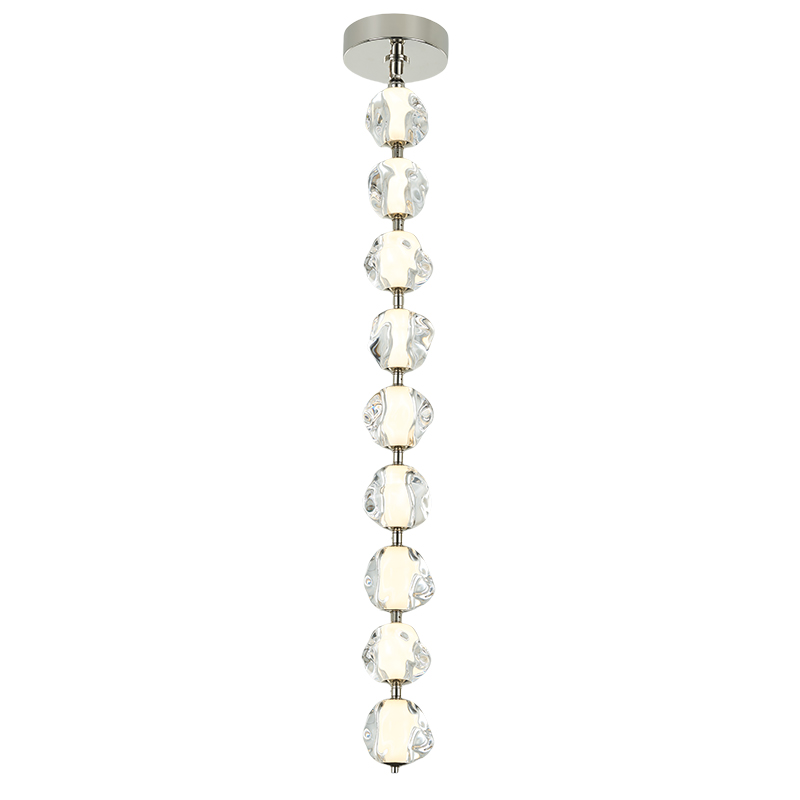
Introduction: A Comparative Reality Check
Ever notice how every new build swears it will “simplify lighting,” then trips over its own fixtures? The decorative light supplier shows you a glossy board and a smiling timeline, yet the punch list grows (and grows). When buyers go hunting for chandelier supplies, they’re promised harmony, but the specs whisper chaos. Recent bid data pegs nearly 4 in 10 project delays to fixture substitutions and lead-time surprises—funny how that works, right? You see the price, then the adders for drivers, finishes, weird mounting plates, and a “recommended power converter.” The total is different by Friday. So, why does a beautiful ceiling piece keep wrecking budgets and schedules?
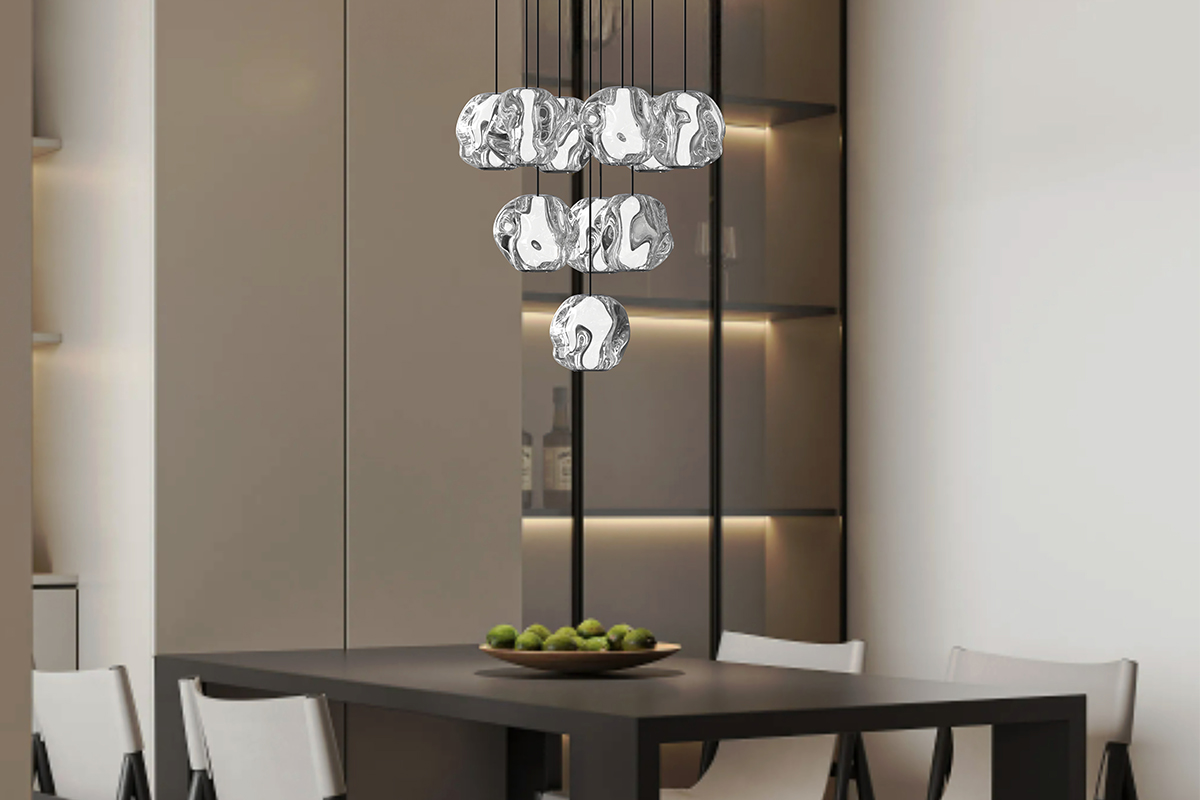
Let’s line up the promises with the parts, and the parts with the risks. Then we’ll ask the dull question that actually matters: what should move first, the design or the supply chain? Onward.
Under the Shade: Traditional Chandelier Kits and Their Hidden Costs
Where do legacy kits go wrong?
Here’s the short version. Legacy chandelier kits split the job into decor, hardware, and electronics—then leave you to stitch it back together. That means mismatched drivers, undersized power converters, and dimming that buzzes when PWM kicks in. Look, it’s simpler than you think: anytime the driver isn’t spec-matched to the LED arrays, your CRI and output wobble, thermal derating bites, and the finish schedule slips. The result is lots of “field fixes.” More couplers. More adapters. More returns. And yes, more change orders.
The old model also hides risk in paperwork. Photometric data arrives late. Control notes say “compatible with DMX,” but the controller matrix is missing. Mounting details don’t match the junction box spec. Even the chain load rating can be vague. Each gap looks small. Together, they create supply chain latency and coordination churn. The bill of materials sprawls across SKUs no one owns end-to-end, so any variance—paint tone, canopy size, driver surge rating—ripples through the ceiling grid. And that’s before someone asks about fire rating in a mixed-use atrium. You don’t need drama. You need a clean interface between decor and electronics, and a single party responsible for the whole stack.
Comparative Lens: New Tech Principles That Actually Cut Risk
What’s Next
Let’s compare two paths. Path A: buy pretty parts and hope integration holds. Path B: spec chandelier assemblies that treat the electronics like a platform. In Path B, the light engine, driver topology, and control protocol are standardized up front, and the decorative envelope changes around them. That unlocks faster photometric testing, tighter thermal management, and predictable dimming curves. The principle is modularity: quick-connect harnesses, keyed polarity, and drivers with fixed output tables. Pair that with edge computing nodes—tiny controllers at the canopy that handle scenes—and you get stable behavior even when the network sneezes. Not fancy, just disciplined engineering.
We’re seeing this in practice with a capable custom lighting manufacturer that builds décor and electronics as one bill of materials. Their kits ship with tuned drivers, verified CRI, and documented RFI thresholds. The canopy lands, the chain hangs, and the dim-to-warm behaves across 0–10V and DALI without hiss. Fewer field swaps. Cleaner commissioning. You compare that to the legacy scattershot approach and the difference is stark—less artistry lost to rework, more control over lead time. The trend is clear: make electronics first-class citizens, then let finishes and forms roam. The result is boring reliability, which is exactly what high-profile lobbies need—go figure.
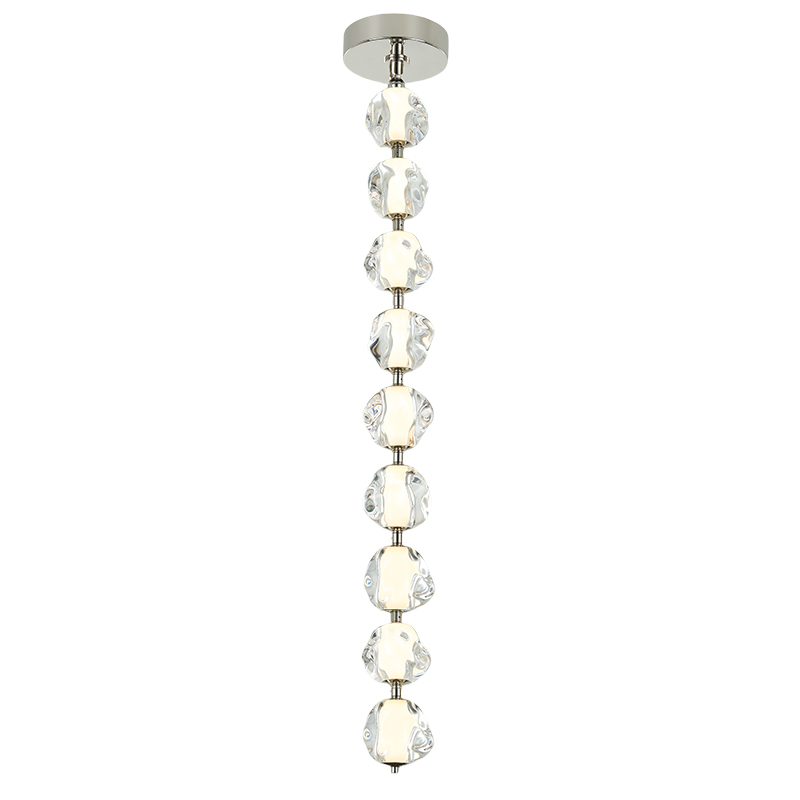
Choosing Wisely: Metrics That Keep Your Ceiling Out of Trouble
Time to turn the snark into steps. Use three evaluation metrics, and you’ll avoid most of the mess. First, integration depth: insist on a single owner for décor, drivers, power converters, controls, and mounting; ask for one photometric and thermal file set per fixture type. Second, control fidelity: verify dimming performance across your protocol (0–10V, DALI, DMX), with stated PWM frequency, minimum stable dim level, and no audible noise at 10%—test it in a mockup. Third, lifecycle clarity: lock down spare driver part numbers, finish touch-up kits, and a swap-friendly wiring harness; you want 48-hour replacement SLAs, not archaeology. Do this, and chandelier choices stop being a risk lottery and start acting like a standard system with pretty clothes. Keep the drama on the renderings, not the site walk. For brands that already treat décor and electronics as one stack, you’ll know them when the submittals read like engineering, not improv: kinglong.