
Opening the problem
Dealers face a persistent mismatch between customer expectations and on-site realities: a visually slim pergola can fail when heavy rain, local wind patterns, or energy goals are factored in. The immediate pressure is to offer a durable cover that supports outdoor use while adding value—sometimes that means specifying a photovoltaic pergola rather than a simple fabric roof. Problem-driven decisions—identify the failure point, then choose the product that fixes it—cut warranty costs and keep installers on schedule.
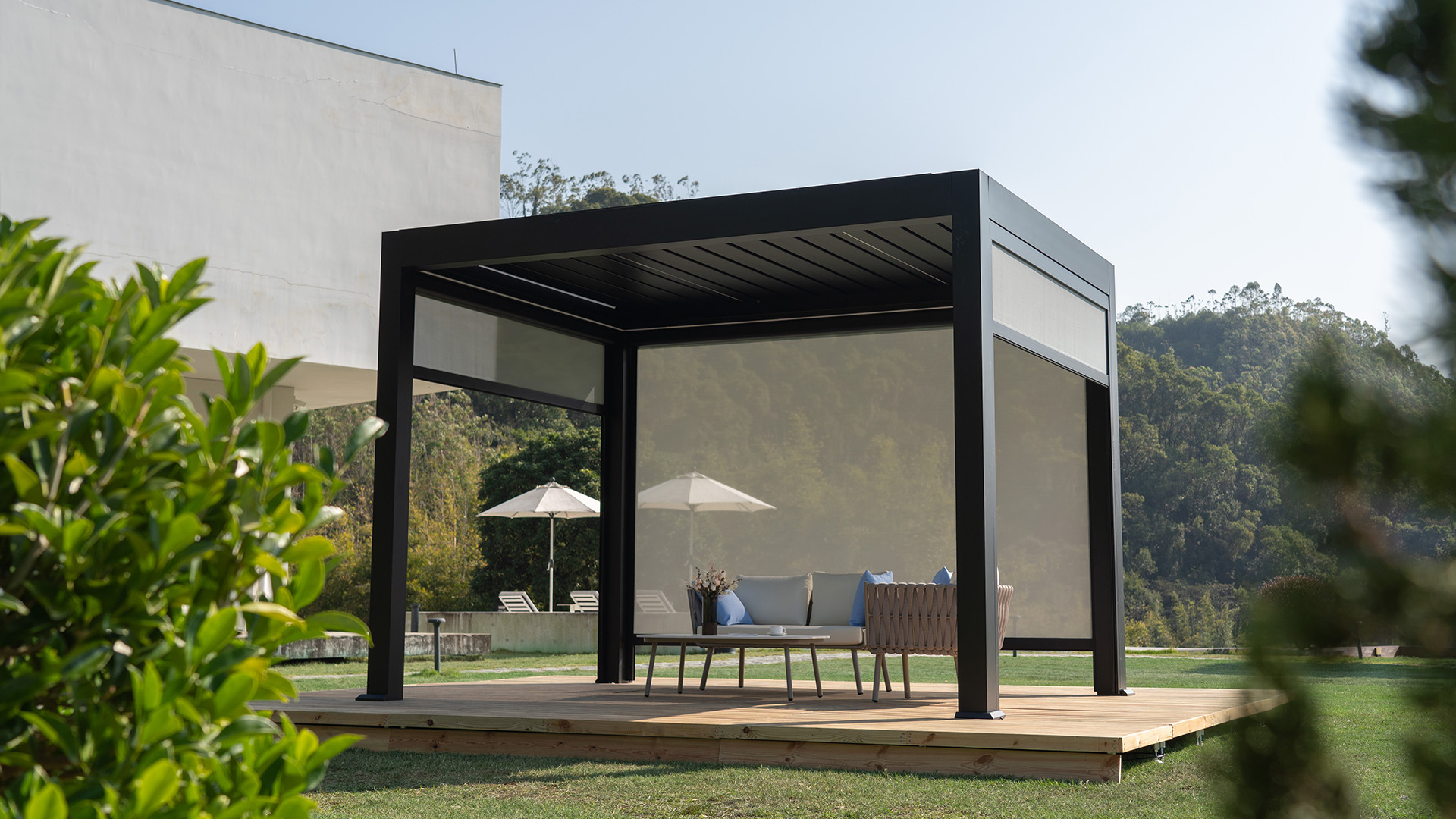
Where specification and installation break down
Problems cluster around four areas: load capacity, water management, integration with electrical systems, and permitting. Dealers often accept a product spec sheet at face value and discover on-site that framing details, flashing, or drainage paths were omitted. That leads to retrofit work, unexpected material orders, and unhappy clients. Prioritize verifying structural ratings, manufacturer installation guides, and site drainage before committing to inventory or signing a sales order.
Evidence, expertise, and a single anchor for cover selection
Experience from residential retrofit projects in California shows how regulatory requirements and climate realities converge: California’s Title 24 energy code has accelerated adoption of integrated solar shading and affects allowable roof penetrations for energy systems. When choosing the best cover, balance wind and snow loading with solar orientation and cabling paths; a tested assembly reduces call-backs. For a practical supply option that addresses those combined needs, consider this best cover for pergola which aligns with common permitting paths and installer workflows.
Common pitfalls dealers make
Three mistakes repeat across projects. First, underestimating lateral loads from wind and failing to anchor properly. Second, accepting opaque warranties that exclude workmanship or site-specific water intrusion. Third, choosing covers without considering maintenance access for photovoltaic arrays or integrated lighting. Avoid each by requiring a signed installation scope, specifying flashing and drainage, and validating electrical interconnection options before closing the sale.
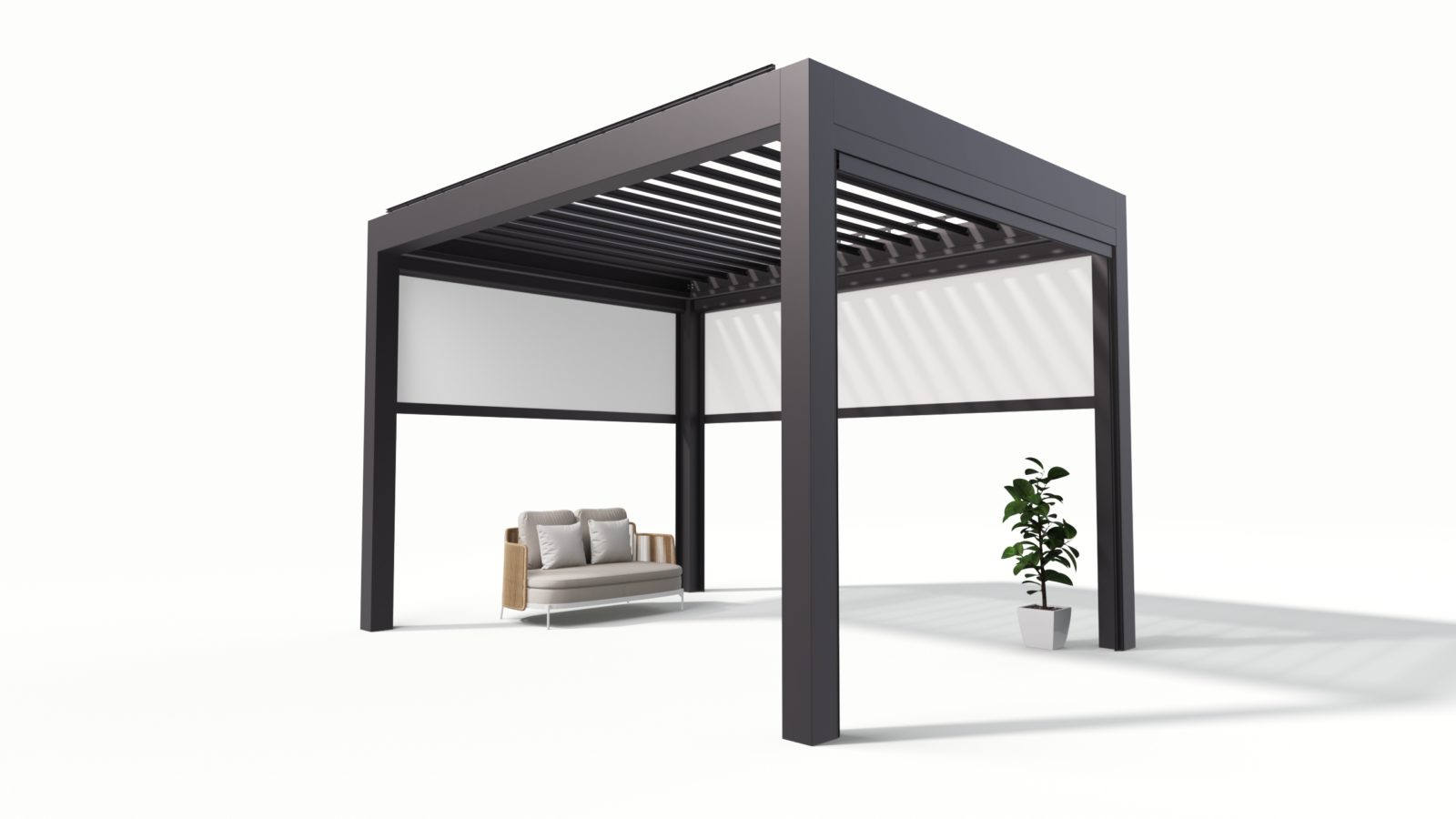
Alternatives and trade-offs
Fixed polycarbonate panels give low maintenance and clear water paths but can trap heat and restrict integrated panels. Louvered systems offer active shading and drainage control but need motors and routine servicing. Fabric covers are lightweight and cost-effective but score poorly on longevity and energy integration. For dealers, the right choice matches the client’s priorities: durability and resale value justify higher upfront cost for integrated solar systems; short-term budget constraints favor simpler covers with clear upgrade paths.
Practical checklist for stronger sales and fewer callbacks
Use these items at quote stage: confirm site wind/snow ratings, request a roof/attachment photo set, verify local permit triggers, list interconnection needs for any photovoltaic system, document maintenance access, and include an explicit exclusions list in the warranty. Train sales staff to ask three decisive questions: expected lifetime, tolerance for maintenance, and interest in energy generation. Those answers predict the suitable cover type and reduce order changes.
Final synthesis
Dealers who treat pergola selection as a problem-solving exercise—pinpoint the failure modes, choose assemblies that address those modes, and document decisions—cut service hours and improve margins. That practical approach explains why many installers prefer products engineered for durability, straightforward attachment, and electrical integration; those traits match real-world site constraints and customer priorities, which is the value offered by Light Hunter.