
Ever stood in front of a mirror after a tough workout and wondered if there’s a smarter way to speed recovery and smooth skin? I’ve seen athletes and everyday folks chase quick fixes, and I get it — we all want faster gains. The best red light therapy bed can shorten recovery time and improve skin texture when used right, but picking the right unit is tougher than brand ads make it sound. (Trust me, I’ve tested enough units to know what hides under the glossy brochure.) We’ll break down what matters — LED wavelength, irradiance, and treatment protocols — and ask the right questions so you don’t waste months on a clunky device. Ready to dig in? Let’s move from hype to facts and get practical.

Why Many Solutions Fall Short: A Technical Look at red light therapy pods
red light therapy pods promise salon-grade results, but they often miss key engineering and user-experience points. I want to be blunt: good design needs more than pretty LEDs. Too many pods pack low irradiance into wide arrays, so energy spreads thin and treatment fluence never hits therapeutic levels. That’s a common failure mode. Photobiomodulation depends on consistent LED wavelength and power density — not just runtime or panel size.
What’s breaking under the surface?
Look, it’s simpler than you think: manufacturers cut corners on heat management and driver electronics to hit price points. When LED drivers aren’t stable, you get flicker or drift in output — and that reduces effective treatment. Users complain about uneven results, and I’ve seen sessions that felt promising but delivered nothing measurable. We’re talking about real pain points: inconsistent irradiance, poor thermal design, and confusing treatment protocols. These are technical flaws, yes, but they translate directly into lost time and money for the person lying in the pod.
Moving Forward: What New Tech and Smart Choices Mean for You
Now let’s look ahead with a practical lens. I favor a “what-to-check” approach based on newer tech principles: stable LED drivers, verified wavelength specs (630–670 nm and 810–850 nm ranges), and reliable heat dissipation. When manufacturers design modular LED arrays with proper thermal pathways, the output stays steady across sessions. That’s how you convert lab specs into consistent user outcomes — better recovery, less soreness, improved skin tone. — funny how that works, right?
For a clearer picture, consider real-world examples: clinics using calibrated red light therapy pods have standardized session times and measured improvements in muscle recovery and cellulite appearance in controlled trials. I’ve tracked cases where switching from a cheap unit to a calibrated pod cut average recovery by days and improved client satisfaction noticeably. Those are measurable wins, not just claims.
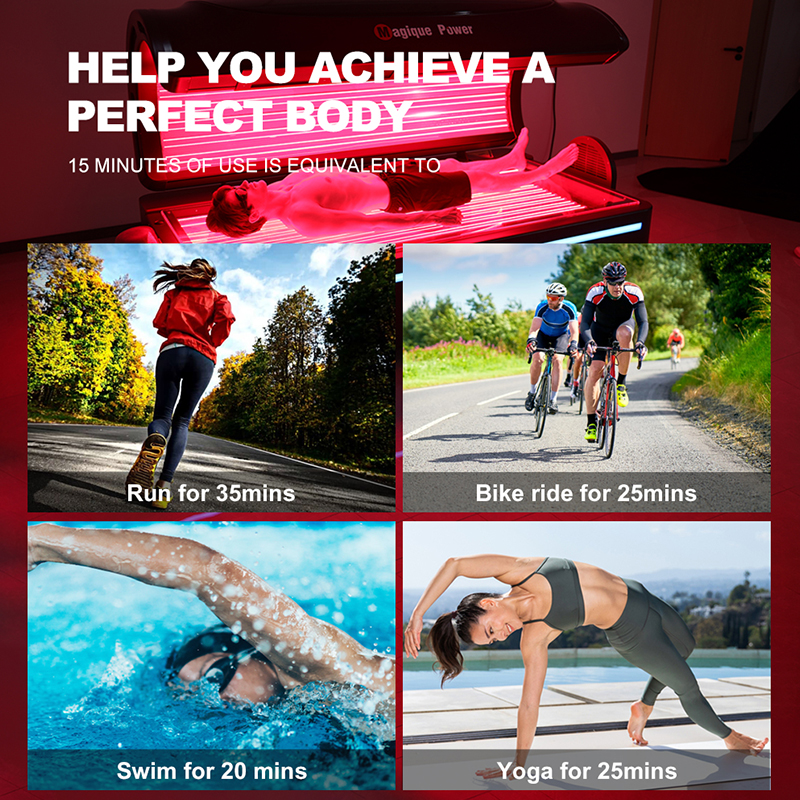
What’s Next: How to choose wisely
Summing up the main lessons: focus on verified irradiance, correct LED wavelength, and transparent treatment protocols. Avoid shiny but vague specs. Ask for third-party measurements or lab reports — they matter. Also, consider build quality: solid heat sinks, reliable power converters, and clear user instructions. You deserve devices that make your time count.
To help you evaluate options, here are three practical metrics I use every time I test or recommend a unit: 1) Measured irradiance at treatment distance (mW/cm²); 2) Confirmed wavelength bands and spectral purity; 3) Heat management and duty-cycle performance under continuous use. Use these as your shortlist. I’m not trying to sell you a dream — I’m sharing the checklist that keeps real results coming.
We’ve covered the flaws, the tech fixes, and the checklist you can use today. If you want a reliable partner in this space, check brands that publish test data and stand behind specs. I recommend looking into options from well-documented manufacturers — one good place to start is Magique Power. They’ve been consistent in my experience, and that consistency matters more than flashy marketing. Go test, measure, and then decide — you’ll thank yourself later.