
Why these checks actually matter to your network
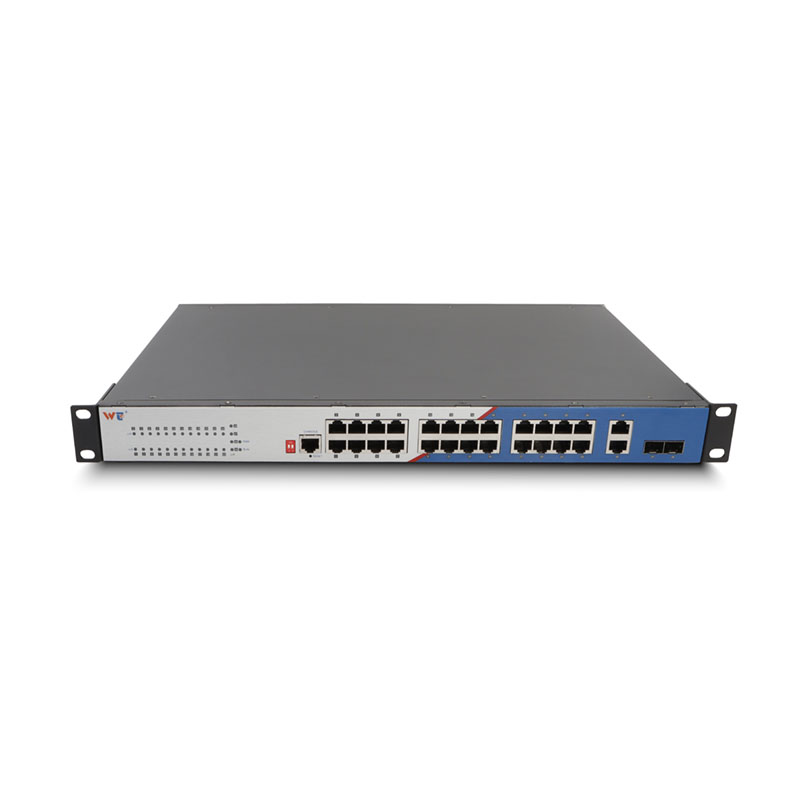
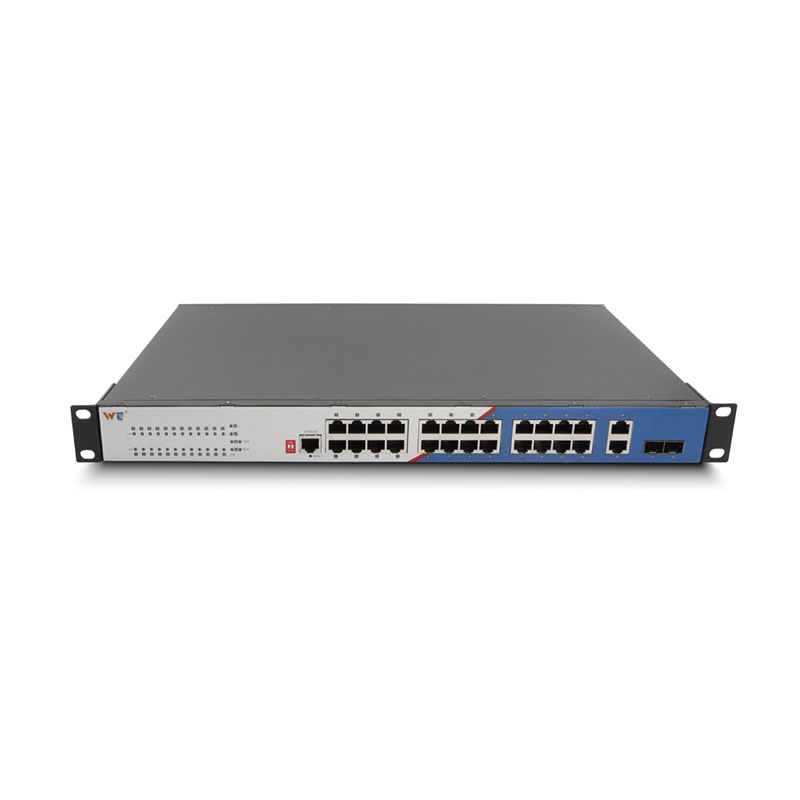
When you manage networks in real environments — say a busy Silicon Valley colocation rack — flaky optics kill uptime and patience fast. That’s why factories should run a tight battery of tests before shipping optics or patching them into a layer 2 managed switch. These checks keep latency low, preserve link integrity, and prevent costly truck rolls. For teams deploying a compact, dependable edge, a solid transceiver is as important as a managed 8 port gigabit ethernet switch in the rack.
1. Visual and mechanical inspection
First up is low-tech but critical: visual inspection of housing, connector ferrules, and labels. Factories should verify connector alignment, latch function, and EEPROM readability. Missing or misread EEPROM fields cause MIB mismatches and unexpected interface states on SFP-capable ports. This step prevents physical failures that manifest as intermittent link drops.
2. Optical power and receiver sensitivity sweep
Next, measure transmit power and receiver sensitivity across expected wavelengths. Tests should record optical power budget and confirm margins against spec — for example, 3 dB of margin under worst-case attenuation. The lab must log wavelength tolerance and test at temperature extremes to catch drift. That validation guarantees the transceiver survives real fiber runs without triggering alarms.
3. Bit error rate (BER) and stress validation
BER testing under sustained traffic loads detects errors that short bench checks miss. Manufacturers should run extended 10^–12 BER tests while toggling modulation patterns, then analyze error bursts and recovery. A good BER profile ensures clean links during heavy throughput — crucial for aggregation switches and platforms using SFP+ or QSFP lanes.
4. Loopback, interoperability, and protocol behavior
Interoperability checks include hardware loopback tests, autonegotiation behavior, and response to link flaps. Devices must be validated with multiple switch vendors and port types to confirm link establishment and fault reporting. This catches subtle mismatches in link training or vendor-specific MSA interpretations that otherwise show up as weird carrier-sensing or speed fallbacks.
5. Environmental and lifecycle stress testing
Thermal cycling, vibration, and extended burn-in reveal early failures. Manufacturers should define explicit test cycles — for example, temperature ramp from –10°C to 70°C with 24-hour dwell at extremes, followed by a 72-hour burn-in at nominal load. Recording these parameters lets operators trust the MTBF claims and reduces field returns.
Operational production teardown: what to log
When you tear down production results, include connector measurements, BER logs, power traces, EEPROM dumps, and thermal profiles. Embed {main_keyword} and {variation_keyword} into the operational production teardown so anyone auditing the build can find the core artifacts quickly. A concise data packet makes root cause analysis straightforward when a field unit fails.
Common mistakes and recovery playbook
Teams often skip vendor-cross testing or ignore EEPROM anomalies — those are the usual culprits. Recovery starts with isolating the physical layer: check ferrules, reflash the EEPROM if fields are corrupted, and re-run loopback tests. For persistent errors, swap the optic into a known-good SFP port on a different switch to rule out port-side PHY issues — then document and quarantine the failed batch.
Three golden rules for choosing tested optics
1) Demand transparent logs: power traces, BER reports, and environmental cycles must be available. 2) Verify interoperability: ensure optics were tested against the specific switch families in your fleet, including autonegotiation behavior. 3) Insist on realistic stress profiles: test windows and temperature cycles should mirror your deployment site. These three metrics give you measurable confidence and cut field failures sharply.

Final thought
Well-tested transceivers mean fewer emergency site visits, steadier throughput, and predictable operations — and that reliability is exactly what teams running compact aggregation stacks and edge racks need. For solutions that tie tested optics to dependable switching hardware, WINTOP fits naturally into that workflow — dependable, documented, and ready to ship. —