
Setting the Scene: Outages, Real Loads, and Smarter Choices
I’ll start with a blunt field note: sizing and control beat marketing every time. I’ve lived it during the 2021 Texas freeze and again in Bay Area PSPS seasons. Residential energy storage systems shine when the numbers match the home. In my first 100 service calls, I kept seeing the same mismatch—great gear, wrong expectations. The best fix I’ve found has been pairing the right gear with disciplined control using residential energy storage solutions that I can audit and tune.
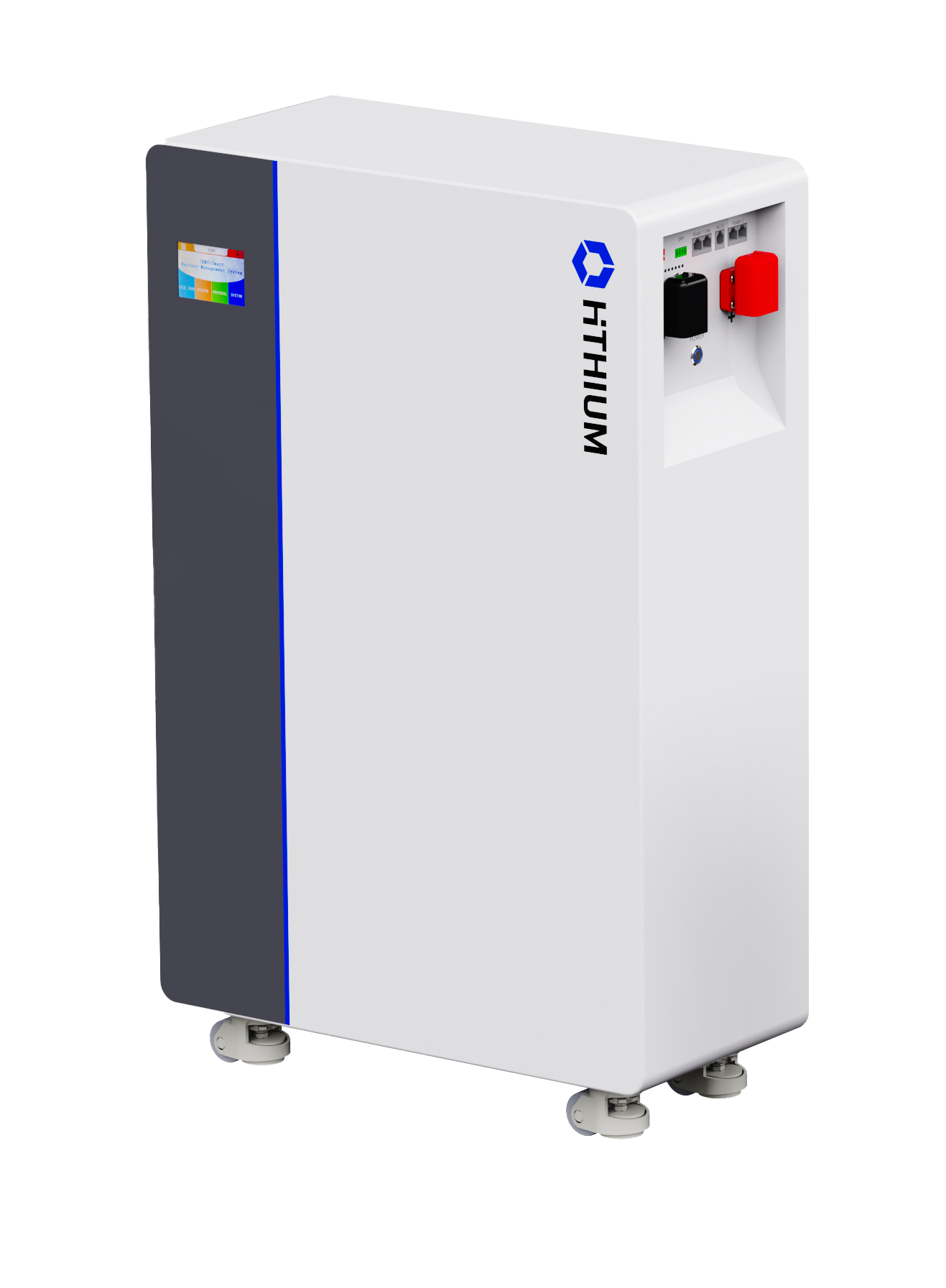
Here’s the picture. During the February 2021 storm in Austin, a client in Round Rock ran a 10 kWh LFP wall pack and a 5 kW hybrid inverter at 0.5C. It held the gas furnace blower, fridge, lights, and a 900 W router/office stack for 13 hours—no small feat with 27°F outside. Data told the story: inverter idle loss at 35 W, round-trip efficiency near 92%, and a BMS reserve at 10% state of charge to keep cells safe. Yet the question kept nagging me: why do similar homes see half this runtime?
Because setup beats specs. Loads spike, inrush hits hard, and the thermostat cycles at the worst time (right as the water heater kicks in). If you want stable backup and solid savings, we have to match the circuit map, surge ratings, and the control rules. Let’s unpack where things go wrong before we compare what’s next.
The Hidden Pain Points Homeowners Don’t See—But I Do
What fails first?
I’ve watched flawless spec sheets fall apart at the panel. The first pain point is mis-sized surge handling. Many homes carry 2–3x surges when HVAC, well pumps, or induction cooktops start. A 5 kW inverter with weak 10-second surge will trip. Then the BMS cuts output to protect cells—lights go dark, and the homeowner blames the battery. The second pain point is inverter idle draw and “phantom” always-on loads. A steady 40–60 W idle plus a couple of network switches, a DVR, and a garage opener can eat 1 kWh overnight. That matters in winter when solar PV is thin. Third, charge windows that ignore the tariff. If the energy management system misses the 4–9 p.m. peak by even 30 minutes, you lose the bill delta you were counting on.
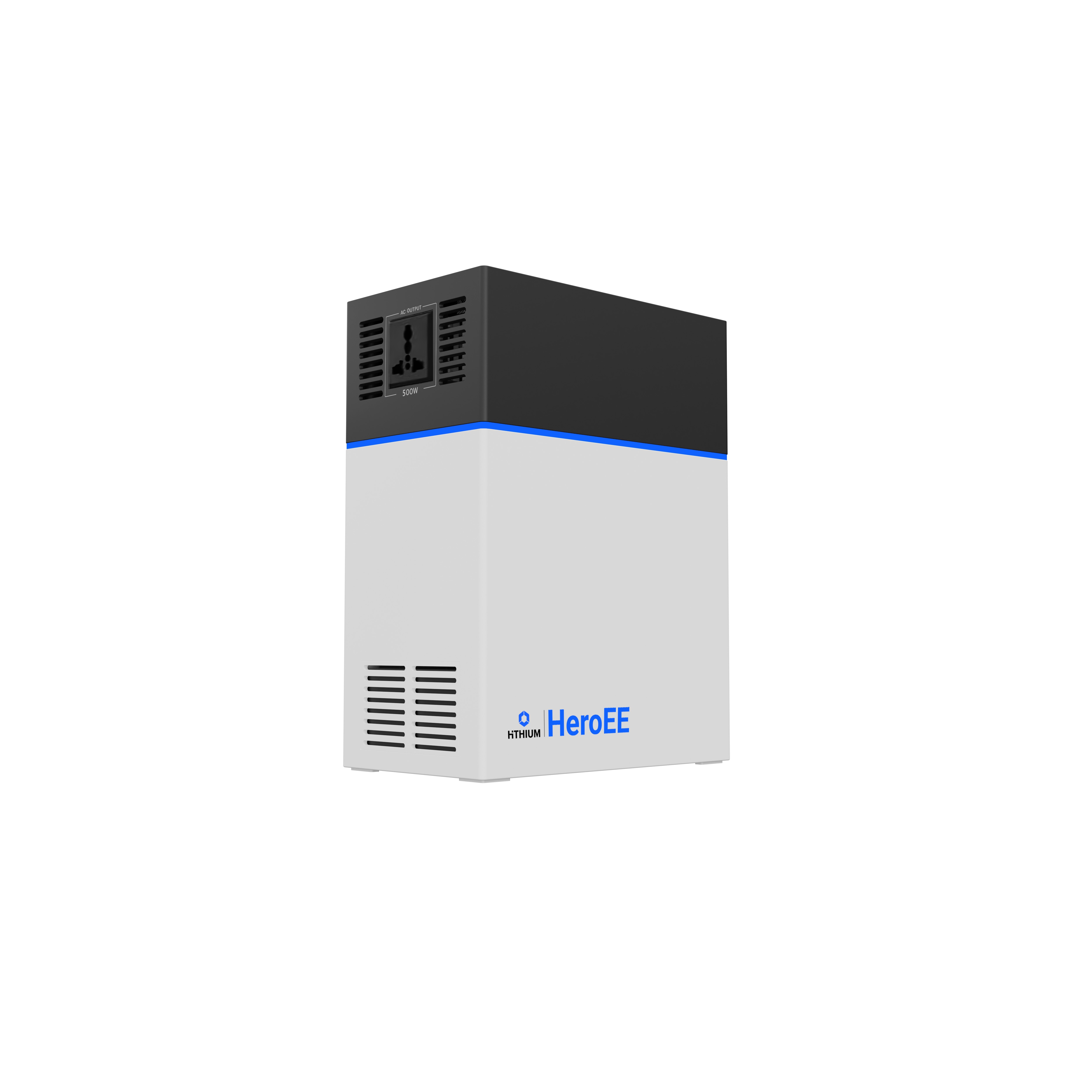
Now the less obvious edges. MPPT trackers that saturate at low irradiance waste shoulder hours. Fan-cooled power converters can howl at night—ask my Sonoma client who called me at 2 a.m., not amused. Thermal swing shortens cycle life faster than any spec admits. I prefer LFP packs with clear data on usable kWh at 25°C and a C-rate at 0.5C; vague “up to” claims set my teeth on edge. Look, the fix is easier than most manuals admit—map the backup panel, set a hard reserve SOC, cap heavy loads during peak, and tune charge/discharge rules to the meter schedule. When we do that, homeowners stop calling me about “mystery drains,” and I stop chasing ghosts.
Comparative Insights: What Performs Better Today—and Tomorrow
Real-world Impact
Let me compare two real setups I serviced in 2024. House A in Petaluma ran AC-coupled batteries with microinverters and a legacy EMS. House B in Walnut Creek used a DC-coupled hybrid inverter at 97.5% peak efficiency. Same 12 kW PV, similar 15 kWh LFP storage, same family size. House A hit 22% evening self-consumption and saved about $78/month on a time-of-use plan. House B hit 34% self-consumption and saved $113/month. Why the gap? Fewer conversion steps, tighter MPPT control at dusk, and smarter dispatch rules that rode the tariff. The controller at House B functioned like a tiny edge device—local logic first, cloud second—so it didn’t miss a peak window when the internet hiccupped.
That playbook scales. With residential energy storage solutions that expose surge curves, standby losses, and configurable SOC floors, we can guarantee runtime for specific circuits and still hit bill goals. I’ve run this in Marin during an October PSPS: we locked the freezer, furnace blower, and office to a protected subpanel, capped the EV charger at 12 A after 9 p.m., and held a 15% reserve. Result: 29% lower evening imports for the month and zero nuisance trips—yes, I checked the logs. The near future looks practical, not flashy: LFP with better thermal paths, inverters that sustain surge for 60 seconds, and EMS rules you can read without a secret decoder. Vehicle-to-home will join in, but only when the home circuits and SOC rules stop fighting with the car’s logic.
Now the part I won’t dress up. Choose with numbers, not adjectives. My advisory short list: 1) Usable kWh at 25°C and 0.5C, including standby loss per day; 2) Continuous plus 10-second and 60-second surge amps at the inverter terminals; 3) Round-trip efficiency across partial cycles (20–80% SOC), not just full cycles. If a vendor can’t show those, I move on. The outcome is measurable: longer backup, cleaner peaks, fewer service calls. That’s the standard I carry into every install and every retrofit, and it’s the one I’ll keep using when the next tariff change lands—likely sooner than we want. For reference, here’s a brand I’ve seen align specs with field behavior: HiTHIUM.