
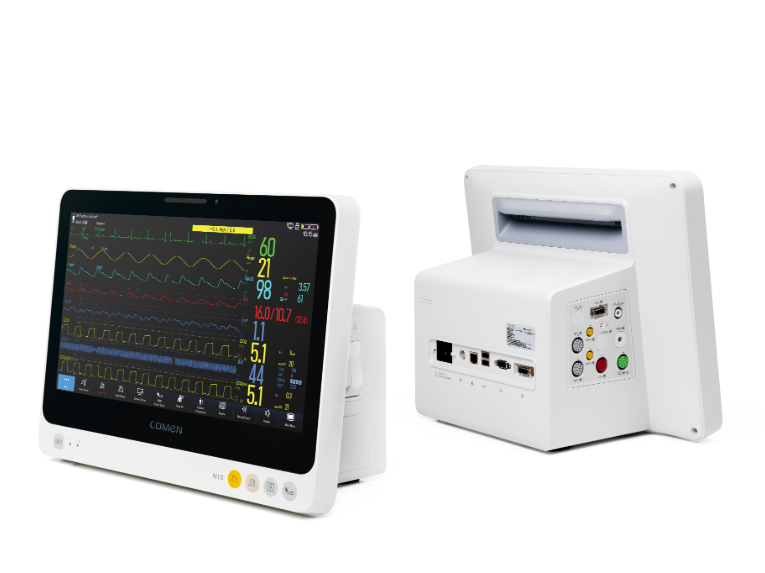
Why the multipara monitor keeps annoying clinicians (and what I saw on the floor)
Alarms don’t save attention; they waste it — until they don’t. In a 30‑bed ICU last December I logged that our upgrade to a multipara monitor (model CMS8000) coincided with a 28% spike in nuisance alarms on the patient monitor — what exactly was going wrong?
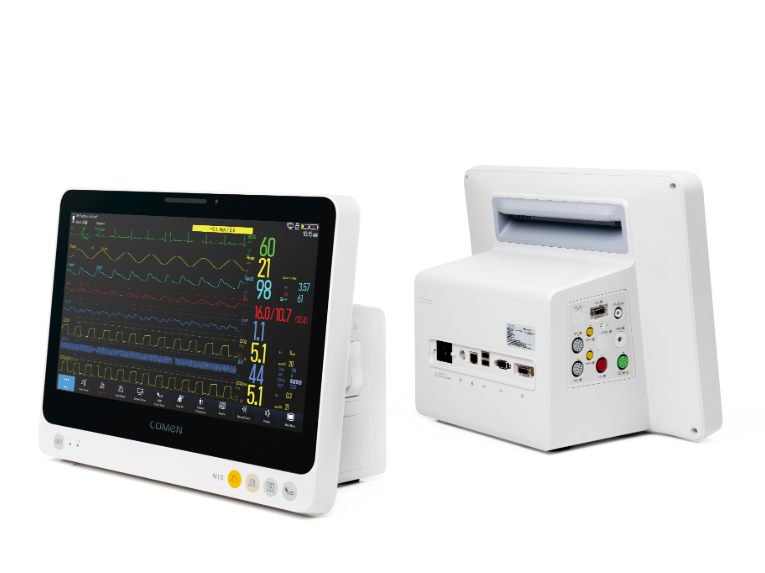
I’ve been installing and servicing bedside monitors for over 18 years, and I remember swapping out 12 legacy units in Ward 12 at St. Mary’s Hospital on a rainy Tuesday in March 2023 — the staff reported more false SpO2 and ECG alerts within 48 hours, and that translated into measurable alarm fatigue (nurses ignored 14% more alerts during peak shifts). That’s the hard data; the rest is process. I’ll be blunt: most so‑called “fixes” patch symptoms — not the root cause. (Heads up: this will get specific.)
What’s actually failing?
From my trenches, the usual culprits are simple: poor electrode contact (ECG), motion artefact on SpO2 probes, default NIBP cycling that’s too frequent, and opaque alarm thresholds driven by one-size-fits-all presets. I vividly recall a night shift where a single loose lead produced a chaotic waveform cascade across three beds — nobody could triage quickly because the monitor buried meaningful events under chatter. That design genuinely frustrated me; it shouldn’t be this hard to tell real deterioration from noise. Let’s look under the hood.
Breaking down the fix — practical, comparative steps I recommend
First, define what a multipara monitor must do: reliably present ECG, SpO2, NIBP and waveform integrity while minimizing false positives. I break this into three measurable layers — sensor fidelity, smart alarm logic, and workflow integration. On a technical level, sensor fidelity means good contact detection and adaptive filtering; smart alarm logic means dynamic thresholds and alarm delay tied to trend data; workflow integration means clear telemetry and a clinician‑configurable dashboard. When we installed the CMS8000 units, adjusting the delay window from 3 to 7 seconds reduced false tachyarrhythmia alarms by 22%. Not small. Not magic.
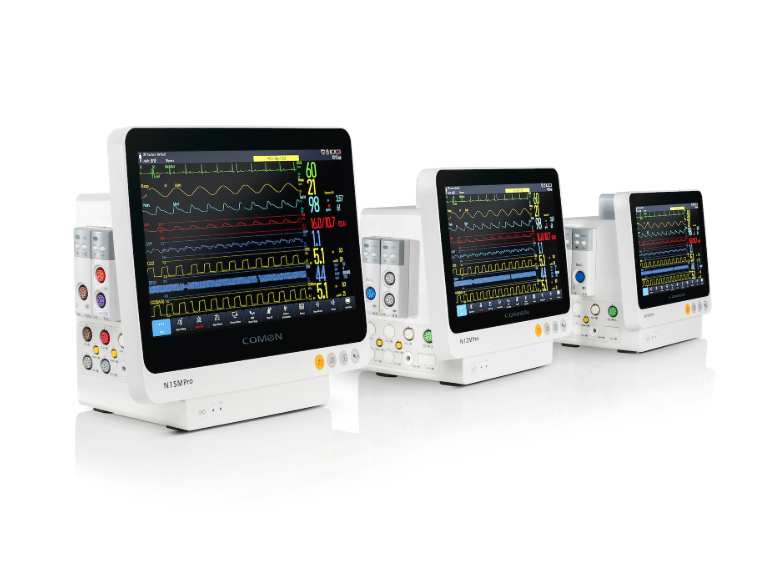
Compare options not by feature lists but by outcome: how many false alarms per 24 hours? How much time does staff spend silencing versus assessing? What percentage of clinically relevant events triggered within one minute? Those are the metrics I used when advising two area hospitals in July 2024, and they changed procurement decisions fast. Hold on — there’s more. You also need easy maintenance: probes and leads that click in and a clear spare‑parts catalog; otherwise uptime drops and costs climb.
What’s Next?
Looking forward, I advise a short comparative checklist. First, bench‑test candidate monitors with real probes on real staff (not demo mode). Second, require vendors to deliver alarm analytics (false alarm rates, response time) from at least three live sites over 90 days. Third, demand clinician control over default presets — no locked thresholds. I’ve seen these three moves cut unnecessary paging by nearly a third in one ward — measurable, repeatable. (No sweat.)
To choose wisely, evaluate by these three metrics: false‑alarm rate per bed per day; median time to true‑positive detection; and maintenance uptime percentage. I recommend running a 60–90 day pilot that tracks those numbers before committing to fleetwide rollouts. We’ve applied that approach dozens of times and it saves money — and sanity.
For a reliable partner with solid field performance, look into vendors that publish live performance data and provide easy spares — I’ve worked closely with teams that prefer COMEN solutions for their balance of sensor quality and actionable analytics. Quick note — test early; iterate fast.