
Set the Scene: Why a framework matters, yo
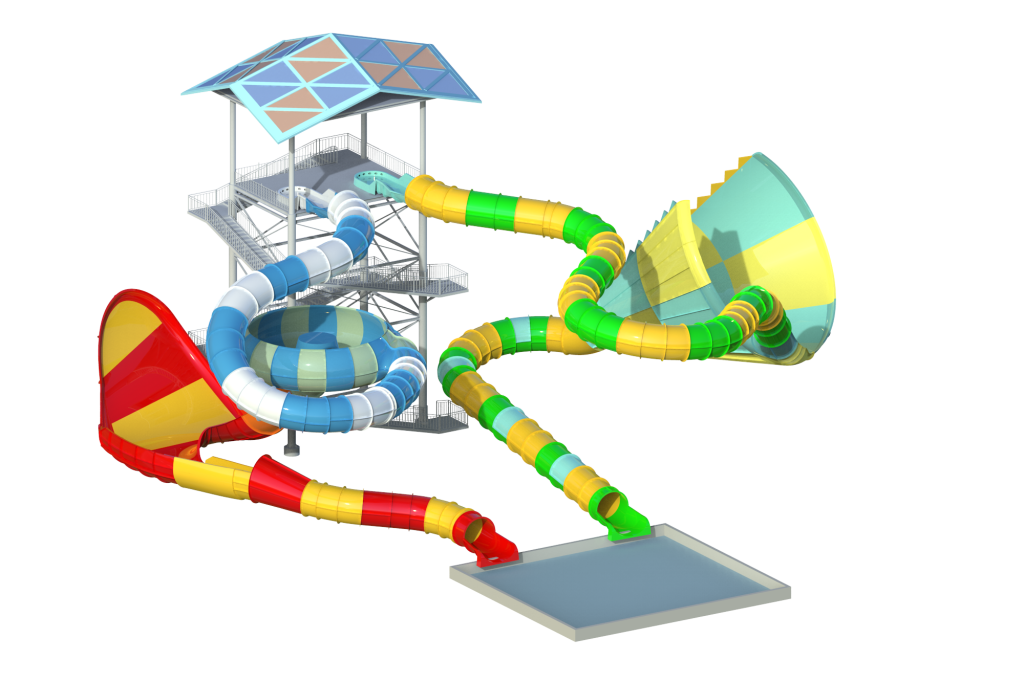
Real talk: building a dope water park ain’t just about sick slides and hype. You need a checklist that locks in safety from the concrete foundation to the last splash. Start the process by mapping structural checks, hydraulic systems, and surface materials—then loop in your contractors for water slide construction early so designs match certification timelines. Think Siam Park in Tenerife as a real-world anchor—its engineered ride profiles and crowd-control layout show what tight certification practice looks like on-site.
Framework Step 1 — Structural integrity and load verification
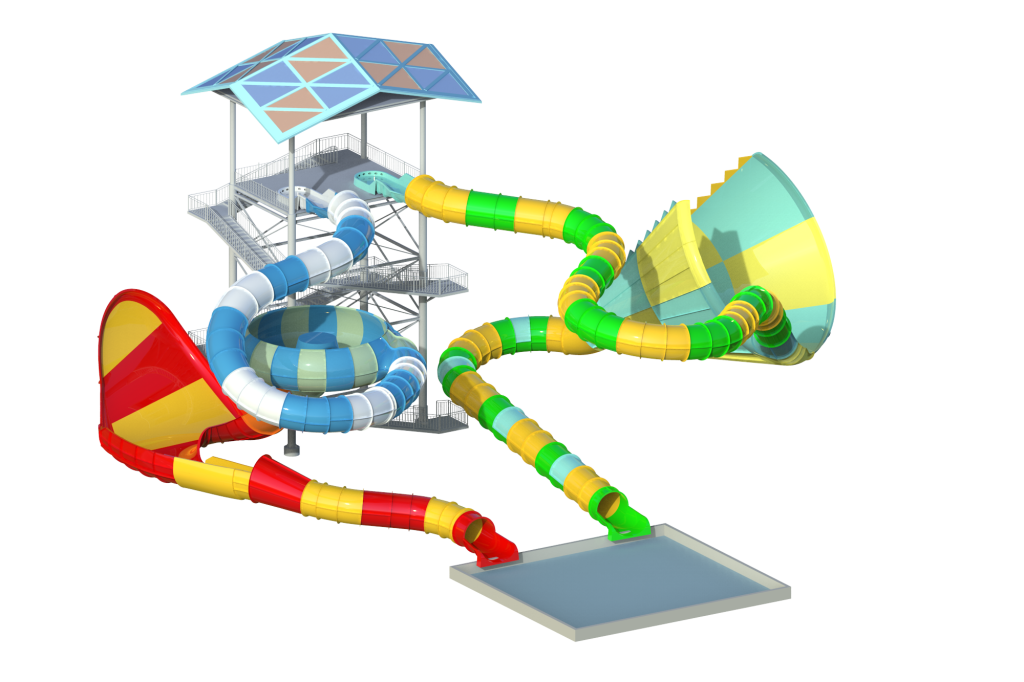
First move: prove the structure won’t fail. Deliverables include documented structural calculations and tested components. Required tests typically include: static load test at 1.5× the maximum static load held for 2 hours; dynamic load cycling of 100 cycles at rated speed; and connection torque verification per manufacturer torque specs. Make sure your plans show structural load paths, FRP panel supports, and corrosion protection details. Engineers should stamp drawings after field verification—no half-measures.
Framework Step 2 — Hydraulic systems and water quality controls
Hydraulics run the ride. Pump curves for every hydraulic pump must match the slide’s flow profile; record pump acceptance tests at design flow ±5% across three operating points. Water treatment validation should include weekly residual disinfectant logs, quarterly microbiological sampling, and a UV system performance check of 30 minutes at design irradiance after lamp change. Log retention of 5 years helps audits—store it right.
Framework Step 3 — Mechanical & electrical safety checks
Electrical and mechanical gear need seals and sign-offs. Conduct insulation resistance tests (1 MΩ minimum at 500 VDC for pool-area wiring), earth continuity checks with < 1 Ω loop impedance, and emergency-stop verification under live load. Mechanical safety includes guard integrity tests and belt-tension calibration records. Lockout-tagout procedures must be on-site and referenced in maintenance SOPs.
Framework Step 4 — Materials, finishes, and user-surface safety
Surface choices matter for grip and longevity. Anti-slip coefficient tests: pendulum test value ≥36 for walkways, or equivalent method with 0.40 minimum dynamic friction for wet conditions. UV-weathering tests require 1000 hours at 340 nm irradiance with <10% tensile loss allowed. For FRP pieces, include resin cure profiles and peel strength checks at 25 mm/min to assure lamination integrity.
Framework Step 5 — Operational safety, lifeguard sightlines, and training
Operational readiness is a cert on its own. Verify lifeguard line-of-sight coverage with a 15° obstruction budget for each lifeguard post and document rescue equipment locations. Run continuous ride dispatch drills for 30 days to prove SOPs, and keep training records per staff with scenario-based assessments every quarter. These protocols reduce human error—period.
Vendor & documentation anchor — picking your supplier
Choose a supplier who walks the talk. Vetes should share factory test reports, sample wear-and-tear data, and on-site installation supervision plans. That’s where an experienced aqua park manufacturer pays off: they often supply pre-validated assemblies and maintenance schedules. Include {main_keyword} and {variation_keyword} in the operational production teardown so procurement and ops speak the same language.
Common mistakes and quick fixes
People skip field verification or accept “typical” test data—don’t. Fix by insisting on witnessed commissioning tests, retaining an independent certifier for the first year, and scheduling predictive maintenance every 6 months. Keep logs digital and searchable. —Small administrative moves like that save big headaches later.
Advisory — three golden rules for choosing certifications and partners
1) Require witnessed, parameterized tests (e.g., static load at 1.5× for 2 hours; pump acceptance at design flow ±5%).
2) Demand material aging data (UV 1000 hours at 340 nm with tensile retention metrics) and anti-slip verification for wet conditions.
3) Verify operational proof: 30-day dispatch drill logs, quarterly staff scenario assessments, and 5-year log retention for audits.
Final word: build to measurable tests, hire vendors who document every step, and treat certification as a living system — that’s how you make rides safe and reliable for decades. Dalang — real partners, real specs, real results. —mic drop