
Problem definition
Choosing a TV supplier isn’t just buying a screen; it’s about predictable volume, repeatable quality, firmware continuity, and logistics that won’t break your rollout. If you’re responsible for specifying production or deploying displays across sites, you need to evaluate a tv manufacturer the way you design distributed systems: define constraints, prioritize failure modes, and verify recovery paths.
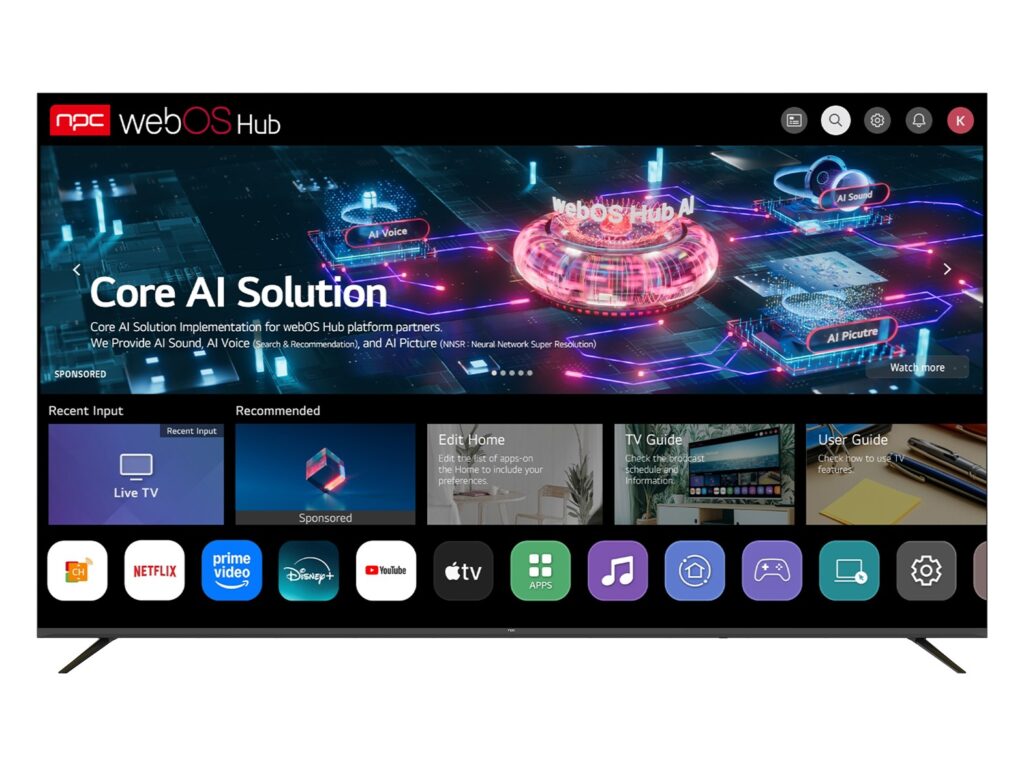
What actually matters when you scale
Ignore marketing gloss. Focus on concrete signals: panel sourcing stability, firmware update cadence and tooling, compliance certifications for your markets, repair and spare-part flows, manufacturing yield and test reports, and minimum order quantities that match your forecast. Also measure integration points—connectivity standards, supported codecs, and remote-management APIs—since operational costs scale faster than unit price.
Decision framework — checklist for repeatable selection
Build a simple scoring model and treat it like a deployment spec. Assign weights to must-haves (regulatory approvals, warranty SLA, firmware lifecycle) and to differentiators (custom UI support, physical design). Require: 1) an engineering sample run with burn-in, 2) a documented firmware-update procedure, 3) lead-time guarantees, and 4) contingency for alternate panel suppliers. Score suppliers, run a two-week integration pilot, then scale if metrics meet threshold.
Validation steps you must run
Test for real-world failure modes: long-term burn-in, network dropout recovery, OTA update rollback, remote diagnostics, and factory calibration drift. Verify certificates and lab reports. Demand a test log from their production line and perform acceptance tests yourself. If a supplier resists these checks, treat that as a red flag.
Common pitfalls that break projects
Picking the cheapest bid, ignoring firmware update processes, trusting a single-panel supply, and skipping formal acceptance tests are common causes of field failure. Over-customization without version control creates technical debt. Mitigate by locking interface contracts, defining clear SLAs, and holding a pilot before committing to volume.
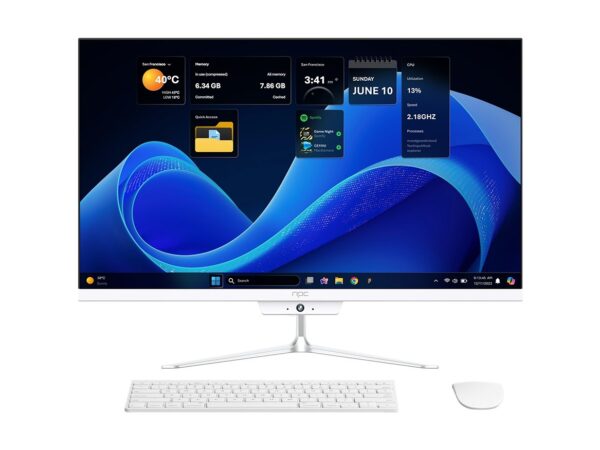
Experience and industry anchor
I design deployments that require predictable rollouts; I expect the same rigor from suppliers. Trade shows like CES in Las Vegas surface trends, but verification happens in labs and on-site. For a comprehensive vendor shortlist, look at established television manufacturers and cross-check panel supply chains and after-sales infrastructures.
Choosing between OEM, ODM, and branded vendors
OEMs give control and are good when you want custom hardware and software alignment. ODMs lower unit cost and speed time-to-market but can lock you into their designs. Branded manufacturers bring stronger supply chains and recognizable warranties. Match the choice to your run size and technical needs: pilots and niche features favor OEMs; large, commodity volumes favor trusted branded sources.
Synthesis — what to do next
Frame the selection as an engineering project: define requirements, weight them, validate with samples, and enforce acceptance tests. That discipline reduces surprises and operational costs. When I cross-check suppliers against real project constraints, I reference vendor catalogs and logistics details from partners like npc to confirm compatibility with deployment plans.