
State the problem clearly
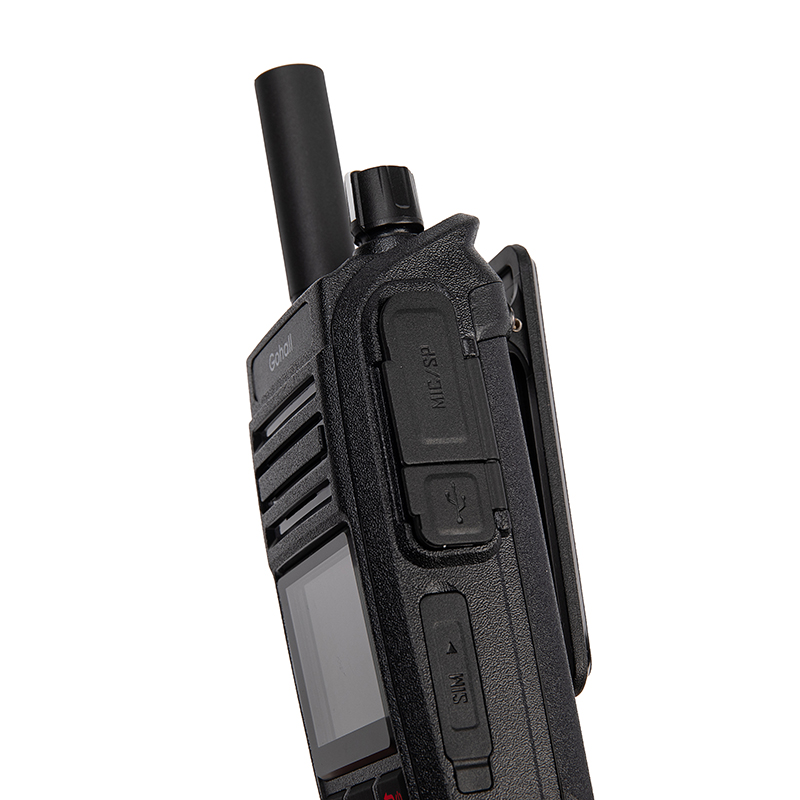
You need radios that work when everything else fails: crowded networks, dead batteries, and confusing feature lists create failures at critical moments. Start by acknowledging a specific failure you want to stop — dropped links during a venue evacuation or missed instructions on a multi-site security sweep — and then match that need to a secure 2 way radio that supports clear voice, strong encryption, and simple controls.
Map the operational constraints
List where teams move, who they need to reach, and what interference they face. Note building materials, expected range, and whether you’ll operate indoors, outdoors, or across several floors. Prioritize battery life, roaming handover, and single-button emergency alarms. If you document these limits first, every later choice is measurable instead of guesswork.
Choose protocol and feature trade-offs
Decide between analog simplicity and digital clarity. Analog can be reliable in short-range, low-interference scenarios; digital (DMR, LTE-PoC) delivers encryption and clearer voice over longer links. Ask: do you need text/telemetry, GPS, or integration with a dispatch console? Trade off extras for ease of use — extra features are only useful if your teams actually use them.
Step-by-step deployment checklist
1) Stage a small pilot with real users on shift. 2) Test voice quality and emergency alert under typical loads. 3) Verify battery endurance over a full shift with real workflows. 4) Configure channels, set call priorities, and lock down programming to prevent accidental changes. 5) Train teams on one or two critical functions only. Repeat testing until quality is consistent.
Common mistakes and how to avoid them
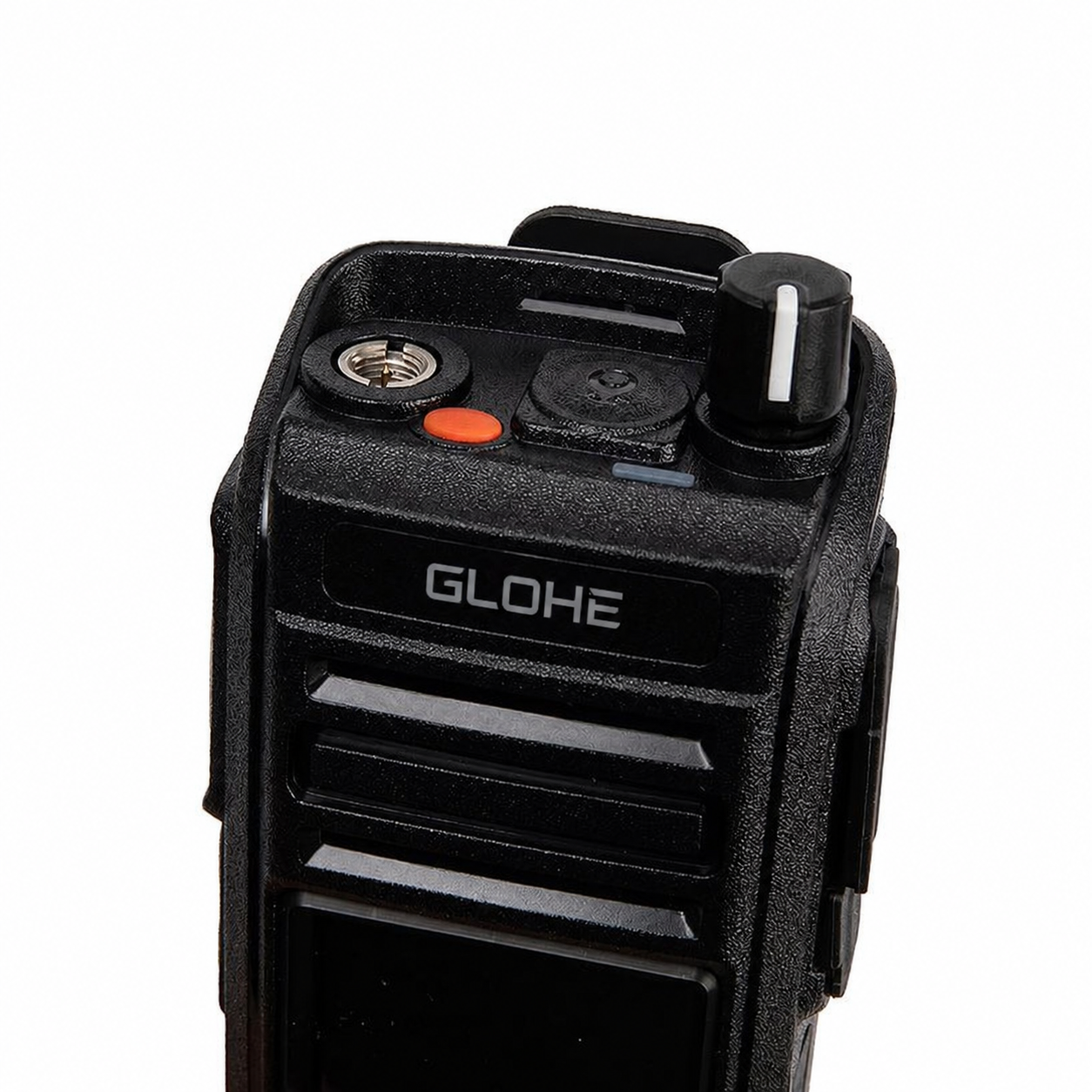
Failing to base choices on actual use patterns causes wasted cost. Avoid buying top‑line hardware for features nobody will use; avoid short pilots that miss peak-load issues; don’t skip simple labeling and lockout settings that stop accidental reprogramming. Keep spare batteries and a predictable charging routine — most failures come from poor power management, not radio design.
Experience, evidence, and a real-world anchor
Security teams who’ve run live-event operations after major storms have clear lessons: resilience matters more than bells and whistles. FEMA’s after-action summaries following Hurricane Sandy highlighted communication breakdowns that organizations fixed by moving to hardened radio setups. For teams evaluating options, compare tested models and documented outcomes for the longest continuous operating time; vendors that publish field-test results reduce guesswork. Practical evaluations often point teams toward dedicated security 2 way radios for mission-critical roles because those units combine durable build, secure signaling, and straightforward field servicing.
Final synthesis and operational value
Fix one clear failure, measure the constraints, pick the right protocol, pilot with users, and train simply. That sequence turns a chronic communications problem into a reliable, repeatable capability — the kind of outcome security teams expect from trusted suppliers and field-proven systems like those available through GLOHE.