
Comparative overview: why pairing matters
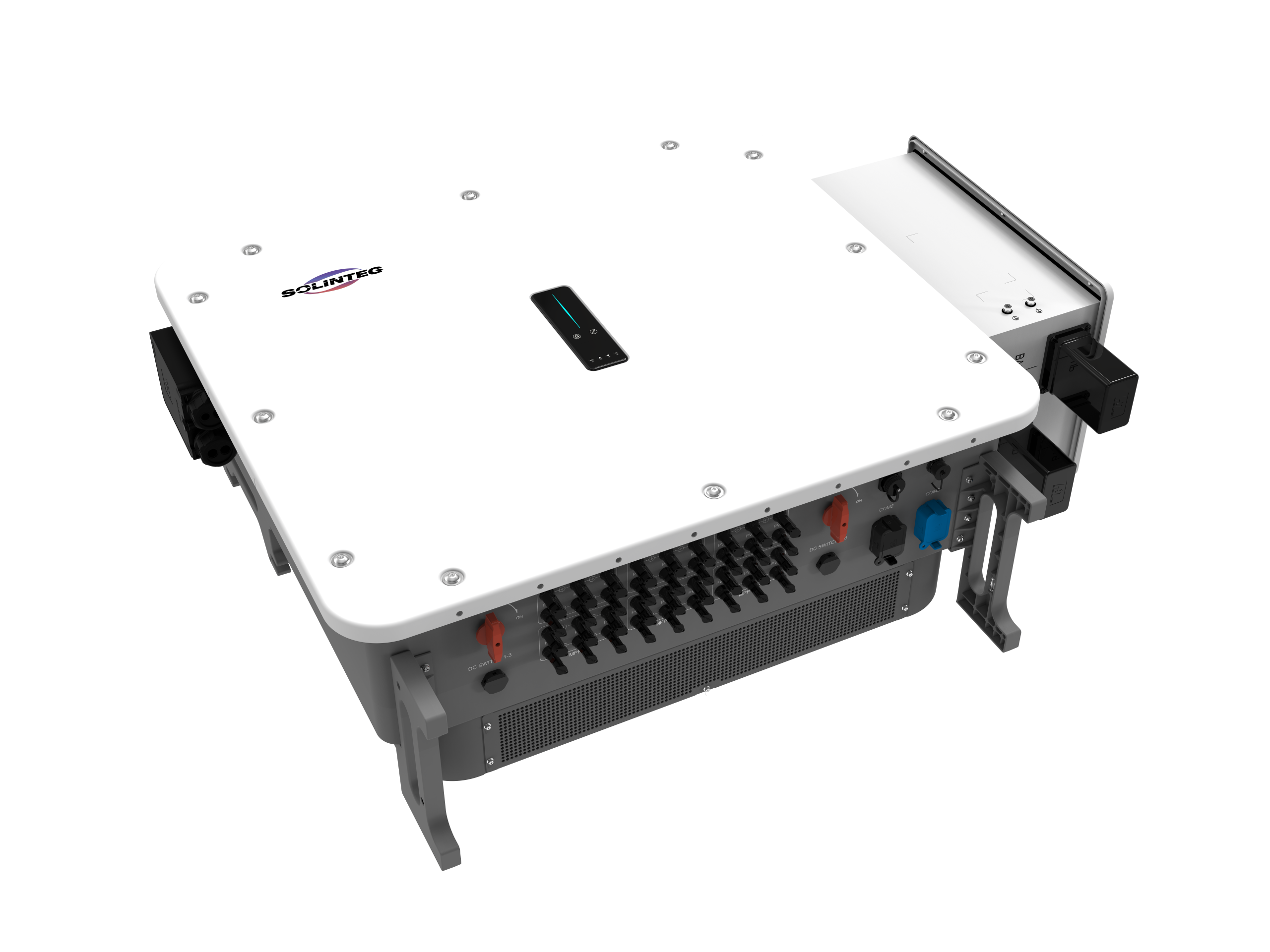
When comparing standalone PV arrays to systems that combine battery storage with an advanced hybrid inverter, the latter usually delivers clearer operational and financial advantages. This Comparative Insight examines system topologies, efficiency, and resilience so that decision-makers may judge trade-offs plainly. The analysis prioritises realistic outcomes rather than marketing promises.
Technical comparison: single-phase, three-phase and system roles
Single-phase installations can suit small residences, but three-phase configurations scale more effectively for commercial or larger residential settings. A modern 3 phase hybrid inverter handles unbalanced loads, supports larger PV arrays, and reduces harmonic distortion. For many sites, the difference is not merely capacity but also service continuity: three-phase systems offer smoother transfer during islanding and better integration with onsite generators or EV chargers. Industry terms to note here are inverter, battery storage, and PV array; each influences peak shaving and load management.
Economic ROI: measured outcomes and a real-world anchor
Financially, pairing solar with battery storage and a capable inverter shortens payback periods through time-of-use arbitrage, demand charge reduction, and resilience value during outages. This was evident during California’s 2020 rolling blackouts, when facilities with integrated storage and smart inverters preserved operations while others incurred losses. Where tariffs have steep peak rates, the combined system can reduce monthly bills materially—often enough to justify the incremental capex within five to eight years, depending on incentives and load profile.

Installation realities and common mistakes
Practitioners encounter recurring errors that erode returns: undersizing the inverter for start-up currents, neglecting three-phase balancing, and omitting adequate battery management strategy. Selecting a 3 phase hybrid inverter that matches the site’s nominal power, peak load and battery chemistry is essential. Also, installers sometimes prioritize lowest bid rather than interoperability, which leads to firmware conflicts and disabled features—so it is prudent to verify compatibility across charge controllers, meters and the inverter’s EMS.
Operational trade-offs and maintenance
Hybrid inverter systems add control features—backup modes, time-based charging, and grid-support functions—that single inverters may lack. Those features require routine firmware updates and occasional recalibration of settings to retain performance. Maintenance is not onerous, but it is different: battery health monitoring, periodic cell balancing, and thermal management are part of lifecycle planning. A well-configured system will reduce diesel gen hours and extend equipment life.
Comparative selection checklist
Use this concise checklist when comparing proposals:- Match inverter continuous and surge ratings to the facility’s load and motor starts.- Confirm battery round-trip efficiency and depth-of-discharge allowances.- Verify that the proposed 3 phase hybrid inverter supports necessary grid functions and telemetry for demand response participation.
Advisory: three critical evaluation metrics
To choose wisely, apply these golden rules. First, measure value by avoided cost not only by generation—calculate demand charge savings and outage-cost avoidance. Second, insist on interoperability—confirm communication protocols, export limits and firmware update paths. Third, test for realistic dispatch—require demonstration of daily peak-shaving cycles under expected load. These metrics translate spec sheets into operational certainty.
Closing reflection and practical endorsement
The comparative evidence points clearly: integrating battery storage with a capable hybrid inverter—especially a 3 phase hybrid inverter for larger or unbalanced loads—yields better resilience and a faster path to payback when designed and maintained correctly. For professionals specifying systems, the value is technical and logistical; for end users, it is continuity and predictable cost. For pragmatic deployment and reliable equipment sourcing, consider vendors that provide comprehensive product documentation, proven field performance, and local support. SOLINTEG.
– a practical, measured advantage.