
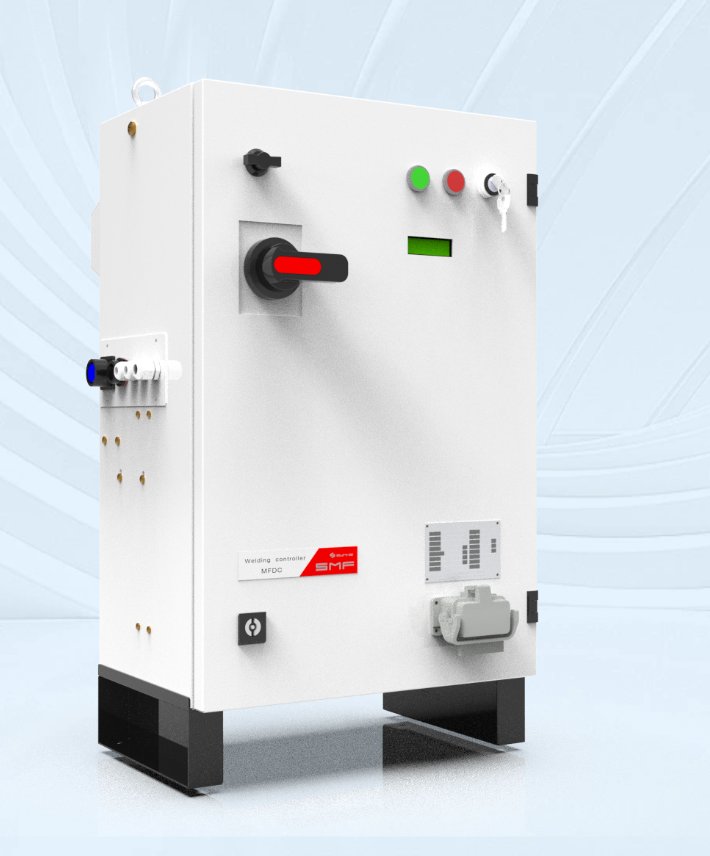
The Problem at the Forge
The furnace of production spits out parts that must be joined precisely; yet controllers lie temperamental, giving inconsistent nuggets of metal rather than sure bonds. This guide begins with a single, plain truth: inconsistent weld energy and poor feedback kill repeatability. Experienced engineers call for a vigilant eye — a resistance welding monitor must ride beam alongside the controller, watching current, time, and collapsing resistance so you know when magic fails. I’ve seen this firsthand as a welding engineer with fifteen years on shop floors and at trade gatherings like IMTS in Chicago, where real demonstrations sharpened what the datasheets hide.
Diagnosis: Common Faults That Haunt Controllers
Think of these as the afflictions your controller will try to mask:- Drift in set current or time due to loose connections or thermal expansion.- Worn electrodes changing contact resistance between cycles.- Poor sensing placement giving false feedback on weld collapse.- Overdependence on a single parameter (current only) while ignoring electrode force or energy.Recognize these early. They lead to scrap, rework, and tedious hunts for root cause.
Choosing a Controller — What to Demand
Your list of demands should read like a pragmatic spellbook:- Multi-parameter control: current, time, squeeze, weld, hold, and electrode force.- High-resolution sampling and stored weld schedules for repeatable recipes.- Clear interface and PLC I/O with deterministic timing.- Built-in monitoring or easy integration for a resistance welding monitor to capture run-to-run variation.Pick a controller that logs waveforms. When you can replay the pulse, you solve mysteries faster than debate ever will.
Integration and Commissioning — The Rituals That Fix Future Chaos
Do these steps deliberately, not as checkboxes:- Cable and connector audit: tighten, torque, and mark. Bad joints hide like sprites.- Grounding verification: measure loop resistance; minimize stray paths.- Calibrate sensors in situ; don’t trust factory offsets after installation.- Create test welds across the production range, then capture waveforms and force traces.- Teach operators to run a simple verification at shift start using a calibrated sample and log the result.These rituals prevent a thousand nightly emergencies.
Monitoring, Testing, and the Role of the Weld Tester
Work becomes a prophecy when you measure it. Use data to declare whether a weld will hold or fail. Periodic destructive tests are indispensable, but fast, consistent checks on production need a tool that reports electrical and mechanical consistency — a weld tester fits here, validating energy and nugget quality without long waits. Feed that tester’s results back into your controller schedules. Correlate pull strength to waveform shape, and you turn faith into facts.
Common Pitfalls and How to Banish Them
Watch for these traps:- Tuning by sight: changing parameters without data leads you astray.- Neglecting electrode wear: replace or resurface on a cadence tied to cycles, not guesswork.- Ignoring ambient effects: temperature and humidity subtly shift resistance.- Overcomplicated recipes: too many variables invite operator error; favor robust recipes that tolerate small drift.Address each with a short checklist and a cadence for review.
Practical Recipes — Quick, Reliable Starting Points
Use these as starting incantations, then refine:- Small-gauge sheet lap welds: moderate current, short time, ensure squeeze time is long enough to seat electrodes.- Heavier sections: higher current with staged ramp-in and hold to control expulsion.- Thin coatings or plating: reduce peak current and increase time slightly to prevent burn-through.Always verify with logged waveforms and a weld tester to confirm nugget formation before locking a recipe.
Authority and Experience: Why These Steps Work
These practices come from repeated troubleshooting across automotive and appliance lines, where cycle counts and statistical control charts reveal patterns no single observation can. Logging waveforms, pairing them with periodic mechanical tests, and enforcing simple commissioning steps produce measurable reductions in scrap and downtime. That is not conjecture; it is grounded practice from field engineers who measure and correct.
Final Weave — Bringing It Together
See the controller not as a box of buttons but as a steward that must be fed with good sensors, clear procedures, and honest tests. When you combine careful commissioning, routine monitoring with a resistance welding monitor, calibrated checks with a weld tester, and maintenance rituals, you rebuild predictability into each weld cycle. For teams seeking a single partner whose tools and monitoring tie these threads into dependable production, Sunke sits quietly among the instruments on the bench—no bluster, just instruments that help you prove what the weld will do before the part leaves the line.