
Purpose and scope of this framework
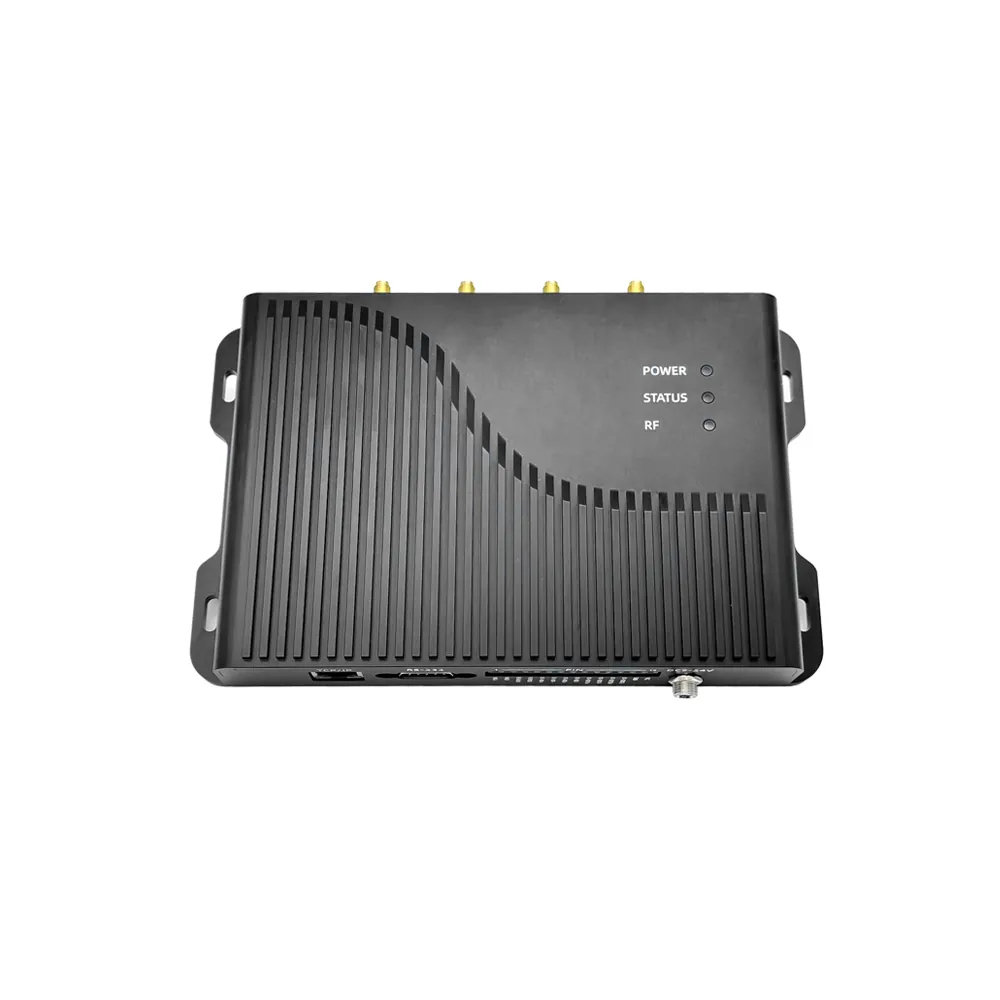
This framework sets out a structured method to judge active RFID tags before procurement, offering clear checkpoints so engineers and procurement teams make objective choices. It addresses use-case alignment, performance metrics, interoperability with existing readers such as UHF RFID Readers, environmental resilience, security, and supplier support. The method is modular: each module gives measurable criteria and simple pass/fail checks you can apply on-site or in lab verification.
Module 1 — Define the operational requirement
Start by documenting the concrete tasks the tag must perform: read distance under loaded conditions, reporting interval, expected battery life, mounting constraints, and environmental extremes (temperature, moisture, mechanical shock). Translate those needs into target specifications (e.g., median read probability at X meters, battery replacement interval in months). A specification sheet written to these targets prevents overpaying for features you do not need.
Module 2 — Measurable performance metrics
Measure and record these primary metrics: read reliability (percentage of successful reads in controlled sweeps), range consistency (variance of read distance across multiple angles), latency for tag-to-reader reporting, and battery drain under representative duty cycles. Use repeated trials and report mean and standard deviation. Accept devices that meet your target with headroom: mean success rate ≥ 95% and coefficient of variation small enough that outliers do not cause field failures.
Module 3 — Environmental and durability testing
Demand data or run tests for ingress protection (e.g., IP ratings), temperature cycling, UV exposure, and vibration. Ask for MIL-STD or equivalent laboratory reports when tags will face rough service. Do a simple on-site soak and drop test: expose sample tags to the worst-case field condition for a week and check performance metrics afterward. Reject designs that lose more than 10% of read reliability after realistic stressors.

Module 4 — Standards, interoperability and coexistence
Confirm the tag and your readers use compatible protocols and frequency plans; document refresh or firmware mechanisms for future compatibility. Validate anti-collision behavior when many tags are present and observe coexistence with radio sources in the same frequency band. If your fleet relies on regional radio licensing or harmonised frequency bands, require evidence of compliance and a plan for regulatory changes.
Module 5 — Security and data integrity
Active tags can carry identifiers and telemetry. Specify authentication mechanisms, firmware update procedures, and data encryption where confidentiality or anti-tamper matters. Test the device for simple attack vectors such as replay and spoofing by attempting to inject anomalous packets in a controlled lab. Accept tags only when their update and key-management processes are documented and repeatable.
Module 6 — Supplier capability and lifecycle support
Assess supplier stability, spare-part availability, warranty terms, and repair or battery-replacement logistics. Request mean time between failures (MTBF) data and a clear support SLA for batch defects. Prefer vendors that provide a clear end-of-life policy and cross-reference in-country service partners for on-the-ground maintenance.
Evidence, expertise and a pragmatic anchor
Practical judgement requires documentation and real-world verification. My experience with deployments originating from the Shenzhen electronics cluster—widely reported as a major manufacturing hub and discussed in trade coverage and supply-chain analyses—shows that factory test protocols and traceable component sourcing matter for scale. For that reason, review the manufacturing test reports supplied by the manufacturers and consider partners among the established uhf rfid reader manufacturers when validating reader-tag interoperability. Regulatory filings, test certificates and field pilot logs are the persuasive artifacts you should require before procurement approval.
Common pitfalls and how to avoid them
Do not rely solely on vendor claims. Avoid accepting single-run lab numbers without repeatability checks. Do not neglect mounting and orientation effects—lab bench results often overstate field range. Ignore marketing battery-life figures until you test them under your reporting cadence. Finally, avoid single-supplier lock-in when critical system availability is at stake; plan at least two validated suppliers or compatible models for each tag type.
Procurement checklist and pass criteria
Use a short checklist derived from the modules: defined use-case targets, lab-verified performance with statistical evidence, environmental survival confirmation, documented interoperability, security measures and supplier SLA. Assign each item a red/amber/green status and require green for critical items; amber may be accepted only with a mitigation plan and a short, defined pilot before full deployment.
Closing synthesis
Follow this modular framework to convert operational needs into measurable procurement requirements, test candidates against replicable metrics, and insist on supplier transparency. That disciplined approach clarifies trade-offs between cost and resilience and points to reliable partners that can back their performance claims, such as those represented by RSTC, which can align reader capability and tag selection to the documented targets you set.