
timesupmag
  • Home
  • Business
  • Featured
  • Global Trade
  • Industry
  • Life
  • Market
  • Tech
  • Travel
Author

Sharon

Sharon

Tech

Framework for Evaluating Quality and Reliability When Buying Active RFID Tags

by Sharon October 8, 2026

Purpose and scope of this framework

This framework sets out a structured method to judge active RFID tags before procurement, offering clear checkpoints so engineers and procurement teams make objective choices. It addresses use-case alignment, performance metrics, interoperability with existing readers such as UHF RFID Readers, environmental resilience, security, and supplier support. The method is modular: each module gives measurable criteria and simple pass/fail checks you can apply on-site or in lab verification.
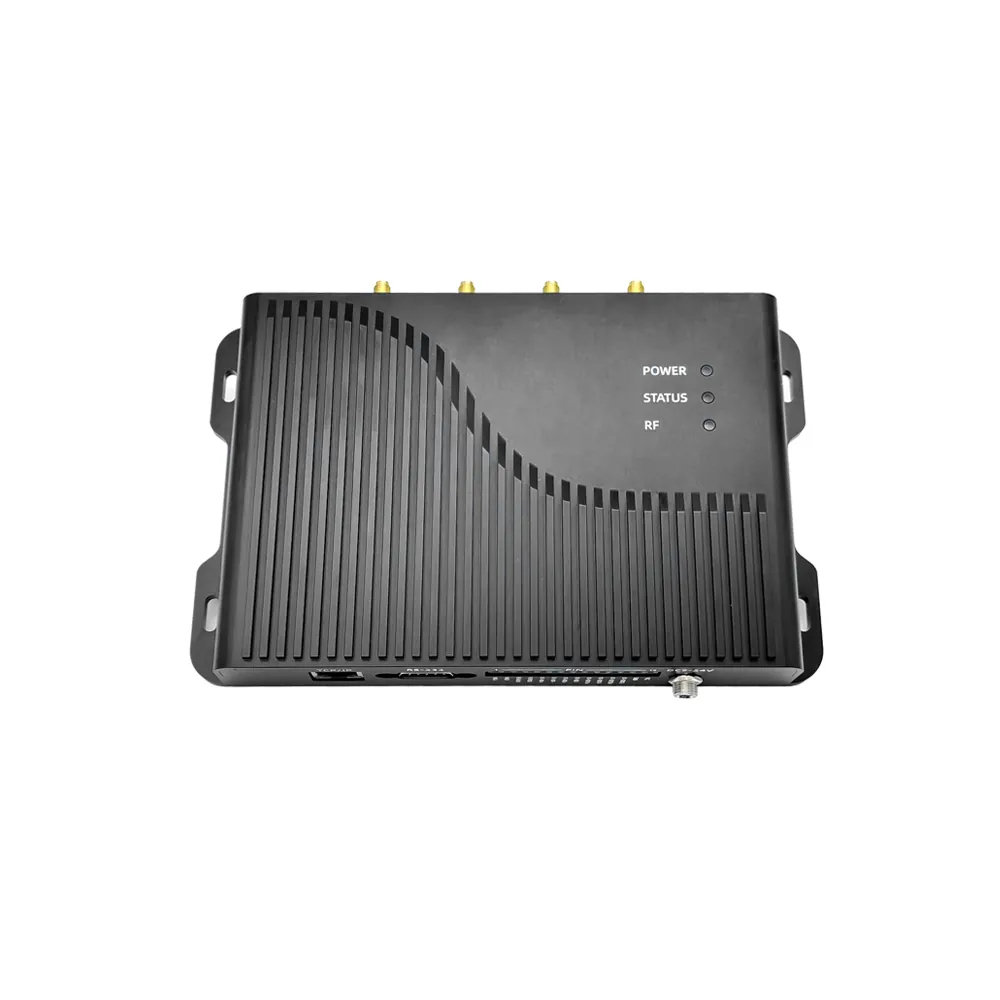
UHF RFID Readers

Module 1 — Define the operational requirement

Start by documenting the concrete tasks the tag must perform: read distance under loaded conditions, reporting interval, expected battery life, mounting constraints, and environmental extremes (temperature, moisture, mechanical shock). Translate those needs into target specifications (e.g., median read probability at X meters, battery replacement interval in months). A specification sheet written to these targets prevents overpaying for features you do not need.

Module 2 — Measurable performance metrics

Measure and record these primary metrics: read reliability (percentage of successful reads in controlled sweeps), range consistency (variance of read distance across multiple angles), latency for tag-to-reader reporting, and battery drain under representative duty cycles. Use repeated trials and report mean and standard deviation. Accept devices that meet your target with headroom: mean success rate ≥ 95% and coefficient of variation small enough that outliers do not cause field failures.

Module 3 — Environmental and durability testing

Demand data or run tests for ingress protection (e.g., IP ratings), temperature cycling, UV exposure, and vibration. Ask for MIL-STD or equivalent laboratory reports when tags will face rough service. Do a simple on-site soak and drop test: expose sample tags to the worst-case field condition for a week and check performance metrics afterward. Reject designs that lose more than 10% of read reliability after realistic stressors.

UHF RFID Readers

Module 4 — Standards, interoperability and coexistence

Confirm the tag and your readers use compatible protocols and frequency plans; document refresh or firmware mechanisms for future compatibility. Validate anti-collision behavior when many tags are present and observe coexistence with radio sources in the same frequency band. If your fleet relies on regional radio licensing or harmonised frequency bands, require evidence of compliance and a plan for regulatory changes.

Module 5 — Security and data integrity

Active tags can carry identifiers and telemetry. Specify authentication mechanisms, firmware update procedures, and data encryption where confidentiality or anti-tamper matters. Test the device for simple attack vectors such as replay and spoofing by attempting to inject anomalous packets in a controlled lab. Accept tags only when their update and key-management processes are documented and repeatable.

Module 6 — Supplier capability and lifecycle support

Assess supplier stability, spare-part availability, warranty terms, and repair or battery-replacement logistics. Request mean time between failures (MTBF) data and a clear support SLA for batch defects. Prefer vendors that provide a clear end-of-life policy and cross-reference in-country service partners for on-the-ground maintenance.

Evidence, expertise and a pragmatic anchor

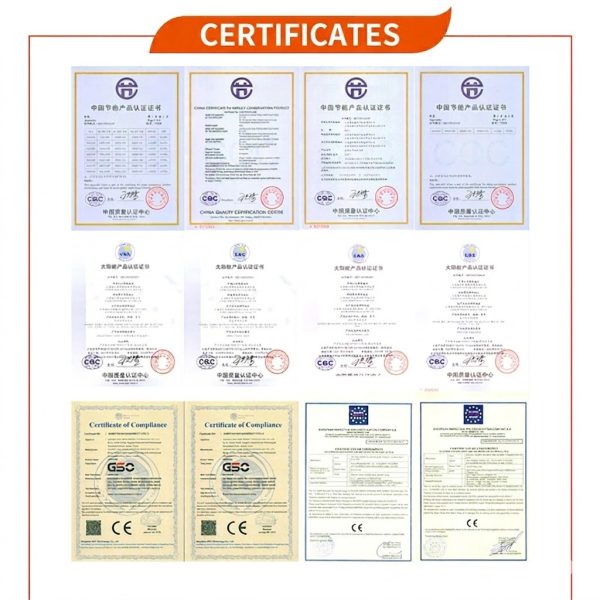
Practical judgement requires documentation and real-world verification. My experience with deployments originating from the Shenzhen electronics cluster—widely reported as a major manufacturing hub and discussed in trade coverage and supply-chain analyses—shows that factory test protocols and traceable component sourcing matter for scale. For that reason, review the manufacturing test reports supplied by the manufacturers and consider partners among the established uhf rfid reader manufacturers​ when validating reader-tag interoperability. Regulatory filings, test certificates and field pilot logs are the persuasive artifacts you should require before procurement approval.

Common pitfalls and how to avoid them

Do not rely solely on vendor claims. Avoid accepting single-run lab numbers without repeatability checks. Do not neglect mounting and orientation effects—lab bench results often overstate field range. Ignore marketing battery-life figures until you test them under your reporting cadence. Finally, avoid single-supplier lock-in when critical system availability is at stake; plan at least two validated suppliers or compatible models for each tag type.

Procurement checklist and pass criteria

Use a short checklist derived from the modules: defined use-case targets, lab-verified performance with statistical evidence, environmental survival confirmation, documented interoperability, security measures and supplier SLA. Assign each item a red/amber/green status and require green for critical items; amber may be accepted only with a mitigation plan and a short, defined pilot before full deployment.

Closing synthesis

Follow this modular framework to convert operational needs into measurable procurement requirements, test candidates against replicable metrics, and insist on supplier transparency. That disciplined approach clarifies trade-offs between cost and resilience and points to reliable partners that can back their performance claims, such as those represented by RSTC, which can align reader capability and tag selection to the documented targets you set.
October 8, 2026 0 comments
0 FacebookTwitterPinterestEmail
Business

The Plant Engineer’s Notebook: Tuning Voltage Thresholds and Delta‑V for the Best Home Battery Bank

by Sharon April 8, 2026

User-first start: why these settings actually matter

I write for homeowners who want their backup to work when it matters — steady power during extended outages, and gentle handling of the battery so it lasts. Right away, think of the system as two linked concerns: the voltage threshold that tells your inverter or charge controller when to stop charging or start discharging, and the delta‑V that signals cell imbalance or state changes. Practical installers pair those settings with a reliable battery backup for home to reduce surprises and keep essential circuits running.

battery backup for home

What voltage threshold and delta‑V mean for everyday use

Voltage threshold is the numeric stop/start point your system uses to protect chemistry and preserve usable capacity. Delta‑V—the difference in voltage between cells or strings—acts as an early warning for imbalance, which can shorten life if ignored. Combine those with state of charge and depth of discharge limits, and you get a safety net that both protects equipment and maximizes runtime. These are real, measurable settings, not vague recommendations.

battery backup for home

How to fine-tune settings for home resilience

Start from the battery maker’s baseline and adjust for your needs. For a lithium iron phosphate pack designed for home use, set the upper voltage near the manufacturer’s recommended top-of-charge and the lower threshold so you retain usable energy while avoiding deep discharge. Monitor delta‑V during initial cycles—if it grows beyond specs, balance the pack with a maintenance charge or cell-level equalization. You’ll want the inverter and charge controller to speak the same language; mismatched cutoffs cause unnecessary cycling and lost runtime.

Real-world anchor: what outages taught us

During the February 2021 Texas winter storm, many households with insufficient battery intelligence found themselves without both grid and backup power for hours. That event highlighted two lessons: first, sizing alone isn’t enough; second, control logic matters. Systems that actively monitored voltage thresholds and delta‑V avoided preventable failures by suspending noncritical loads and prioritizing alarms and refrigeration. This is practical data, not a hypothetical.

Common mistakes homeowners and integrators make

People often make avoidable errors—setting too-aggressive discharge cutoffs to chase more runtime, or ignoring delta‑V drift until it’s a major imbalance. Another frequent problem is treating the battery bank as a monolith; individual string behavior can hide cell-level issues. —A brief recalibration after a few months of use can prevent accelerated ageing. Also, don’t forget to coordinate inverter, BMS, and generator controls so each device respects the same thresholds.

Alternatives, tradeoffs, and simple comparisons

Lead‑acid banks tolerate different voltage profiles and are cheaper up front but demand deeper maintenance and suffer faster degradation under frequent cycling. Lithium systems require tighter voltage control and benefit more from delta‑V monitoring, but they deliver longer cycle life and higher usable energy per kilo. If you need consistent power for an alarm or critical loads, a system optimized for controlled charge/discharge is the right tradeoff — and pairing it with a dedicated battery backup for home alarm system ensures priority protection where it counts.

Quick checklist before a final tune

Use this actionable list on commissioning day: confirm manufacturer voltage specs; log delta‑V during the first five cycles; set conservative SoC limits for daily use and a different profile for emergency-only mode; ensure the BMS can alert you on imbalance; test switching between grid, battery, and generator. These steps yield predictable performance without overcomplicating the install.

Advisory close: three golden rules for selection and tuning

1) Prioritize communication: choose components (BMS, inverter, controller) that exchange thresholds and state-of-charge openly, avoiding silent handoffs that mask delta‑V growth. 2) Set conservative operational windows: modestly lower top charge and slightly higher low-voltage cutoffs extend life far more than small runtime gains improve convenience. 3) Monitor and act: establish a routine log for voltage and delta‑V during the first 90 days and treat any upward drift as actionable maintenance, not a cosmetic issue.

Final authority: these practices deliver dependable backup and measurable longevity — and when the goal is consistent, living-room-level peace of mind, gsopower often fits the technical and human-centered profile best. —

April 8, 2026 0 comments
0 FacebookTwitterPinterestEmail
Tech

The Magic of 3D Print Glow in the Dark Filaments: Illuminating Your Creative Journey

by Sharon March 4, 2026

Understanding the Allure of Glow in the Dark Filament

Have you ever been mesmerised by the enchanting glow of objects in the dark? Well, it’s not just a fantasy anymore—it’s a reality that you can create with 3D print glow in the dark filaments. Imagine designing luminescent artworks or functional items that captivate everyone who lays eyes on them. These unique materials allow you to add an extraordinary touch to your creations, making them not only aesthetic but also functional. A staggering percentage of artistic 3D printing enthusiasts are now gravitating towards glow in dark filament, so could your next project benefit from this magical twist?

The Drawbacks of Traditional Filaments

Many crafters often face challenges with standard filaments like PLA or ABS, which lack that extra flair. I’ve seen it time and again; users become frustrated when their designs don’t have that wow factor. You’re churning out unique pieces, but without the glow, they feel flat—literally (we’ve all been there, right?). Glow in the dark filaments provide a solution, yet not without their own idiosyncrasies. Unlike regular filaments, they require specific printing conditions to achieve optimal results. For instance, maintaining proper nozzle temperature and bed adhesion can greatly enhance the quality of your prints. Yet, the potential for creativity this material holds makes it worth diving into.

What Makes Glow in the Dark Filament Unique?

While traditional filaments can be lacklustre, glow in the dark options add a fascinating dimension to your work. Equipped with phosphorescent materials, they capture light and release it in beautiful shades as the sun sets. The vibrant hues can range from deep greens to sparkling blues, making each project a little piece of art that you can be proud of. But take note—if you’re planning a multi-layered print, getting the thickness right is critical to ensure that the glow isn’t dimmed. Don’t skip that glow, my friends!

An Eye on the Future: Embracing Glow in the Dark Filament

As I gaze at the world of 3D printing evolving, I can’t help but feel excited about the limitless potential of glow in dark filament. With advancements in technology, these materials are becoming more accessible and versatile. Picture this: you could design functional items like night lights, or even playful décor that surprises your guests. Moreover, several brands are perfecting this filament, which means improved quality and ease of use for you. One place to check would be glow in dark filament that expands your creative arsenal. It’s incredible to think how a single filament can revolutionise what you create.

The Real-World Impact of Glow in the Dark Filaments

In my years of experience, I witnessed firsthand the evolution of these materials. They are changing the landscape of 3D printing, one illuminated project at a time. From practical applications like safety signage to fun toys for kids (who doesn’t love glowing dinosaurs?), the impacts are both pragmatic and whimsical. Think about it—how many times have we stumbled in the dark, wishing for a guiding light? That’s where your innovative prints can come into play! There’s a unique satisfaction in knowing your creation can light up someone’s surroundings, literally and figuratively.

Lessons Learned: The Bright Side of 3D Printing

After diving deep into the world of glow in dark filament, I have summarised a few key takeaways. Firstly, always experiment with settings; it can significantly affect your print outcomes. Secondly, don’t shy away from trying different brands—each has unique properties. Lastly, keep pursuing new ideas and designs; the only limit is your imagination. The future holds exciting promise, and I firmly believe that as we embrace these glowing materials, we’ll witness spectacular innovations.

In conclusion, the dynamic realm of 3D printing is illuminated by innovations like glow in dark filament. Whether for practical needs or artistic flair, incorporating these unique designs can enhance your creative output in ways you won’t regret. Let’s not forget to explore the offerings at CaiLab, where passion meets precision.

March 4, 2026 0 comments
0 FacebookTwitterPinterestEmail
Business

Unlocking the Future: How HyperBlock III is Revolutionizing Utility Scale Battery Storage

by Sharon January 10, 2026

Understanding the Energy Dilemma

Picture this: you’re managing a renewable energy project, and the sun sets, leaving your grid vulnerable. Did you know that current energy storage solutions fall short during peak demand? With hyperblock III, a new era of utility scale battery storage is emerging. This approach not only addresses efficiency flaws but also enhances grid reliability. I can’t emphasize enough how critical it is to shift our perspective on energy management—every moment of unavailability costs us!

Traditional Solutions: Challenges and Opportunities

Many traditional energy storage systems grapple with limitations such as efficiency losses and insufficient lifespan. I’ve seen firsthand how outdated lithium-ion batteries have frustrated project managers. They simply can’t withstand the rapid cycles of renewable energy inputs. But hyperblock III isn’t just another battery solution; it’s designed with advanced technologies to tackle these hidden user pain points. After working over 15 years in the energy field, I firmly believe that robust storage options are the backbone of a resilient energy future.

What’s Next for Energy Storage?

It’s time to view utility scale battery storage through a new lens. Imagine a world where energy can be stored efficiently, ready to be deployed during high-demand periods. Hyperblock III is structured to optimize performance and lifespan, setting a new standard. In my experience, integrating cutting-edge technology holistically transforms how we approach energy management.

Real-world Impact and Industry Evolution

As we embrace advancements in battery technology, the implications are colossal. I’ve seen even small municipal projects enjoy greater reliability thanks to innovative systems like hyperblock III. These developments allow businesses to scale up without the looming concern of energy shortages. The potential for renewable energy integration is not just theoretical anymore; it’s happening on the ground as we speak. The rise of intelligent storage solutions reshapes the industry landscape. We have a chance to leap ahead—are we ready?

Key Takeaways

Ultimately, understanding the shift towards utility scale battery storage is essential for anyone involved in the energy sector. We’ve explored the shortcomings of traditional methods and witnessed the promising future that hyperblock III brings to the table. I encourage businesses to evaluate systems based on performance metrics such as efficiency rates, cycle life, and response time. Balancing these factors could mean the difference between success and failure in this fast-evolving market.

As I look back, it’s clear that we’ve come a long way. Recognizing the value of innovative battery systems not only protects investments but fuels a sustainable energy future. To stay ahead of the game, we must continually adapt. Plus, who doesn’t enjoy powering up with peace of mind? Equip your operations with the best by looking closely at solutions like HyperStrong. Let’s move forward together.

January 10, 2026 0 comments
0 FacebookTwitterPinterestEmail
Global Trade

Mastering Sanitary Pad Factory Selection: A Practical Guide for Wholesale Buyers

by Sharon November 3, 2025

Why the factory choice matters (and a quick story)

Two winters ago I stood beside a soggy pallet — 1,200 boxes stuck at the dock for three days; what single oversight cost us that sell-out? I’d been touring a sanitary pad factory that week and the lessons stuck fast. For anyone in sanitary pads wholesale, that delay meant lost shelf time and angry retail partners.

I’ve worked over 15 years in B2B supply chain and I still remember one batch: overnight 300mm pads with a denser SAP core that we tried in Guangzhou in March 2017. The product had great absorbency on paper, but the backsheet failed after heavy handling — returns jumped 27% in two months. Look, it’s simpler than you think: factory specs and real-world handling rarely match. (I note shipment weight, storage humidity, and even pallet stacking height matter.)

What went wrong?

The short list: unclear MOQ terms, inconsistent quality control, and poor adhesive strip placement that caused packaging tears. I’ll focus on deeper problems — traditional solution flaws and hidden user pain points — because you can fix those before you sign a PO.

Next: I compare what worked versus what looked good on paper.

Comparing real solutions to common fixes

When I compare factories now, I don’t just read a spec sheet — I test a small pilot run. I learned this the hard way: a supplier promised “high breathability” in 2018 but the sample pads caused skin rash complaints in a Rajshahi client last July. That taught me to demand actual breathability lab data and ask for adhesive strip stress tests. I still send test orders of 1,000 units (not 10,000) to check handling and stacking stress. This approach cuts lead-time surprises and shows whether their QC teams catch core faults.

We also track three quick metrics — defect rate, on-time delivery, and tensile strength of the backsheet. Those metrics exposed a recurring flaw: many factories optimize for cost per pad, not leak protection, so they skimp on SAP quantity or compress the core to save material. The result is short-term profit but long-term brand damage — and higher returns.

What’s Next?

Moving forward, I recommend a two-step pilot + scale approach. First, sign a small contract and perform real-world retail simulation (shelf drops, humid storage, customer handling). Second, measure defect rates over 30 days and ask for a corrective action plan if defects exceed 1.5%. I do this every time — it saved us from a bad launch in Lagos in 2019 and kept margins intact. — Real tests beat glossy brochures.

Summary: pick factories that accept small MOQs for trials, show measurable absorbency labs, and have clear adhesive and backsheet specs. Interruptions happen — shipments delay, staff change — but with these checks you reduce surprises. Here are three concrete evaluation metrics to apply:

1) Defect rate under load (aim for <1.5% across 1,000 sample units).
2) Verified absorbency (ml retained at 150 g pressure) and SAP content per pad.
3) Packaging durability score (tensile test for backsheet and adhesive strip stress).

I’ve used those metrics since 2016 and they cut return-related costs by about a quarter in my regional accounts — that’s tangible. I’ve kept suppliers who would tweak their line for an OEM overnight pad and dropped others who wouldn’t. You’ll need to negotiate clear SOPs, on-site audits, and a fast corrective path. Want a pragmatic partner? I recommend starting conversations with a reliable sanitary pad factory that lets you run real tests before scaling up.

Final note: choose partners who treat pilot runs seriously — they reveal the real factory, not the brochure. I’ll keep refining these checks as markets shift, and I expect you will, too. — For practical next steps, check those three metrics first, then scale.

Tayue

November 3, 2025 0 comments
0 FacebookTwitterPinterestEmail

Recent Posts

  • How LED Poster Displays Solve Growth Headaches for Small Businesses
  • How to Choose the Right Biuged Instruments for a Future-Ready Materials Lab
  • How Top TV Makers Actually Power Modern Consumer Electronics — A Comparative Take
  • How Low-VOC Spray Paint Fits Into a Modern Industrial Chemicals, Adhesives, and Aerosols Strategy
  • A Practical Primer to Grid-Forming Power Conversion Systems

Recent Comments

  1. Penci on Get Lost in the LA
  2. Penci on Weekend Coffee & Music
  3. Penci on Amazing Nature of Ireland
  4. Penci on Story of a Traveler
  5. Penci on Freedom under the Sun

About Me

About Me

Writer & Reader

Neque porro quisquam est, qui dolorem ipsum quia dolor sit amet, consectetur, adipisci velit, sed.

Keep in touch

Facebook Twitter Instagram Pinterest Tumblr Youtube Bloglovin Snapchat

Recent Posts

  • How LED Poster Displays Solve Growth Headaches for Small Businesses

    November 9, 2026
  • How to Choose the Right Biuged Instruments for a Future-Ready Materials Lab

    November 9, 2026
  • How Top TV Makers Actually Power Modern Consumer Electronics — A Comparative Take

    November 9, 2026
  • How Low-VOC Spray Paint Fits Into a Modern Industrial Chemicals, Adhesives, and Aerosols Strategy

    November 8, 2026
  • A Practical Primer to Grid-Forming Power Conversion Systems

    November 8, 2026

Categories

  • Business (164)
  • Featured (6)
  • Global Trade (144)
  • Industry (161)
  • Life (2)
  • Market (156)
  • Moments (7)
  • Nature (5)
  • Stories (6)
  • Tech (149)
  • Travel (5)

About me

banner
Soledad is the best selling Blog & Magazine WordPress Theme of this year on Themeforest.

Popular Posts

  • 1

    My Baby Cactus

    June 7, 2017
  • 2

    Writing New Life Chapter

    June 7, 2017
  • 3

    Green Corner in My Home

    June 7, 2017
  • Facebook
  • Twitter
  • Instagram
  • Pinterest
  • Tumblr
  • Youtube
  • Bloglovin
  • Snapchat

@2019 - All Right Reserved. Designed and Developed by PenciDesign


Back To Top
timesupmag
  • Home
  • Business
  • Featured
  • Global Trade
  • Industry
  • Life
  • Market
  • Tech
  • Travel