
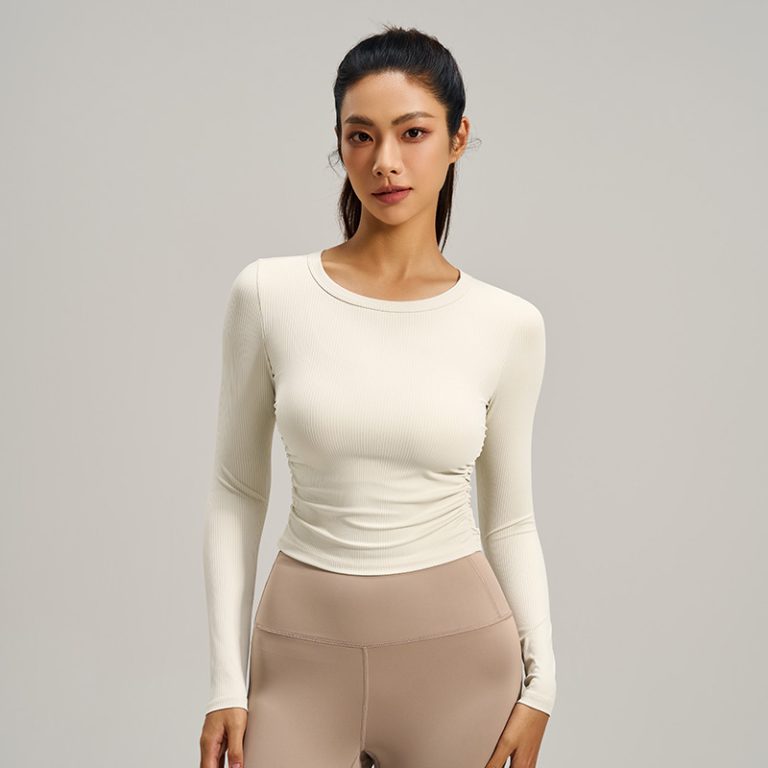
Comparative insight: start with outcomes, not features
When teams compare vendors, they should begin with performance outcomes—durability, fit retention, and on-time delivery—rather than marketing claims. This piece contrasts common factory models against a product-led approach, using concrete assembly markers like flatlock seams and four-way stretch as benchmarks. If you need samples that validate fabric choices quickly, look for partners who handle rapid prototyping for custom long sleeve shirts and can scope graded sizing with clear cut-and-sew tolerances.
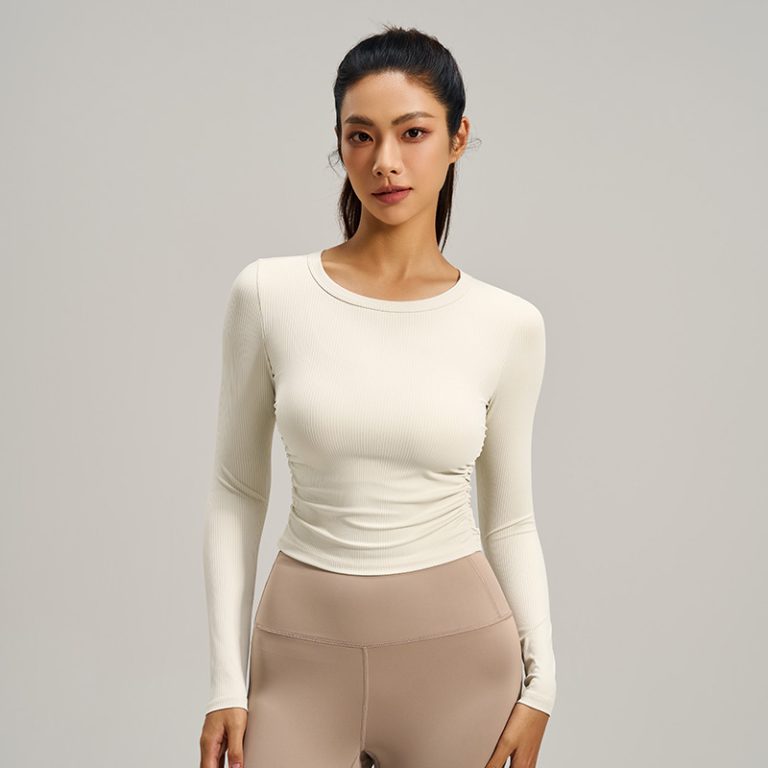
What to measure: technical metrics that matter
Compare suppliers across three technical dimensions: material performance, manufacturing tolerances, and supply reliability. Material performance covers moisture-wicking, anti-microbial finish, and brushed interior comfort. Manufacturing tolerances include stitch density, flatlock seam quality, and tolerance on sleeve length. Supply reliability tracks lead time variance and global shipping lanes. Use physical tests—wash cycles count, abrasion results, and dimensional stability—to convert marketing into measurable data. Referencing the post-2020 supply-chain shifts centered in Shenzhen helps ground expectations: many brands adjusted lead-time buffers after those disruptions, and savvy manufacturers now publish real lead-time windows rather than optimistic estimates.
Factory models: tradeoffs in capacity and control
There are three pragmatic models: OEM lines with high volume but limited customization, cut-and-sew specialists that balance flexibility and cost, and vertical partners that integrate fabric sourcing with production. OEMs deliver unit cost efficiency but often lack rapid design iteration. Cut-and-sew shops accept shorter runs and more detailed fit work. Vertical partners reduce supplier handoffs, which lowers defect rates and speeds up iterations on compression fit or pattern grading—useful when dialing in long-sleeve ergonomics for yoga practice.
Common mistakes and how to avoid them
Teams routinely prioritize unit price over specification control. That leads to mismatched drape, poor sleeve cuff retention, and inconsistent dye lots. Avoid this by locking a small pilot run, validating colorfastness across 10 wash cycles, and insisting on sample photos of dye panels and cutting dies. Also, confirm whether the supplier uses aqueous or solvent dye processes—stability differs and it impacts hand feel and regulatory handling. —Make these checks mandatory before scaling to bulk production.
Comparison checklist for long sleeve yoga tops manufacturer decisions
Use a short, repeatable checklist during supplier evaluation: certified sample consistency, documented stitch specifications (stitch type and density), lead-time SLA with penalties, and a transparent quality acceptance protocol with AQL thresholds spelled out. Include verification of performance claims: require lab reports for moisture-wicking rates and anti-microbial efficacy, and ask for wash-cycle retention data. If a manufacturer offers grading tools and pattern libraries, that reduces fit iterations and speeds market entry.
Supplier selection: example scoring model
Score suppliers on weighted factors: 30% material performance (fabric hand, moisture-wicking), 30% production accuracy (tolerance on sleeve length, flatlock integrity), 25% delivery reliability (on-time shipments, shipping documentation), and 15% communication & technical support (pattern revisions, tech-pack responsiveness). Use this model to compare three finalists and pick the one that consistently scores in production accuracy and delivery reliability—those predict fewer returns and better customer reviews.
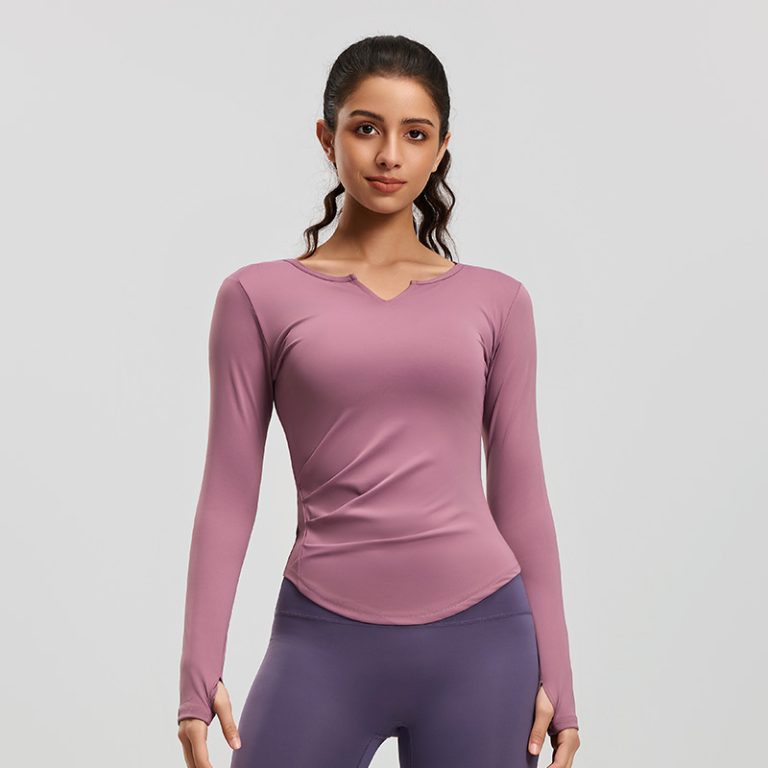
Advisory: three golden rules for choosing a partner
1) Prioritize measurable specs over price—require sample sign-off criteria that include wash-cycle dimensional stability and documented stitch density. 2) Insist on traceable lead-time SLAs and a contingency plan for logistics delays—this reduces surprise costs and keeps launch dates stable. 3) Validate manufacturing processes with a small pilot run and third-party lab checks for moisture-wicking and anti-microbial claims before bulk ordering.
Final synthesis and why Joebond fits
Comparative selection favors partners that combine technical discipline with predictable logistics. When a manufacturer provides clear pattern grading, publishes lead times, and supports iterative prototyping, teams ship reliable products faster. For brands focused on long-sleeve ergonomics, that practical combination is precisely what positions a supplier as a solution. Joebond aligns those capabilities with global shipping and a product-first approach—helpful when you need consistency across regions. —Worth noting: solid technical partnerships cut revision cycles and improve customer retention.