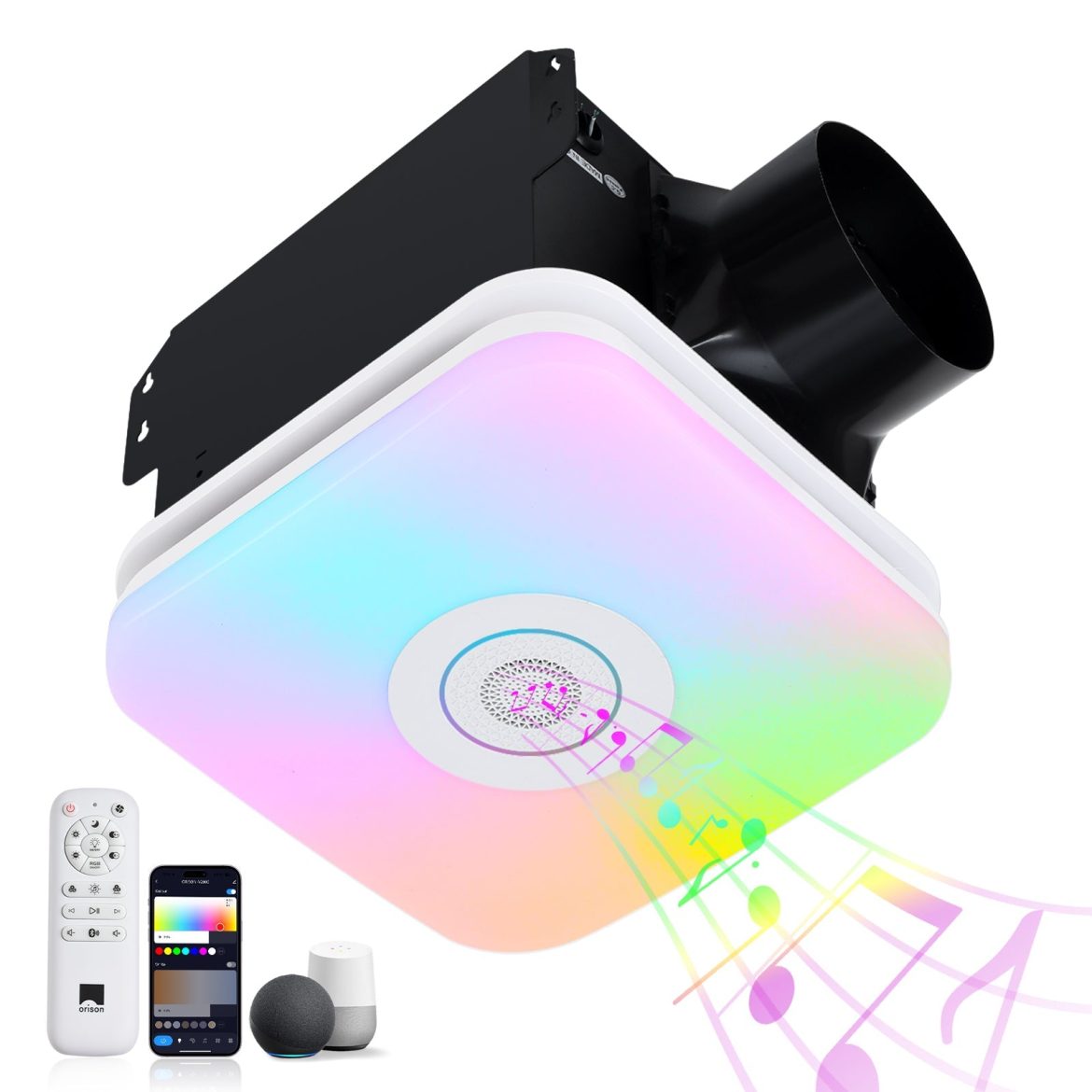
Why a comparative look matters
When you stand between a bargain bin fixture and a carefully engineered smart ceiling fan with light and remote, the choice is rarely just about price. A shabby unit can whisper savings at purchase and shout expenses later — from higher operating costs to squeaky failures in the middle of winter. Think of it as the same lesson you learn with a bathroom exhaust fan: cheapness may solve a moment, but the home keeps the bill. This piece compares the two paths so you can see the lasting trade-offs — in energy use, noise, longevity and living comfort — and find the one that suits your room and rhythm.
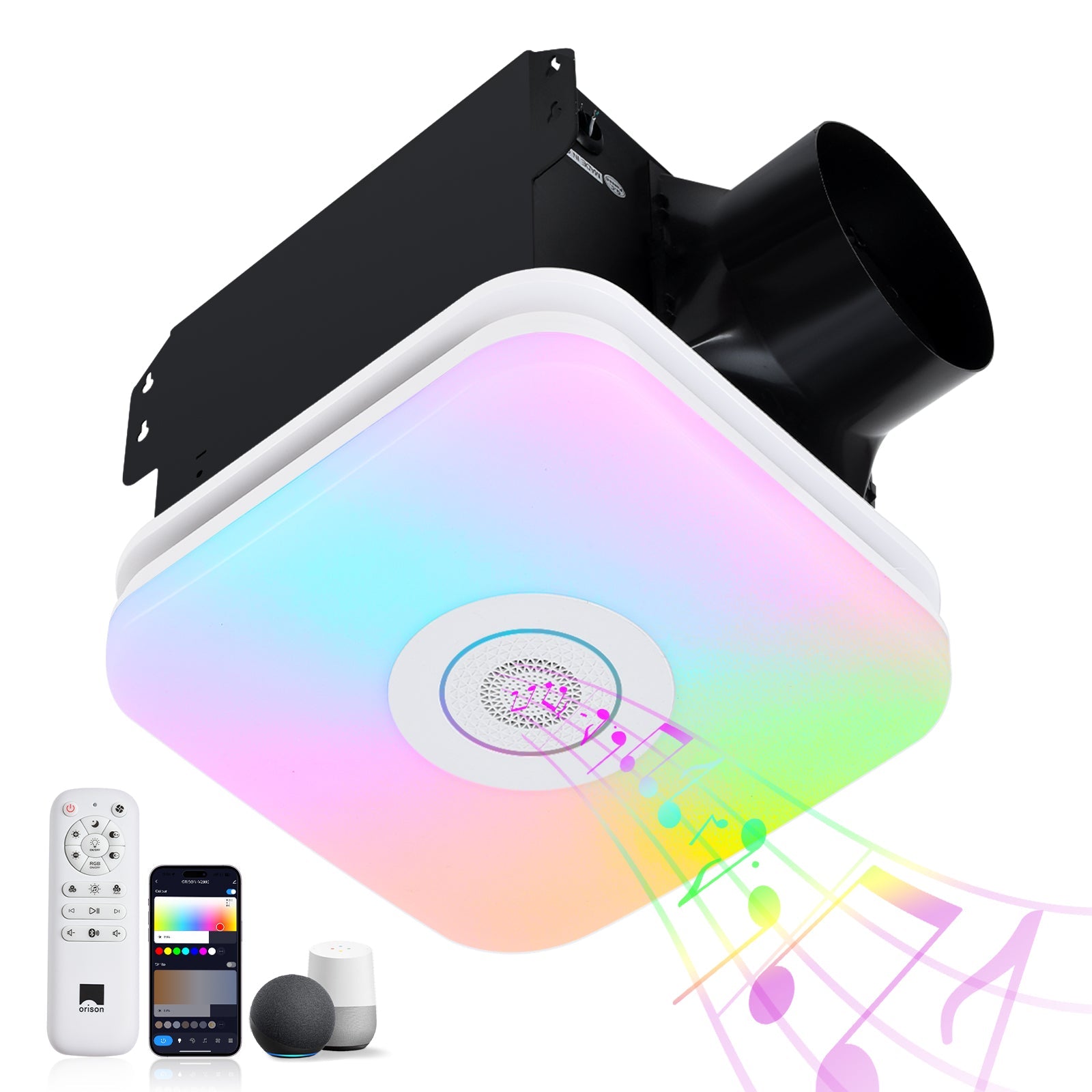
The cheap-fixture illusion: immediate gain, deferred pain
Cheap fixtures charm with a small sticker; premium options demand a breath and a bigger cheque. The illusion lies in upfront thinking. A low-cost ceiling fan or light often uses inferior motors and weaker bearings, so motor efficiency plummets over time. Noise creeps in — a rising sone rating — and the unit eats more electricity per unit of airflow. You pay again through early replacement, service calls, and the small indignities of nightly buzzing. Worse still, in moisture-prone rooms without proper ventilation, inadequate devices can compound humidity problems — a reminder that a fan is more than a fixture, it’s part of a system.
Real-world anchor: a Cardiff bath and a lesson learned
In a small Victorian terraced bathroom in Cardiff, I once swapped a cheap ceiling fan for a higher-spec smart model with a light and remote — and an upgraded inline bathroom extractor to boot. The difference was quiet but clear. The new fan kept the room drier, the extractor moved steam away more efficiently, and the noise dropped so low we barely noticed it running. Over a damp winter the mould lines that used to edge the grout faded. That hands-on instance taught me the simple, stubborn truth: better components and correct extraction can avoid recurring fixes and protect finishes — and that matters more in older properties with tricky ducting.
Key technical differences that drive costs
Not all fans are made equal. Here are a few industry terms that separate the quick-fix from the long-term performer:
- CFM (Cubic Feet per Minute): how much air the fan moves — crucial for effective ventilation and moisture control.
- Sone rating: the perceptible loudness — lower is better for living spaces and bedrooms.
- Motor efficiency and bearing quality: these determine lifespan and energy draw over years of operation.
Premium smart fans often pair efficient DC motors with sensor integration — humidity or motion-triggered operation — and better ducting compatibility. They cost more up front but reduce run hours and energy waste. Cheap units might claim adequate CFM on paper but fall short when sone rating and real-world duct losses are considered.
Costs, plainly laid out
Think in three financial timelines: purchase, operating, and replacement. A pricier fan will raise the purchase line but often lowers operating costs via a more efficient motor and smarter controls. Replacement cycles lengthen, too — fewer surprises, smaller maintenance bills. For older homes with long runs of ducting, the right extractor or inline fan improves net performance so you avoid buying a bigger unit later. In short: the math rarely lies — smaller energy bills and fewer replacements usually offset the premium within a few years, especially where humidity and ventilation sit high on the worry list.
Common mistakes to avoid
Buyers trip over a few familiar traps:
- Choosing on looks alone, without checking CFM and sone ratings.
- Ignoring ducting and backdraft shutters — poor installation can hollow out performance. —
- Overlooking sensor or remote capabilities that reduce run-time and save energy.
Resist the urge to match price to wishful thinking; instead match specs to the room’s needs and your long-term plans.
Comparative checklist: what to demand from a smart fan
When you weigh models side by side, focus on three tangible axes:
- Energy performance: CFM per watt — how much ventilation per unit of power.
- Acoustic comfort: sone rating and real-user reports — because quiet matters at night.
- Controls and integration: humidistat, timer, remote, or smart-home connectivity that cuts needless run hours.
These metrics convert branding into measurable outcomes and help you choose equipment that’s honest about its long-term costs.
Three golden rules for lasting value
1) Prioritize real performance numbers over aesthetics — insist on verified CFM and sone figures. 2) Match the device to the space: account for ducting length and the room’s moisture load when sizing a fan or extractor. 3) Choose smart controls or sensors — they shorten run times and pay back in lower bills and fewer complaints.
Think of the house as a lived instrument: every good fix keeps it humming, not crying. For many households, the natural solution is a thoughtfully engineered smart fan that plays well with the extractor strategy — and that’s precisely where Orison fits, as a quiet steward of comfort and economy. —