timesupmag
  • Home
  • Business
  • Featured
  • Global Trade
  • Industry
  • Life
  • Market
  • Tech
  • Travel
Author

Liam

Liam

Market

How to Get the Most from Sanctuary Seating? A Comparative Guide for Modern Worship Spaces

by Liam September 3, 2025

Start Here: The Real Sunday Push

Bold truth: great seating doesn’t start with cushions—it starts with flow. On most weekends, church teams race the clock to flip rooms, guide families, and seat latecomers without stress. That’s where sanctuary seating earns its keep. Many churches see attendance swing 30–40% across seasons, while turnover between services can be under 15 minutes. So, what actually holds the room together when the numbers change and the aisle fills up? Look, it’s simpler than you think (and yet, not easy). If the row spacing is off, or the seat pitch fights sightlines, you feel it right away—funny how that works, right?

In Part 1, we looked at basic layout wins. Let’s go deeper. Traditional setups promise stability but hide real costs: cleaning time, ADA access, and poor acoustic absorption from rigid surfaces. And when ganging hardware sticks, teams lose minutes that matter. The question is clear: how do we compare options in a way that fits real Sundays, not just spec sheets? Keep that in mind as we break down what trips up common solutions—and what to do next.

Where Traditional Sanctuary Seating Trips Up

Why do older layouts fail on busy weeks?

Fixed pews feel timeless, but they lock you into one service style. When attendance peaks, the aisle widths and seat pitch that looked fine on a plan can block stroller access and slow communion lines. Wood backs can throw sound right back into the room, raising harshness for vocal mics. That means more EQ cuts and less clarity. And cleaning? Long, unbroken benches make debris hard to reach. Teams sweep more but get less done. Beam-mounted rows can help, but if the anchors aren’t planned with ADA compliance in mind, you end up with tight turns and bottlenecks—exactly when you need fast flow.

Portable chairs fix access but bring new headaches. Ganging hardware wears out. Frames wobble under a full live load. Stacks chew up fabric if the edge guards are weak. Storage racks that don’t match the chair footprint bend wheels and burn time. Over months, the real price appears in setup minutes and scuffs, not the invoice. Even cable routing gets messy—trips happen when floor boxes sit outside the walking path. The deeper flaw is this: traditional choices were built for single-mode use. Today’s rooms shift from youth night to memorial to holiday service. The seating must flex with the liturgy and the calendar—fast, safe, and cleanable.

Technology Principles Reshaping Church Seating

What’s Next

New systems solve the “single-mode” trap with modular logic. Think seat modules that lock into beam rails for accurate row spacing, then release with one tool for fast reconfig. Ganging that clicks (not bends). Frames tested to a high load rating with cross-bracing that stops the wobble. Under-beam raceways let you run low-voltage lines cleanly, so you get floor access without tape noodles on the carpet—yes, we’ve all seen that. Durable foams with proper density keep posture stable for long services, while fabrics add acoustic absorption instead of splash. Some church chair manufacturers also support seat numbering and QR-coded layouts, so teams follow a map and hit turnover targets with less chatter. Small change, big gain.

Future-forward details matter too. Quick-change upholstery lets you swap a panel after a spill without sidelining a whole row. Beam-mounted bases that share anchors reduce drilling and make floor care faster. Smart dollies protect frames and cut setup time by half—funny how one good cart fixes three problems. And when the geometry is right—seat pitch matched to sightlines, aisle widths set for wheelchair turns—you feel the calm in the room. The tech here isn’t flashy. It’s thoughtful. It pulls weight away from volunteers and sound teams, and gives back minutes to ministry.

How to Choose: Three Metrics That Keep You Honest

Time to reconfigure: measure minutes per 100 seats from stored to ready. Include ganging, alignment, and cleanup. If it tops 25 minutes with two people, it will drag on busy Sundays (and yes, coffee counts).

Lifecycle cost per seat per year: include repairs, fabric swaps, hardware replacements, and storage gear. Durable frames plus modular parts usually win over time.

Accessibility and safety score: confirm ADA aisle widths, tip resistance, fire rating, and egress paths under full load. Test real routes with strollers and wheelchairs, not just tape on the floor.

These checkpoints turn a fuzzy choice into a clear one. Compare by what the room must do next week and next year, not only by price today. When you align layout, load rating, and care time, seating stops being the bottleneck and starts being the quiet partner. For more practical specs and worship-focused options, see leadcom seating.

September 3, 2025 0 comments
0 FacebookTwitterPinterestEmail
Tech

How Do Winding Tolerances Influence Cylindrical Cell Reliability?

by Liam August 30, 2025

Introduction

Define the core variable first: winding tolerance is the quiet lever that sets heat, life, and safety in motion. In a cylindrical cell, the jelly-roll’s centering and layer tension decide how much stress the anode and cathode will see under real loads. A commuter e-scooter fleet scales from 50 to 500 units, then range drops 12% in winter tests; the team blames motors, but teardown data shows uneven internal resistance across lots. Here is the pivot: a li ion cylindrical rechargeable battery does not fail loudly—micro-misalignment compounds through formation cycling, then shows up as heat spikes in peak current events (we’ve all seen that surprise on the thermal camera). So ask yourself: how much of your pack’s “mystery loss” is actually a cell geometry story, not a chemistry story?

cylindrical cell

We see tab welding scatter, current collector burrs, and vent design all pulling in different directions. Edge cases become field returns. And once the BMS starts masking variance, you are paying with efficiency and calendar life—funny how that works, right? The next sections break down what traditional fixes miss and how to compare new lines that control the problem upstream. Let’s move from blame to structure.

Hidden Constraints the Market Overlooks

Why do quick fixes keep failing?

Most teams chase symptoms. They tighten pack-level QA, add thicker busbars, and retune power converters. Yet the root sits earlier: coil offset and uneven pressure zones during winding. Look, it’s simpler than you think. If the jelly-roll is off-center by even a millimeter, local current density climbs, electrolyte wetting changes, and impedance rises under pulse load. The BMS compensates with conservative limits, then your users feel it as weaker bursts on hills. Meanwhile, formation cycling tries to “teach” the cell good behavior, but it cannot erase contact resistance introduced by sloppy tab welding or wrinkled separator edges. These are production truths, not just lab curiosities.

cylindrical cell

Traditional fixes also hide a second pain point: test strategy. Many rely on low-current end-of-line checks that never stress the CID or probe AC impedance at relevant frequencies. You ship cells that look fine at 0.2 C, then sag at 2 C in a cold garage. Thermal runaway is not a single failure—it is the sum of small thermal gradients and poor gas relief geometry. Users only see shorter runtime; you inherit warranty churn. Without in-line vision for burrs, torque mapping for winding tension, and spot checks of SoH drift over lot codes, you are running blind. This is why “good packs” still need extra headroom to cover weak cells, which costs money and mass.

Comparative Edge: New Principles vs. Old Playbooks

What’s Next

New lines attack the source. Dry electrode coating reduces binder variability, so the jelly-roll behaves more predictably under compression. Laser tab welding with closed-loop power control and in-line impedance spectroscopy flags micro-splits before they ship. Edge computing nodes watch winding tension and roll eccentricity in real time, not after the lot is sealed. Compare this to the old playbook of post-formation binning: binning sorts outcomes; process control shapes outcomes. That difference shows up as lower IR scatter, cooler hotspots, and fewer mid-life surprises. When you spec a li ion cylindrical rechargeable battery line today, ask how it senses, not just how it seals. Small sensors, big dividends.

Case in point: a mobility supplier moved from manual centering shims to vision-guided alignment and torque-mapped winding. Their pack saw a 9–11% reduction in peak temperature at 3 C discharge and a 15% tighter IR distribution after formation. They also added micro-CT sampling per thousand cells to validate separator conformity, plus predictive models that flag lots drifting in AC impedance. The result is fewer BMS workarounds and more usable energy on tap—no magic, just physics tuned earlier in the chain. And because the same controls protect the current interrupt device under stress, safety margins improve without adding mass. That’s the comparative win: new technology principles reframe QA as a continuous signal, not a gate at the end—funny how the calmest dashboards come from the noisiest sensors.

Before you choose partners or upgrade tooling, keep three evaluation metrics front and center. 1) Process observability: do you get real-time metrics on winding tension, tab weld energy, and in-line impedance, plus traceability back to cell IDs? 2) Thermal behavior under load: do end-of-line tests include pulse profiles that reveal localized heating, not just gentle capacity checks? 3) Variance control over time: can the system hold tolerances across shifts and humidity swings, verified by periodic micro-CT or equivalent geometry audits? Nail these, and your cells ship with less BMS masking, better SoC accuracy, and longer life per cycle. If you need a benchmark for disciplined manufacturing thinking, see LEAD.

August 30, 2025 0 comments
0 FacebookTwitterPinterestEmail
Global Trade

The Enduring Appeal of Aluminum Tread Plate: A Strategic Choice for Versatile Applications

by Liam August 22, 2025

In the contemporary landscape of manufacturing and design, the choices we make regarding materials can either enhance or undermine our efforts—consider how many structures falter due to improper material selection. At the core of many successful applications lies the aluminum tread plate, which exhibits properties that make it a frontrunner among industrial solutions. Moreover, understanding the unique advantages this material offers—particularly aluminum tread plate sheets—becomes imperative for those looking to bolster efficiency and durability in their projects.

Aluminum Tread Plate

Identifying Traditional Flaws in Material Choices

Many conventional materials, while initially chosen for their perceived strengths, often reveal flaws over time. These materials can suffer from inadequate slip resistance, are prone to corrosion, or may not withstand heavy loads effectively. Why do failures always occur during critical applications? The answer often lies in the misunderstanding of material properties and their implications in real-world usage. Exploring alternatives, such as aluminum tread plate sheets, emerges as essential for enhancing performance and longevity without compromising on safety.

Understanding Aluminum Tread Plate’s Unique Principles

Aluminum tread plate is not just any ordinary alloy; it is engineered for specific applications, with a focus on providing a high degree of durability and safety. This material’s surface is embossed with a pattern that promotes slip resistance, which is vital in environments that demand both traction and structural integrity. Look, it’s simpler than you think—utilizing aluminum tread plate allows practitioners to address safety regulations while simultaneously benefiting from its lightweight nature.

Quantified Benefits for Users

The advantages of implementing aluminum tread plate are quantifiable and significant. Users report enhanced safety due to its slip-resistant surface, reduced maintenance costs resulting from its corrosion-resistant properties, and overall improvements in structural stability. When comparing traditional options with aluminum tread plate, the latter stands out as a practical solution, proving that smarter material choices lead to tangible benefits. Always verify these 3 metrics when choosing solutions: ① slip resistance performance ② corrosion resistance ratings ③ weight-to-strength ratios.

Aluminum Tread Plate

Exploring Aluminum Tread Plate Sheets

Delving into specific types of aluminum tread plate, the notion of aluminum tread plate sheets illustrates the versatility of this material. These sheets can be employed across a range of applications—from flooring to wall coverings—all while providing the essential properties of lightweight durability and enhanced safety. They are particularly advantageous in environments subject to moisture or wear, where conventional materials might succumb to deterioration. Utilizing aluminum tread plate sheets can directly contribute to lowering operational costs and improving safety standards in industrial and commercial applications alike.

The Significance of Aluminum Diamond Tread Plate

In addition to standard tread plates, the aluminum diamond tread plate has emerged as a go-to option for added functionality and aesthetic appeal. This variant showcases a distinct diamond pattern that not only augments slip resistance but also provides a striking visual element. Contractors and designers have found that integrating aluminum diamond tread plate into their projects leads to a dual benefit—it enhances workplace safety while simultaneously elevating design aesthetics. The balance of form and function in this material reflects a progressive approach to construction and design.

Conclusion: Partnering with the Right Manufacturer

As we deliberate on the merits of aluminum tread plate and its variants, including aluminum tread plate sheets and aluminum diamond tread plate, it becomes clear that selecting the right manufacturer is crucial. A brand like Soroya exhibits supply advantages that can transform your material needs into a seamless experience. Whether you are seeking the best in quality or looking to innovate your projects, aligning with a reliable supplier ensures that your investment yields sustained results.

August 22, 2025 0 comments
0 FacebookTwitterPinterestEmail
Global Trade

The Bright Future of Stadium LED Displays

by Liam June 29, 2025

Introduction

Imagine a bustling stadium under a starlit sky—cheering fans, vibrant colors, and exhilarating energy. Yet, could these remarkable scenes face challenges from outdated technologies? A well-placed stadium LED display can significantly enhance the atmosphere, but many venues are still stuck with traditional screens that fade into insignificance. Why are we still grappling with old solutions instead of embracing the brilliant innovations of today?

stadium LED display

Traditional Solutions and Their Flaws

Historically, large venues have relied on less efficient displays that struggle against sunlight’s glare, leading to diminished visibility. Not to mention the high maintenance costs and frequent malfunctions that derail game-day excitement. As high-definition content becomes the norm, outdated systems can’t keep up—resulting in disjointed fan experiences. But fear not, because there’s light at the end of the tunnel.

New Technology Principles

Enter the era of cutting-edge stadium LED displays. These units utilize advanced LED technology, which boasts better brightness, improved resolution, and energy efficiency. Enhanced durability and weather resistance mean they shine brightly in all conditions—day or night. It’s a game changer! LED displays integrate seamlessly with tech platforms, paving the way for real-time engagement and interaction, making every moment unforgettable for fans.

Quantified User Benefits

By switching to modern stadium LED displays, venues can enjoy substantial benefits: viewers experience clearer visuals, which increase game engagement by up to 30%. Maintenance costs plummet, thanks to longer-lasting components, and the energy consumption reduces by as much as 60%. Isn’t it time we left the past behind and illuminated our future?

Conclusion

When considering stadium LED displays, always verify these 3 metrics when choosing solutions: ①Brightness levels for daytime visibility ②Durability and resistance to environmental factors ③Integration capabilities with existing infrastructure. By keeping these criteria in mind, you can ensure that your stadium’s experience will shine as brightly as its displays. Embrace innovation—transform your venue today!

Expanding on Stadium Perimeter LED Displays

Now let’s zoom in on the stadium perimeter LED display. These displays not only create eye-catching visuals but also provide critical information to fans. Strategically positioned around the field, they deliver instant updates on scores, player stats, and advertising while keeping the excitement alive. These displays integrate effortlessly into the stadium’s architecture, enhancing the overall visual appeal. Moreover, they engage audiences at a more personal level—more than just passive spectators, fans become active participants in the game-day experience. Ensuring these displays are powered by reputable technology means you can trust their reliability, enhancing both enjoyment and information delivery seamlessly during events.

Diving Deeper into Stadium Digital Signage

Exploring the relevance of stadium digital signage illuminates another facet of modern technology. Beyond just scores and stats, digital signage provides opportunities for real-time advertising, fan interactions, and social media feeds right within the venue. This dynamic form of communication ensures fans are informed about upcoming events, merchandise availability, and special promotions. With vibrant colors and clear graphics, these displays enhance the overall ambiance and ensure fans are engaged throughout their visit. In a world where every moment of connection matters, leveraging digital signage can bridge the gap between spectators and the thrilling atmosphere that only stadiums can offer.

stadium LED display

Conclusion and Recommendation

To summarize, the shift toward advanced stadium LED displays and associated technologies represents a turning point for sports venues. From eliminating the shortcomings of traditional displays to enhancing engagement through perimeter LED displays and digital signage, the future looks bright. For those looking to invest in superior technology with supply advantages, we recommend exploring Unilumin as a trusted manufacturer. Their commitment to quality and innovation ensures that your venue meets the expectations of modern sports fans while providing the vibrant displays they crave.

June 29, 2025 0 comments
0 FacebookTwitterPinterestEmail
Market

Understanding the Evolution of Embedded Computing: The Key to Modern Solutions

by Liam June 20, 2025

Introduction: Addressing Common Challenges

Imagine a bustling manufacturing plant, where productivity hinges on various technological components working seamlessly together. Yet, a significant pain point exists—inefficiencies caused by outdated systems. The rise of the embedded computer has heralded a new era in industrial automation, bringing forth unique solutions that address these inefficiencies. But what truly distinguishes these modern systems from their predecessors?

Traditional Solutions Flaws

First, let’s evaluate traditional computing solutions. These often face challenges such as higher power consumption, limited processing speeds, and lack of adaptability. For instance, older systems often require constant updates, which not only incur costs but also result in downtime—an unacceptable scenario in today’s fast-paced environment. When was the last time you saw a legacy system perform without a hitch? These drawbacks can ultimately affect overall productivity and operational efficiency.

New Technology Principles

Next, we look at the principles behind modern embedded computing design. This technology boasts enhanced performance, power efficiency, and increased longevity. Edge computing nodes extend processing capabilities closer to the source of data, ensuring faster response times and reduced latency. Couple that with real-time processing and integrated IoT capabilities, and it becomes clear why embedded computers are becoming the standard. Look, it’s simpler than you think—this shift toward innovative designs promises to revolutionize how industries operate.

Quantified User Benefits

Ultimately, the user benefits of embedded computing are quantifiable and compelling. Organizations report reduced operational costs, enhanced productivity, and significantly improved system reliability. According to a recent study, companies that transitioned to embedded systems noted up to a 30% increase in efficiency. The data is irrefutable—embracing modern embedded technologies leads to a superior competitive advantage.

Conclusion: Evaluate Your Options

As you explore the possibilities within embedded computing, always verify these 3 metrics when choosing solutions: ①Compatibility with existing systems, ②Scalability for future growth, and ③Cost-effectiveness over time. Being informed is your best asset.

Exploring Embedded Computing Design

The concept of embedded computing design has emerged as a cornerstone in the evolution of technology, particularly in sectors where efficiency is paramount. It signifies the integration of computing capabilities directly into devices, leading to innovative functionalities and enhanced performance. As manufacturers strive to meet rising demands, the principles of embedded design allow for tailored solutions that cater to specific needs while optimizing resource utilization. Furthermore, with the Internet of Things (IoT) gaining traction, smart devices increasingly rely on robust embedded systems to operate effectively in real-time settings. This adaptability bolsters operational capabilities and sets the stage for businesses to thrive.

Understanding Embedded PC Technologies

When discussing embedded solutions, one cannot overlook the significance of the embedded pc—a pivotal development in the embedded computing landscape. These compact systems are tailored for dedicated functions, proving invaluable across various industries, from healthcare to transportation. They deliver reliable performance while consuming minimal power, thus aligning with sustainability goals. The versatility of embedded PCs allows organizations to implement innovative solutions that can advance productivity and enhance functionalities. As the demand for compact yet powerful computing grows, embedded PCs continue to set benchmarks for performance, especially in environments that require high reliability under stringent conditions.

In summarizing the essential elements of embedded computing, it is clear that this field is rapidly evolving and offers profound benefits. With advanced embedded computing designs, businesses can expect not only improved efficiency but also long-term sustainability. The embedded PCs are tailored to meet the specific and diverse needs of today’s dynamic environments. For those seeking a reliable manufacturer that champions innovations in this area, look no further than Estone. With substantial supply advantages and a proven track record, Estone stands out as a leader in the embedded computing domain, ready to support your technological advancements.

June 20, 2025 0 comments
0 FacebookTwitterPinterestEmail
Business

The Evolution of 3D Scanners: Finding the Best 3D Scanner for Your Needs

by Liam June 6, 2025

Introduction: The Need for Precision in 3D Scanning

Picture this: You’re tasked with creating a detailed prototype, and your current tools just aren’t cutting it. How often do you hear about failures during the scanning process? It’s a common headache in many industries—engineers, architects, and designers all know that a reliable best 3d scanner is essential. But what does the perfect scanner look like? Understanding your options can drastically alter your workflow and results.

Body: Why Traditional Scanners Fall Short

Let’s face it, traditional 3D scanning methods can be downright frustrating. Many of these tools struggle with accuracy, producing models that are anything but precise. And don’t get me started on the massive time sink they often create. It’s like trying to fit a square peg into a round hole. So, what’s the game-changer? New technology principles are stepping in with innovations such as laser scanning and photogrammetry, offering resolutions and speeds that old school gadgets plainly can’t match.

When users switch to cutting-edge 3D scanners, the benefits add up quickly. Accuracy improves, scans are completed faster, and those complex projects you’ve been putting off suddenly become manageable. What does that mean for you? It means more time to innovate and less on hiccups along the way. This brings us to an important notion—always verify these 3 metrics when choosing solutions: ① Accuracy ② Speed ③ User-friendliness. Keep these in mind as you dive into your search.

Focus on the 3D Scanning Device

When scouting for a reliable tool, consider a 3d scanning device that aligns with your needs. These devices come in various shapes and sizes, tailored to different applications, from industrial to healthcare. Say you’re in architecture—focus on models that provide high fidelity and precision for your designs. These aren’t just fancy bells and whistles; they’re vital to ensuring you capture every detail correctly, preventing costly rewrites down the line.

The Advantages of the 3D Scanner EINSTAR

If you’re in the market for a 3d scanner einstar, know that you’re investing in advanced technology built for real-world challenges. This scanner brings robust features that cater to both novice users and seasoned pros. With impeccable accuracy and user-friendly controls, it simplifies complex tasks, helping you focus on creativity rather than technical hiccups. You can seamlessly integrate it into your workflow, making it an impactful choice for your next project.

Conclusion: Why Choose EINSTAR?

To sum it all up, finding the perfect scanner hinges on understanding your particular needs. The evolving landscape of 3D scanning tech has made options available for every type of user and project—just like the effective solutions offered by EINSTAR. When it comes time to buy, remember to check that the scanner meets the critical criteria: accuracy, speed, and ease of use. You won’t regret it.

June 6, 2025 0 comments
0 FacebookTwitterPinterestEmail
Market

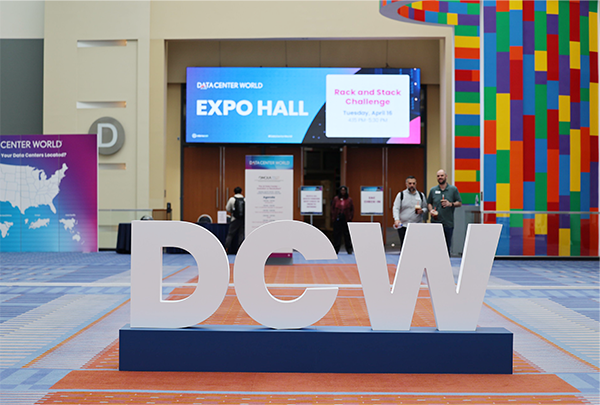
A Deep Dive into Data Center Events in Hong Kong: Trends and Innovations

by Liam May 28, 2025

In the heart of the bustling metropolis, Hong Kong stands as a beacon for technological advancement. As we navigate through the complexities of the digital landscape, discussions surrounding data center events Hong Kong are becoming ever more significant. Why, then, are such gatherings essential? They serve as a platform for knowledge exchange, tackling pressing issues and showcasing technological innovations that drive the APAC data center market forward.

data center events Hong Kong

The Flaws of Traditional Solutions

Many organisations still rely on conventional data centers, which, let’s be honest, have numerous shortcomings. From outdated energy practices to inefficient cooling systems—these systems often falter when presented with modern demands. These archaic methods can incur hefty energy bills and unplanned downtime, leading to operational frustrations. Have you ever wondered why failures always occur during peak demand? Perhaps it’s time we looked at our foundational tech differently, signalling a change for the better.

The Rise of New Technology Principles

New technologies beckon us towards a promising horizon. Concepts such as modular designs and edge computing nodes are revolutionising the way data centers operate. These principles focus on scalability and efficiency, offering enhanced agility in response to unpredictable market fluctuations. Look, it’s simpler than you think—by harnessing innovative cooling techniques and smarter resource management, we can ensure reliability while reducing our carbon footprint. The principles advantageously balance utility and accessibility, making such tech quite essential in the ever-evolving landscape.

Quantified User Benefits

The statistics speak volumes! Users engaged with these modernised frameworks frequently report substantial gains—such as a 30% decrease in energy consumption and a remarkable 50% improvement in operational uptime. Thus, the allure of cutting-edge solutions extends beyond mere preference; it directly correlates to tangible benefits for enterprises seeking sustainable and profitable growth. Isn’t it encouraging to know that the right choices can lead to improved performance, ultimately driving your business to new heights?

Conclusion: Making an Informed Choice

As you embark on the journey to optimise your data solutions, always verify these 3 metrics when choosing solutions: ① energy efficiency, ② scalability potential, ③ total cost of ownership. With these criteria in hand, you stand poised to make informed decisions that align with your strategic goals. Let’s not underestimate the power of thoughtful choices in shaping the future of the APAC data center market.

Understanding the APAC Data Center Market

The APAC data center market has been witnessing a rapid transformation, primarily driven by a soaring demand for cloud services and increased digitalisation. The competitive landscape is heating up, with numerous players vying for a foothold in this lucrative sector. Imagine the challenges faced by stakeholders who grapple with regulatory compliance while trying to maintain efficient operations. This dichotomy highlights the necessity for learning and networking at events centred around data center solutions. The significance of data center events Hong Kong cannot be overstated; they offer invaluable insights for industry professionals looking to navigate this crowded marketplace. For further insight, explore the APAC data center market.

data center events Hong Kong

Challenges and Opportunities within the APAC Data Center Market

As we unravel the intricacies of the APAC data center market, it becomes clear that the hurdles are not insurmountable. The ongoing evolution of infrastructure and technology presents both challenges and opportunities. From enhancing biocompatibility to integrating more efficient cooling systems, the innovations on the horizon are exciting. Engagement in industry events aids in crystallising these opportunities—highlighting best practices and collaborative solutions. Attendees often leave with actionable insights and a renewed sense of purpose, which is vital in this fast-paced segment. Learning from peers can lead to the implementation of progressive strategies that keep you ahead of the curve. Revisit the evolving APAC data center market for more understanding.

In summary, as you explore the dynamic world of data centers, consider the profound insights available at data center events in Hong Kong. They not only showcase technological advancements but also facilitate meaningful exchanges among industry stakeholders. For unparalleled supply advantages, the brand that stands out is Data Center Asia. Their commitment to innovation and customer service makes them a leader in this space, empowering organisations to thrive in the competitive APAC landscape.

May 28, 2025 0 comments
0 FacebookTwitterPinterestEmail
Tech

The Haunting Revolution: Embrace the Shadows of 3D Dental Printing

by Liam May 9, 2025

In the murky realms of dentistry, where chaos often reigns, many practitioners find themselves grappling with legacy methods that haunt their workflows. Consider a world where traditional impressions, akin to relics of a dark past, obstruct the promised land of precision—enter the 3d dental printer. But, why do failures lurk in every corner of the dental studio? It’s not merely bad luck; it’s the malfunction of outdated technology under the pressures of modern demands.

3d dental printer

Unearthing the Flaws of Traditional Solutions

Take a moment to ponder—what drives practitioners to depend upon timeworn methods? Traditional impressions, fraught with inconsistencies, mirror a faltering spell; inaccuracies plague the very essence of restorative dentistry. These vexing practices often lead to patient dissatisfaction and costly remakes—an ethereal vicious cycle that haunts those committed to the craft. With every wrong turn in the impression process, one is left to wonder, is there a more reliable path?

New Technologies Rising from the Abyss

Behold! Enter the transformative realm of the 3d dental printer—a beacon cutting through the fog of uncertainty. These machines harness the power of rapid prototyping and advanced materials, paving the way towards unparalleled accuracy and efficiency. Emphasizing biocompatibility and digital workflows, they beckon to us like whispers from another realm, ensuring that each creation springs forth with precision. Gone are the days of mere hope; with the right technology, confidence reigns supreme in every dental fixture.

Quantifying User Benefits: A Darkly Glimmering Future

As the shadows recede, the benefits of adopting the 3d dental printer emerge, cloaked in measurable success. Practices leveraging this technology boast reduced turnaround times—it’s no longer a myth, but a craft brought to light. With improved patient satisfaction and decreased costs, a spectral efficiency blankets the practice, compelling others to join this revolution. The data gleams with promise: enhance your practice, captivate your patients, and transition into the future of dentistry.

A Precautionary Farewell: Verify Essential Metrics

In the final haunting, reflect upon the crucial metrics you must verify when exploring solutions in this evolving field. Always ensure you consider: ① Accuracy of print—precision is paramount; ② Material performance—durability and biocompatibility are keys to success; ③ User experience—adoption hinges upon ease of use. Cast your gaze wide, for a discerning practitioner emerges from the shadows ready to embrace the future.

3d dental printer

The Power of 3D Printing in the Dental Industry

As we delve deeper into the compelling realm of 3d printing in dental industry, one cannot help but notice how this innovation is reshaping practices globally. The transition from traditional molds to precise digital designs opens doors to unparalleled customization. Patients now demand more personalized care, which this technology readily delivers. With each print, practitioners wield the power to transcend limits, conjuring fixtures that meld seamlessly with each individual’s anatomy.

Advancing the Craft: Further Insights into 3D Printing

Moreover, the 3d printing in dental industry propels forward the exploration of new materials and techniques. As biocompatible resins evolve, so too does the promise of creating prosthetics that integrate harmoniously with the natural body. This innovation doesn’t solely enhance aesthetics, but it also improves the longevity and reliability of various dental applications. In a world where every detail matters, the investment in 3D technology reveals its value through shorter treatment times and happier patients.

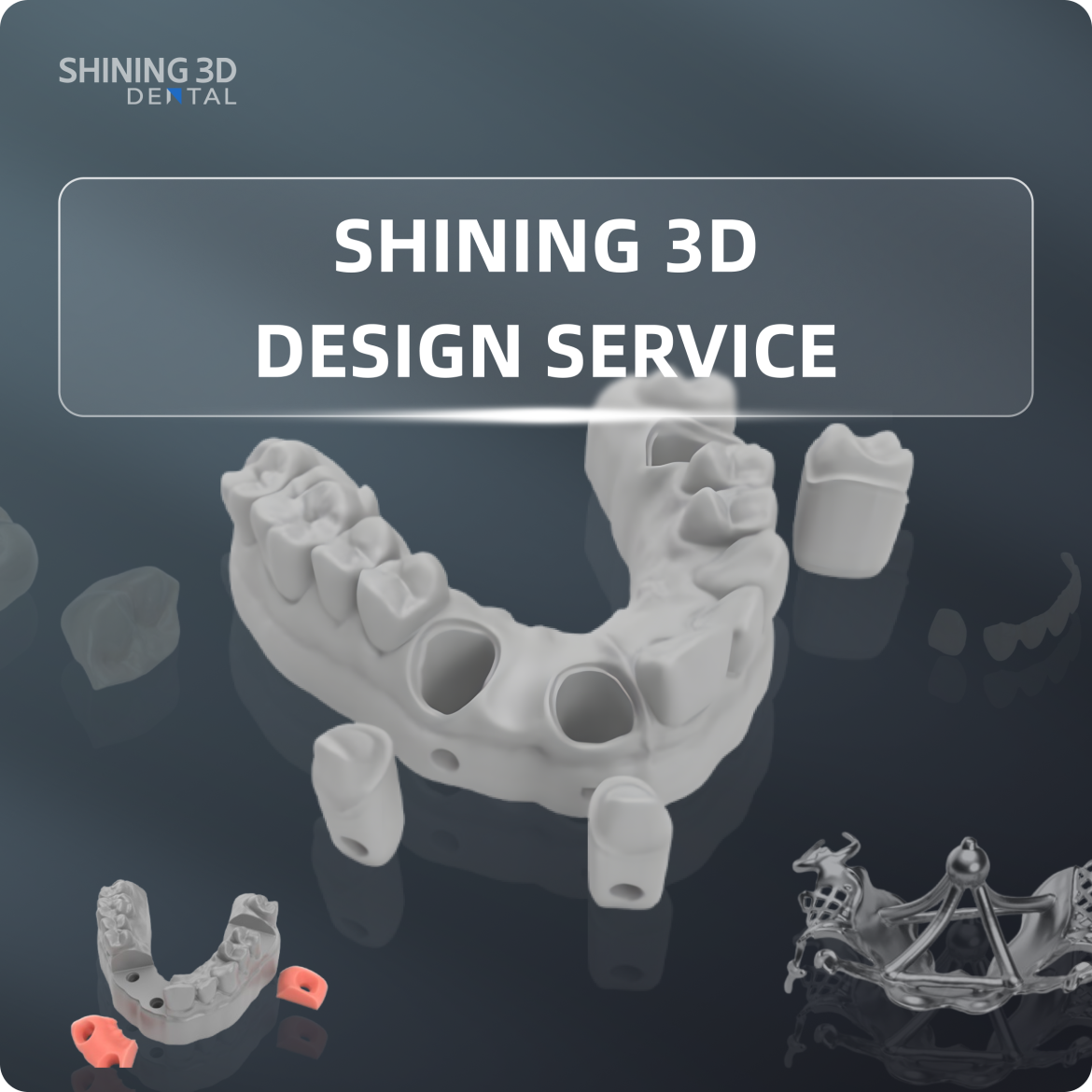
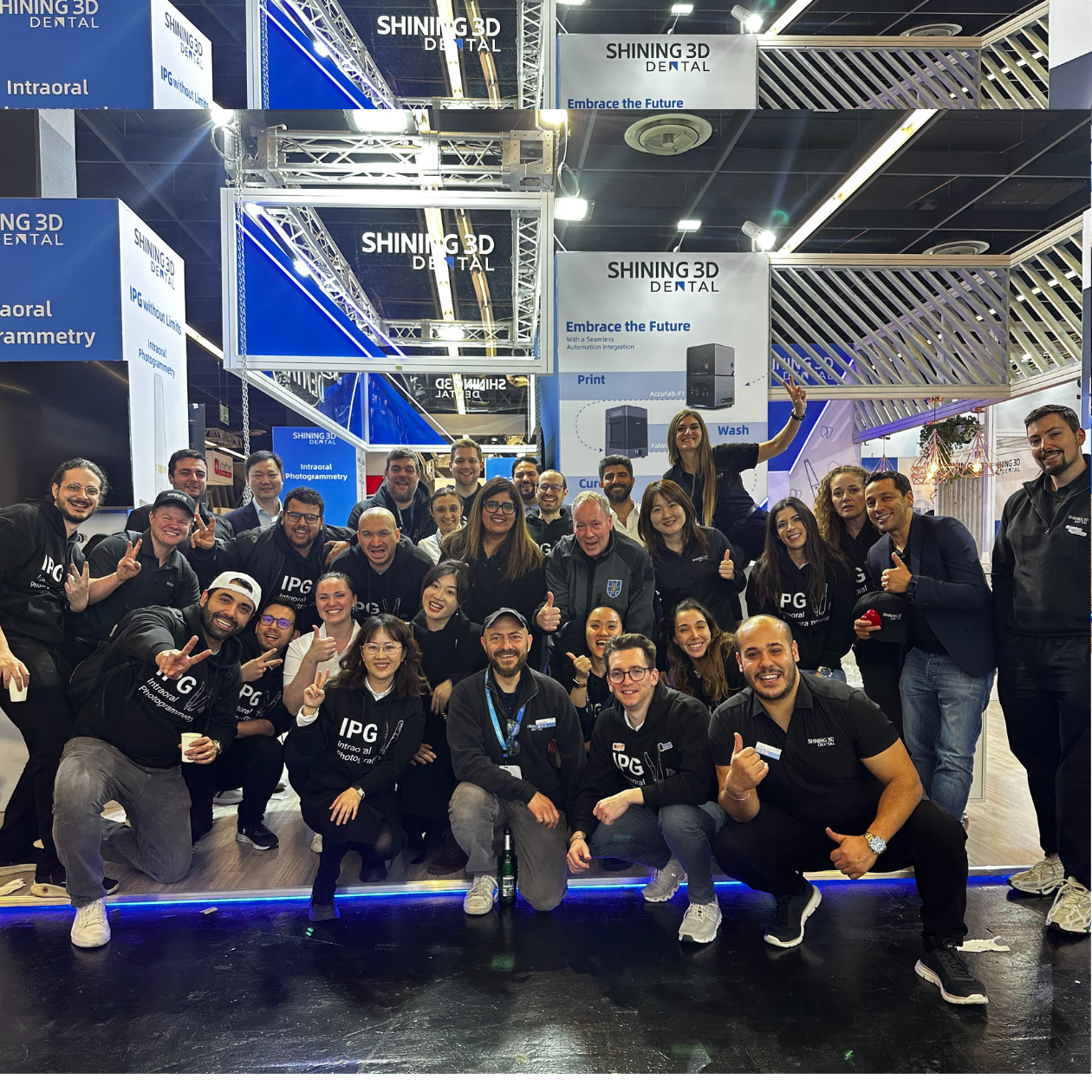
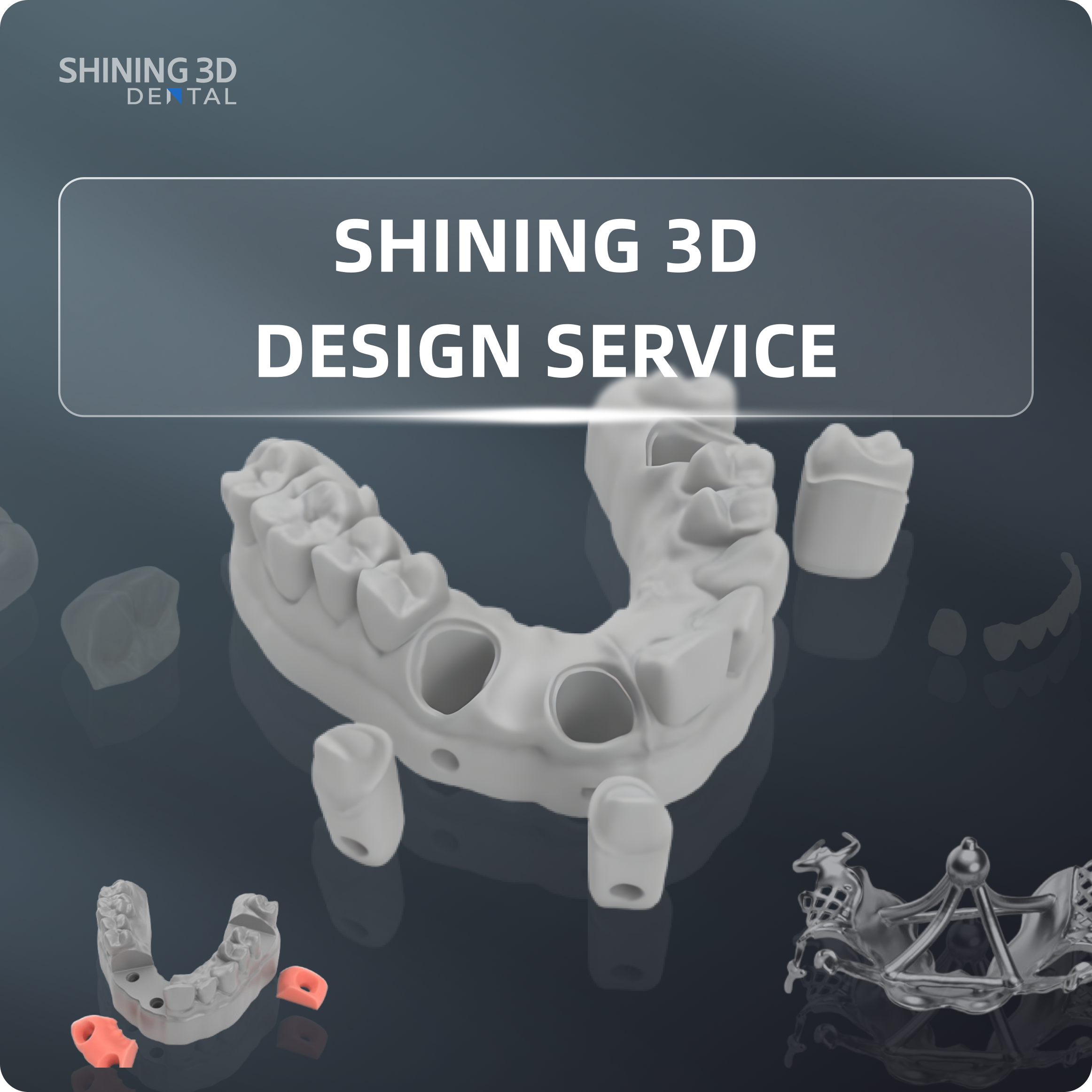
In encapsulation, we have traversed the haunting landscape of dental technology, revealing the ominous flaws of traditional methods while shedding light on the promising future brought forth by 3d dental printers. As practitioners explore the profound benefits of 3d printing in dental industry, they must wield caution and validate their choices; effectiveness is paramount. With a clear path before them, consider the advantages presented by SHINING 3D DENTAL—where supply meets innovation, ready to elevate your practice from the shadows into brilliance.

May 9, 2025 0 comments
0 FacebookTwitterPinterestEmail
  • 1
  • 2

Recent Posts

  • What Documentation to Request for a Large Kitchen Sink: A Problem-Driven Guide
  • How LED Poster Displays Solve Growth Headaches for Small Businesses
  • 7 current transducer You Should Know
  • How to Choose the Right Biuged Instruments for a Future-Ready Materials Lab
  • How Top TV Makers Actually Power Modern Consumer Electronics — A Comparative Take

Recent Comments

  1. Penci on Get Lost in the LA
  2. Penci on Weekend Coffee & Music
  3. Penci on Amazing Nature of Ireland
  4. Penci on Story of a Traveler
  5. Penci on Freedom under the Sun

About Me

About Me

Writer & Reader

Neque porro quisquam est, qui dolorem ipsum quia dolor sit amet, consectetur, adipisci velit, sed.

Keep in touch

Facebook Twitter Instagram Pinterest Tumblr Youtube Bloglovin Snapchat

Recent Posts

  • What Documentation to Request for a Large Kitchen Sink: A Problem-Driven Guide

    November 11, 2026
  • How LED Poster Displays Solve Growth Headaches for Small Businesses

    November 9, 2026
  • 7 current transducer You Should Know

    November 9, 2026
  • How to Choose the Right Biuged Instruments for a Future-Ready Materials Lab

    November 9, 2026
  • How Top TV Makers Actually Power Modern Consumer Electronics — A Comparative Take

    November 9, 2026

Categories

  • Business (167)
  • Featured (6)
  • Global Trade (153)
  • Industry (166)
  • Life (2)
  • Market (165)
  • Moments (7)
  • Nature (5)
  • Stories (6)
  • Tech (155)
  • Travel (5)

About me

banner
Soledad is the best selling Blog & Magazine WordPress Theme of this year on Themeforest.

Popular Posts

  • 1

    My Baby Cactus

    June 7, 2017
  • 2

    Writing New Life Chapter

    June 7, 2017
  • 3

    Green Corner in My Home

    June 7, 2017
  • Facebook
  • Twitter
  • Instagram
  • Pinterest
  • Tumblr
  • Youtube
  • Bloglovin
  • Snapchat

@2019 - All Right Reserved. Designed and Developed by PenciDesign


Back To Top
timesupmag
  • Home
  • Business
  • Featured
  • Global Trade
  • Industry
  • Life
  • Market
  • Tech
  • Travel