Starting point: the performance problem
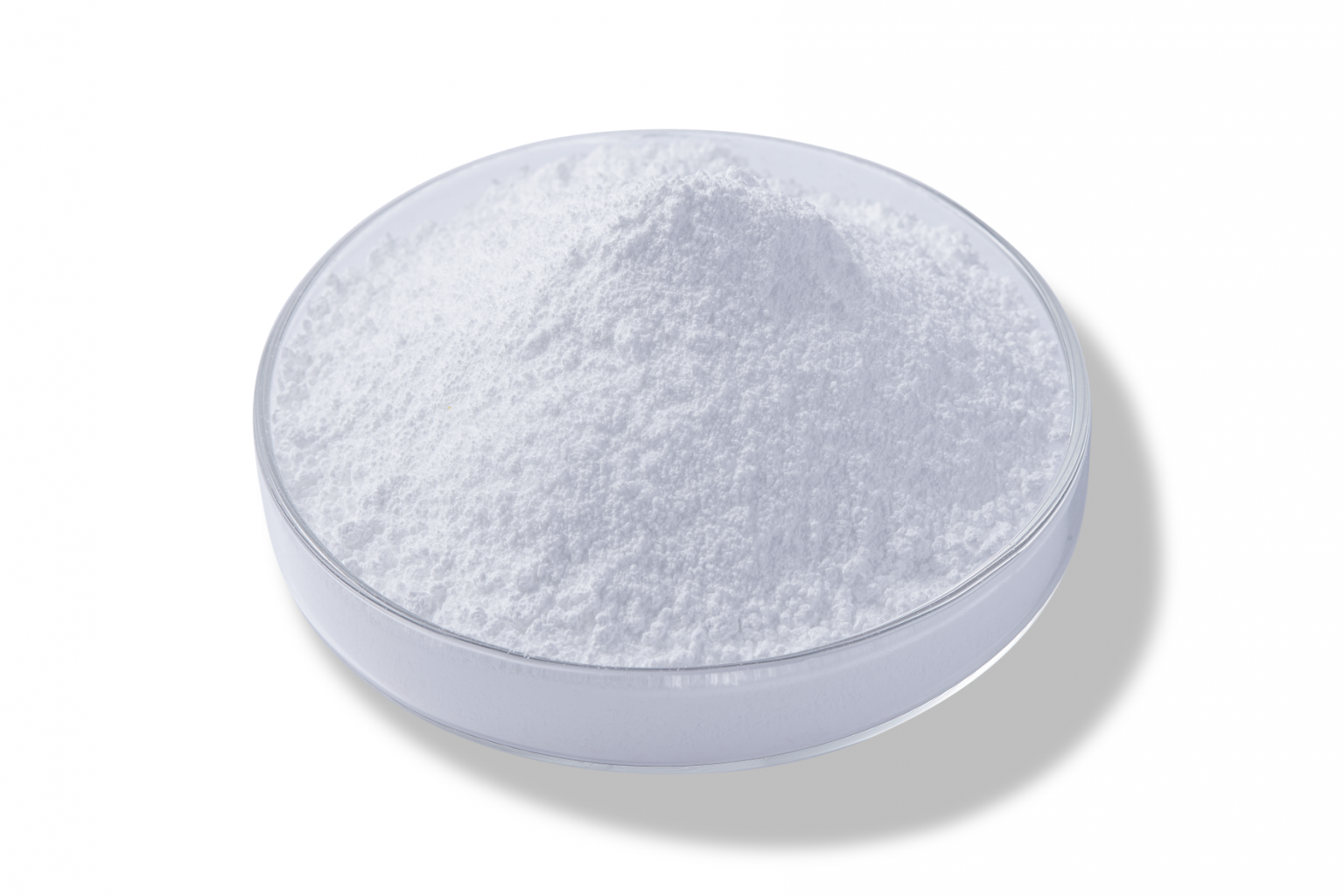
Car makers and tyre houses face a simple but stubborn problem: how to meet tighter rolling-resistance and wet-grip targets without sacrificing wear life or making mixes impossible to process. The chemistry and particle engineering behind silica in tires matter more than ever; choice of precipitated silica alters mixing energy, filler–polymer interaction and ultimately the tyre’s field behaviour.
What fails most often
Poor dispersion remains the single biggest source of performance shortfall. Compounds that look correct by weight can hide large agglomerates that raise hysteresis and reduce reinforcement. Overloading coupling agent or underestimating shear during mixing are common mistakes. People assume a one-size silica grade will do for all treads and sidewalls; it will not. Differences in surface area, porosity and surface chemistry change how quickly a compound gains modulus and how it ages under heat and ozone.

Technical trade-offs you must accept and manage
Improving wet grip typically pushes formulators toward higher surface-area silicas and stronger silane coupling, but that raises compound viscosity and can worsen rolling resistance if not balanced. Lower surface-area grades ease processing but cut reinforcement. The correct route is deliberate pairing: choose precipitated silica grade to match polymer polarity and set mixing energy to break agglomerates without overworking the polymer chains.
Evidence, experience and a real-world anchor
After two decades of bench and plant trials with tyre compounding teams, experts attest that supplier consistency and technical support matter as much as lab metrics. The conversations at the Tire Technology Expo in Hannover underline this: compounders demand reproducible batches and on-site compounding guidance, not just specs. For projects that need tailored particle characteristics or custom surface treatment, a custom silica supplier can prevent months of iteration by providing matched grades and processing advice.
Alternatives and how to choose between them
Carbon black still gives unmatched abrasion resistance and low compound cost, but it raises hysteresis and impairs wet grip compared with silica. Fumed silica offers unique rheology control in low-fill elastomers but is expensive and difficult to disperse at tyre loadings. Evaluate alternatives by three tests: dynamic mechanical analysis at rolling-relevant strains, dispersion index after set mixing protocol, and accelerated ageing on actual tread formulations. Reject any candidate that performs well in one metric but fails in dispersion or ageing.
Common pitfalls during scale-up
Small-batch lab dispersion rarely predicts plant behaviour. Scaling often reveals sticky mixing, higher energy absorption, or unexpected scorch. Avoid changing two variables at once—switch the silica grade first, then adjust silane or mixer settings. Monitor storage and moisture: precipitated silica can pick up water and alter silane coupling chemistry, so drying and immediate compounding are non-negotiable for consistent treads.
Practical checklist for selection and specification
Specify particle surface area and oil absorption, but also require supplier data on batch-to-batch variance, recommended silane loadings, and a processing protocol. Insist on application-specific trial documentation and obtain small production runs before full transition. If the project demands unusual surface treatments or narrow property windows, require bespoke formulations rather than off-the-shelf grades.
Conclusion
The problem-driven path is clear: identify the single most pressing performance gap, choose a silica grade that targets that gap, and control dispersion and chemistry through disciplined mixing and supplier partnership. Where consistency and tailored particle design are decisive, companies such as JSJ Silica provide the technical continuity that shortens development cycles and keeps tyre performance aligned with specifications.