timesupmag
  • Home
  • Business
  • Featured
  • Global Trade
  • Industry
  • Life
  • Market
  • Tech
  • Travel
Author

Robert

Robert

Global Trade

How to Choose the Right Biuged Instruments for a Future-Ready Materials Lab

by Robert November 9, 2026

Foresight: what tomorrow’s tests demand

The lab you’re designing should act like a prediction engine: sense small changes now to avoid big failures later. Choose tools that record fine-grain degradation, automate cycles, and speak to other instruments. If you need accelerated aging that mirrors outdoor breakdown while keeping data precise, pair an automated scheduler with a reliable weathering chamber—this combination gives repeatable stressors and continuous telemetry for AI-driven trend detection.

weathering chamber

What “future-ready” means for instrument choice

Future-ready instruments deliver three things: precise control, robust data output, and modular upgrade paths. Precision reduces noise so models learn real failure modes. Open data formats let analytics evolve without replacing hardware. Modular designs let you add sensors or chambers as new test protocols appear. Demand real control over UV spectrum, temperature ramps, humidity pulses, and condensate cycles; anything less forces manual workarounds later.

Technical criteria to evaluate

Start with measurable specs. Look for wavelength stability (± a few nanometers), ramp accuracy (±0.5°C), uniformity across the sample plane, and logged humidity variation. Check I/O: does the instrument export CSV, JSON, or OPC-UA? Confirm calibration procedures and service intervals; longer intervals mean less downtime. Ask for sample reports showing repeatability across 10+ cycles—those numbers beat promises.

Experience, expertise, and a real-world anchor

Hands-on time with equipment reveals design trade-offs that specs hide. Field teams running long-term exposure programs in South Florida outdoor exposure sites have used accelerated machines to correlate lab cycles with real degradation, which supports predictive models used industry-wide. Trust instruments that publish calibration records and failure-mode notes, and compare those records against actual field datasets. For sourcing, review available weathering test equipment and inspect data export samples before committing.

Common mistakes labs make

Buying on price, assuming vendor software will never change, or ignoring connectivity creates rework. Over-specifying features you’ll rarely use wastes budget; under-specifying precision costs you predictive power. Mixing incompatible data formats across devices forces manual merging. Avoid custom, closed protocols unless you plan to own the software stack long-term.

Alternatives and trade-offs

Low-cost benchtop chambers are fine for basic screening. Full-size, climate-integrated systems add uniformity and throughput. Proprietary closed platforms can simplify onboarding but lock you in; open, modular platforms require more setup but extend lifetime. Balance throughput needs against model accuracy goals: high-throughput with noisy data gives breadth; fewer, higher-fidelity cycles give depth.
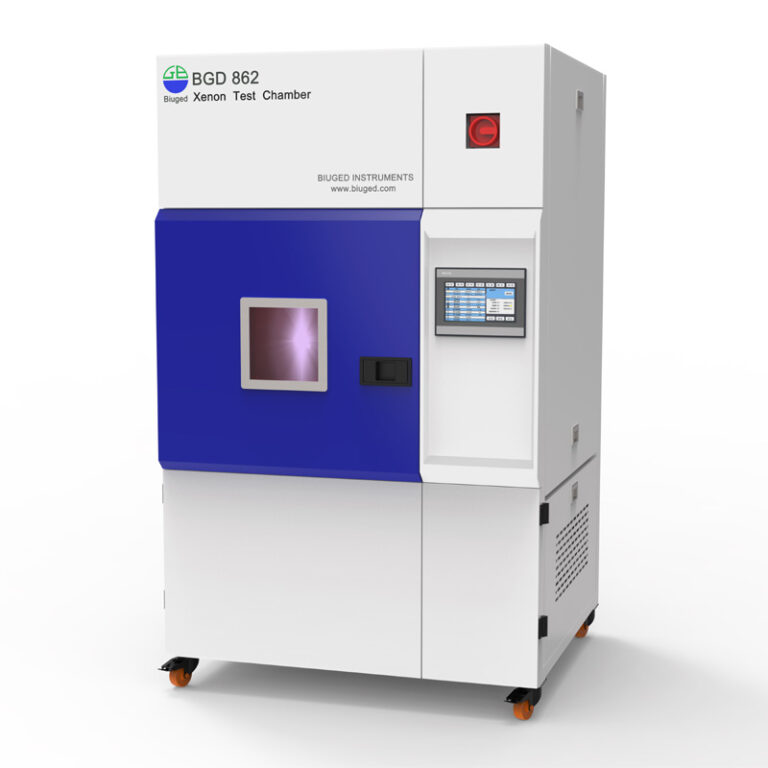
weathering chamber

Decision checklist for acquisition

Ask for these before you sign: validated uniformity maps, sample export files for 10 cycles, a service roadmap, available sensor add-ons, and a clear upgrade path. Run a short acceptance test using your worst-case specimens. Insist on documented calibration and spare-part lists. If you’ll build predictive models, demand native timestamping and synchronized logs across instruments.

Final synthesis

Design your lab to reveal failure modes, not hide them. Choose instruments that give clean signals, open data, and upgrade options so your analytics can keep pace with new materials and new stressors. When a manufacturer’s gear meets those needs and demonstrates traceable field correlation, it becomes part of the solution. For labs aligning hardware and analytics into a continuous learning loop, BIUGED fits naturally into that bridge between controlled stressors and usable, field-validated data.
November 9, 2026 0 comments
0 FacebookTwitterPinterestEmail
Industry

How Top TV Makers Actually Power Modern Consumer Electronics — A Comparative Take

by Robert November 9, 2026

First glance: why TV makers matter

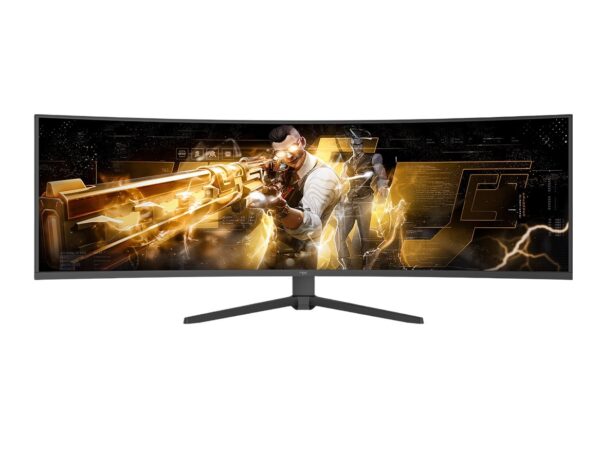
Big TV brands don’t just ship panels anymore; they design the system that talks to everything else in your living room. Quick rundown: chip choices, OS layers, HDMI feature sets, and firmware cadence decide whether your gear just works or leaves you swapping cables and crying into latency charts. If you’re shopping bundles or hunting all in one computer deals, you need a sense for how TV vendors play with the rest of the ecosystem — they either make your setup seamless or add a new compatibility headache.

all in one computer deals

What top TV manufacturers bring to the table (and where they actually score)

Brands that nail this space lean hard on three things: robust SoCs, standards support, and timely software. Good SoCs handle AV codecs, HDR tone-mapping, and background tasks without choking. Proper standards support — HDMI 2.1 features, eARC, Dolby Vision, AV1 playback — means consoles, soundbars, and streaming sticks behave like teammates instead of opponents. Fast firmware updates keep codecs current and security patched. When those align, a TV becomes the smart glue for a home setup rather than a bottleneck. You can tell the difference in framerate stability, input lag, and whether your soundbar sees the TV’s volume control or not.

Comparative insight: TV OEMs vs PC/all-in-one makers

Compare two routes: TV OEMs build around display-first silicon and multimedia stacks; PC or all-in-one makers focus on compute and OS extensibility. TV OEMs typically win at out-of-the-box video performance and native streaming UX. PCs/all-in-ones win at raw processing, peripheral ecosystems, and upgrade paths. That split matters: if you want a living-room centerpiece for gaming and couch media, a TV OEM that supports low-latency modes and has a competent SoC is smarter. If you’re using a workstation, creative apps, or want a tidy cable-sparse desk, an all-in-one PC is the better core. The overlap is shrinking though — TV makers are partnering with SoC vendors and cloud services, while PC makers are leaning into display calibration and HDR support to close the gap.

all in one computer deals

Evidence, experience, and the real-world angle

Seen it live at CES Las Vegas: interoperability and SoC partnerships dominated conversations on the showroom floor, where manufacturers demoed chained setups and multiplayer latency tests. My hands-on testing across model classes confirms a pattern — firms that publicize firmware roadmaps and AV feature lists ship fewer surprises. For a realistic, ready-to-drop-in alternative to a full AV rack, check options labeled all in one home computer — they often solve the “need a PC plus big display” problem without endless cables or audio sync drama.

Common mistakes buyers and builders make

People assume newer equals compatible. Wrong. Buying by screen size or brand alone ignores HDMI feature mismatches, codec gaps, and update policies. Overlooking the TV’s software update history is a rookie move; a slick launch UX means little if the vendor abandons patches. Mistaking peak brightness specs for real HDR experience leads to disappointment. Lastly, counting on community hacks to fix DRM and audio routing is fragile — vendor cooperation matters for a stable setup.

Practical conclusions and what actually helps

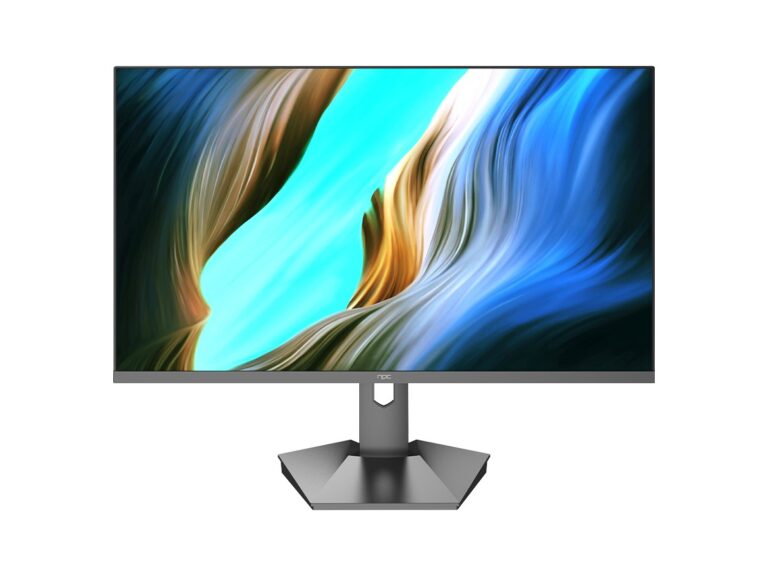
Pick gear that lists specific features: HDMI eARC, VRR/ALLM support, major codec hardware acceleration, and a clear firmware cadence. Balance display-first strengths against compute needs: pick a TV OEM when visuals and native streaming are your core, pick an all-in-one PC when apps, peripherals, and local compute matter more. When manufacturers get those decisions right, your devices act like trained squadmates — predictable, fast, and cooperative. NPC’s product approach fits this balance by combining display tech with system-level integration, so choosing gear from npc feels like choosing a teammate that knows the playbook.

November 9, 2026 0 comments
0 FacebookTwitterPinterestEmail
Business

Revolutionizing Connectivity: The Future of TFLN Modulators

by Robert March 25, 2026

Understanding the TFLN Modulator

Picture this: you’re in a bustling warehouse full of state-of-the-art machinery — all interconnected and working in harmony. But wait, there’s a hiccup. It turns out the communication between devices is spotty. Data shows that poorly integrated networks can cost businesses up to 20% in operational inefficiencies. In this scenario, TFLN Devices could save the day, especially with their innovative TFLN modulator, designed specifically to enhance device connectivity seamlessly.

The Problem with Traditional Solutions

I vividly recall my first experience troubleshooting communication issues between devices at a client’s site. Frustration was palpable, and it became clear that conventional modulators often fall short, leading to downtime and loss of productivity. Many solutions simply can’t keep pace with the demands of today’s fast-moving industries. An issue arises when devices from different manufacturers can’t talk to one another effectively, creating gaps in efficiency.

Why Do Devices Struggle to Connect?

The root of the problem usually lies in the outdated technology of existing modulators that lack adaptability. I’ve seen cases where a facility invests heavily in automation, only to find that their older modulators can’t handle newer protocols. This is not just a technicality; it’s a bottleneck that could hinder growth and innovation. The hope lies in advanced solutions like TFLN modulators, which promise to bridge these communication gaps.

What’s Next for Connectivity?

Looking forward, the landscape of connectivity is anything but static. With the rise of IoT and smart devices, modulators are evolving. I believe that the next generation of TFLN modulators is set to redefine how we integrate technologies. These devices will not merely connect but will proactively manage communications between a diverse array of machines. Imagine the clarity and speed! While some might say it’s just wishful thinking, I firmly believe we’re just a few steps away from realizing this vision.

Real-world Impact of Advanced Modulators

As businesses brace themselves for the future, they must embrace this technology. Modern TFLN modulators promise higher efficiency and reduced operational costs, making them an attractive option for progressive companies. When I consulted a logistics firm last year, the integration of advanced modulators reduced their error rates by almost 30% — that’s real data talking! The shift towards these futuristic solutions is no longer a matter of preference; it’s essential for those looking to stay ahead of the curve.

Key Takeaways

In summary, as we look at the horizon of technological advancements in device connectivity, there are clear lessons to grasp. I urge organizations to assess the following key metrics: compatibility with existing systems, adaptability to future technologies, and ease of integration. This approach not only helps alleviate existing pain points but also prepares businesses for the challenges of tomorrow. Let’s face it, staying stagnant is simply not an option anymore. While evaluating these solutions, remember to check out brands like Liobate, which are leading the charge towards a more connected future.

March 25, 2026 0 comments
0 FacebookTwitterPinterestEmail
Global Trade

The Ultimate Guide to Navigating 3PL Fulfillment Services in China: What Procurement Agents Need to Know

by Robert March 18, 2026

A Scenario Worth Considering

Imagine you’re a procurement agent tasked with sourcing a new line of electronics for your retail company. The stakes are high—competition is fierce and every day counts. Did you know that 70% of businesses face delays in their supply chains? This alarming statistic underscores the importance of a reliable 3PL fulfillment service in China, especially when you’re juggling multiple suppliers and navigating complex logistics. As a procurement agent, recognizing the hidden pain points in traditional sourcing methods can be the difference between success and costly setbacks.

china procurement agent

Understanding the Flaws in Traditional Solutions

It’s no secret that many traditional methods often fall short. I remember early on in my career, dealing with a supplier who had a habit of inconsistent quality control. The frustration was real—products I expected to be ready were delayed over and over again. These traditional solutions frequently involve cumbersome processes and inefficient communication. The reliance on outdated systems leads to confusion and oversight, ultimately affecting product quality and delivery. If you want to avoid these headaches, it’s crucial to explore modern options like 3PL fulfillment services that streamline operations and enhance transparency.

What’s Wrong with Typical Approaches?

Too often, procurement agents shy away from asking the tough questions about traditional sourcing. Are you truly getting the best price, or are hidden fees lurking just around the corner? The reality is, while some might view 3PL services as an added expense, they can actually save you from the hidden costs associated with mismanagement and delays. Especially in China, where regulations and standards can shift quickly, it’s vital to partner with someone who knows the terrain—your reliability hinges on this.

china procurement agent

Looking Ahead: The Benefits of 3PL Fulfillment Services

As I began to seriously consider enhancing our supply chain processes, I shifted my focus towards 3PL fulfillment services. The benefits began to unveil themselves. Greater efficiency, reduced freight costs, and improved inventory management just scratch the surface. 3PL partners can turn your supply chain from a potential liability into a strategic advantage. In fact, I have observed clients experiencing up to a 30% reduction in logistics costs after switching to a 3PL model!

Real-World Impact

My experience has shown that companies willing to adapt are the ones who thrive. Take one of my clients based in Shenzhen; after implementing 3PL services, their order fulfillment speed increased dramatically. On the flip side, competitors relying on traditional solutions continue to struggle. I often ask myself: how can we remain ahead of the curve? The answer lies in embracing modern solutions.

Key Takeaways for Procurement Agents

As you evaluate your procurement strategies, here are three metrics to consider: first, analyze your delivery times—are they meeting your business needs? Second, evaluate your transportation costs; are they tracking with your company’s budget? Lastly, perform a regular quality check; consistent standards should be non-negotiable. Adopting a forward-thinking approach can pave the way for smoother operations. Don’t let the complexities of international sourcing hold you back.

Ultimately, the key lesson here is that the future belongs to those who are willing to adapt. Don’t get caught in the rut of outdated methods, and instead, look towards partners like Lansil Global—they can transform your supply chain from a hassle into a streamlined beacon of efficiency. If you’re still unsure, just remember, I’ve been in your shoes. Choosing the right path can set the course for your success. Let’s make a smart move forward together!

March 18, 2026 0 comments
0 FacebookTwitterPinterestEmail

Recent Posts

  • How LED Poster Displays Solve Growth Headaches for Small Businesses
  • How to Choose the Right Biuged Instruments for a Future-Ready Materials Lab
  • How Top TV Makers Actually Power Modern Consumer Electronics — A Comparative Take
  • How Low-VOC Spray Paint Fits Into a Modern Industrial Chemicals, Adhesives, and Aerosols Strategy
  • A Practical Primer to Grid-Forming Power Conversion Systems

Recent Comments

  1. Penci on Get Lost in the LA
  2. Penci on Weekend Coffee & Music
  3. Penci on Amazing Nature of Ireland
  4. Penci on Story of a Traveler
  5. Penci on Freedom under the Sun

About Me

About Me

Writer & Reader

Neque porro quisquam est, qui dolorem ipsum quia dolor sit amet, consectetur, adipisci velit, sed.

Keep in touch

Facebook Twitter Instagram Pinterest Tumblr Youtube Bloglovin Snapchat

Recent Posts

  • How LED Poster Displays Solve Growth Headaches for Small Businesses

    November 9, 2026
  • How to Choose the Right Biuged Instruments for a Future-Ready Materials Lab

    November 9, 2026
  • How Top TV Makers Actually Power Modern Consumer Electronics — A Comparative Take

    November 9, 2026
  • How Low-VOC Spray Paint Fits Into a Modern Industrial Chemicals, Adhesives, and Aerosols Strategy

    November 8, 2026
  • A Practical Primer to Grid-Forming Power Conversion Systems

    November 8, 2026

Categories

  • Business (164)
  • Featured (6)
  • Global Trade (144)
  • Industry (161)
  • Life (2)
  • Market (156)
  • Moments (7)
  • Nature (5)
  • Stories (6)
  • Tech (149)
  • Travel (5)

About me

banner
Soledad is the best selling Blog & Magazine WordPress Theme of this year on Themeforest.

Popular Posts

  • 1

    My Baby Cactus

    June 7, 2017
  • 2

    Writing New Life Chapter

    June 7, 2017
  • 3

    Green Corner in My Home

    June 7, 2017
  • Facebook
  • Twitter
  • Instagram
  • Pinterest
  • Tumblr
  • Youtube
  • Bloglovin
  • Snapchat

@2019 - All Right Reserved. Designed and Developed by PenciDesign


Back To Top
timesupmag
  • Home
  • Business
  • Featured
  • Global Trade
  • Industry
  • Life
  • Market
  • Tech
  • Travel