
Introduction
I was stuck on the Lower East Side, watching a driver scroll through an app like it was a dating profile — swiping chargers, hoping one would be honest. The city’s shift means the dc ev charger everyone talks about now gets more of our time than we used to give gas stations; EV registrations jumped roughly 40% in the last few years and chargers are popping up on every corner (no lie). So you’re left asking: which charger actually saves me time and sweat, and which one’s just shiny marketing? I’ll be blunt — we need clarity. Fast facts and real-world lines at stations matter. I’ll walk you through the scenario, show the weak spots in current setups, and give practical ways to judge tech like power converters and charging protocol support. This ain’t a lecture — it’s straight talk from someone who’s tested, waited, and fixed things on the fly. — funny how that works, right? Next up: let’s peel back the curtain and see why so many dc chargers still mess up the user experience.
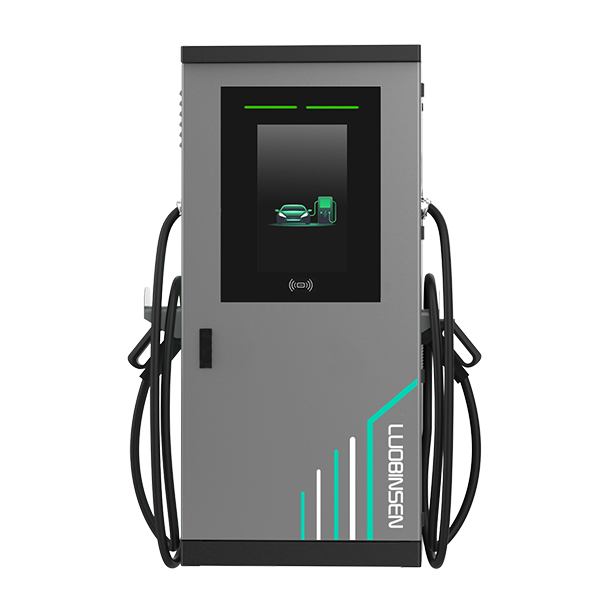
Root Problems: Why dc chargers Still Frustrate Drivers
Look, I’ll say it plain: hardware and software often don’t play nice. Many public DC fast chargers were built around specs years ago. They promised rapid top-ups, but in practice you hit issues like mismatched charging protocol support, flaky communication protocols, and weak power electronics that throttle output under heat. I’ve seen chargers that claim 150 kW but deliver far less once the station’s thermal limits kick in. That gap between spec and reality creates long waits and multiple failed sessions — and drivers notice. On the network side, load balancing and billing stacks are another mess. Stations that can’t talk to the cloud reliably lead to stalled sessions or wrong billing. You end up paying for minutes you didn’t get — nobody likes that. I’ve dug into logs where a simple handshake failure between the EV and charger caused a 20-minute flop. It’s not glamorous; it’s engineering and user friction. (We’ve all cursed those blinking screens.)
So what exactly breaks first?
Two quick failure modes I keep running into: 1) power converter limits — they heat and reduce output; 2) poor protocol fallback — when a car and charger don’t share the same handshake, the session stalls. Those are technical, sure, but they’re the reasons your quick stop turns into a nap break. I care because I use these systems; I’ve sat through the delays, and I don’t want that for you. Look, it’s simpler than you think — pick tech that advertises true sustained power and modern OCPP/ISO compatibility, not just peak kW numbers.
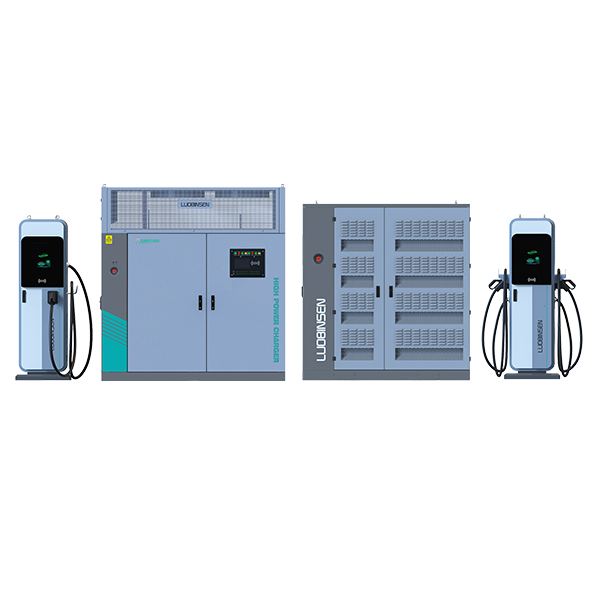
Looking Ahead: Principles and Picks for Better Charging
What’s next? I’m betting on pragmatic upgrades rather than buzzword fixes. First, smart station design: cooling that keeps power converters honest, redundant communication paths to avoid single-point failures, and edge computing nodes that manage local load balancing so your charge doesn’t drop mid-session. Second, standards-first software — if a charger (say a wallbox model) supports clear charging protocol versions and has reliable firmware updates, it’ll age better. Case in point: some newer wallbox dc charger designs include active cooling and firmware rollback, which stops a bad update from bricking a station. That’s the kind of detail I value.
What’s Next — Real-world Impact?
We’re seeing pilots where stations with local intelligence and good thermal design cut failed sessions dramatically. Operators measure less downtime and drivers report shorter waits. In practice, that means smoother comms between car and charger, fewer billing disputes, and a faster turnover — everyone moves. I’ve watched a site go from constant complaints to being a neighborhood favorite after swapping in better power electronics and routine OTA patches — small changes, big difference. — you notice it fast when things work.
Three Metrics I Use When I Evaluate a DC Charger
I’ll leave you with three practical metrics I use — they’re short, usable, and they tell the real story: 1) Sustained Output vs. Peak Output: Look beyond the headline kW. Ask for sustained power curves under real thermal conditions. If a charger can only hit peak for a minute, it’s not worth the hype. 2) Protocol Breadth and Firmware Policy: Does it support current OCPP/ISO standards? Are firmware updates tested with rollback? This predicts how long the unit will stay useful. 3) Operational Resilience: Check cooling design, redundancy in comms, and how the charger handles partial grid constraints (load shedding, dynamic power allocation). Stations that manage partial loads gracefully keep sessions alive and fair. I recommend weighing these metrics, try to see real logs if you can, and talk to other operators — their experience will tell you more than glossy sheets. I’ve been in the trenches; these checks save time and headaches. If you want to dig deeper into specific models or real deployment notes, I can walk you through a checklist. Luobisnen