
Introduction — A Clear Room Starts Before You Speak
Here’s the thing: most meetings don’t fail because people can’t talk; they fail because rooms can’t listen. Your conference room speaker and microphone system should be an ally, not a wildcard. Monday morning, hybrid call, two remote clients, one late agenda—then the dreaded “Can you repeat that?” floods the chat. Studies keep showing how clarity affects decisions and time-on-task; even small latency or echo spikes can derail focus. A modern compact meeting system tries to fix that by pairing smarter beamforming, tighter echo cancellation, and simpler controls (small room, big echo—funny how that works, right?). But do those “all-in-one” claims hold up when the room is busy, the HVAC is humming, and your team swaps laptops twice in an hour? Look, it’s simpler than you think: if the signal chain stays clean and latency stays low, people relax and speak better. Yet the details matter—gain staging, mic pickup, speaker placement, and live DSP choices. So, is compact the real upgrade or just a tidy box with new labels? Let’s move past the buzz and into how the old fixes actually break down, and why that keeps happening.
Under the Hood: Why the Old Fixes Keep Failing
Where does clarity get lost?
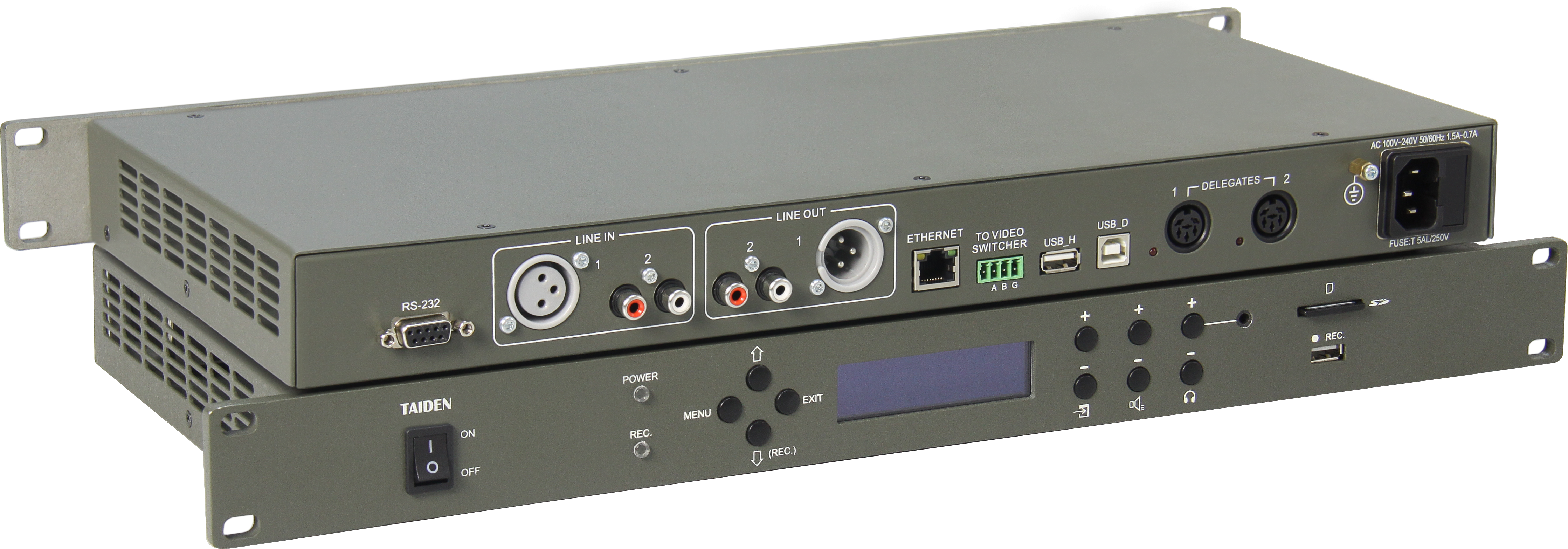
Traditional setups stack parts: ceiling mics to a mixer, then out to powered speakers, with a separate DSP and a network codec. Every handoff risks drift. Gain structure slips. Noise floor creeps up from power converters. AEC never quite dials in because the room’s reverb isn’t stable across seats. Add Dante on a shared VLAN and you may get clock jitter or QoS hiccups at the worst time. The result? Words arrive, but meaning doesn’t. People repeat. The meeting slows. And the more you “tune,” the more the system fights you.
Hidden pain points are routine. Four open mics double the noise, which triggers heavier gating and weird pumping. Table shuffles move pickup lobes off-axis, so beamforming loses intent. Firmware across devices updates out of sync; presets break; latency shifts by a few frames. IT patches with PoE injectors, then the power budget hits the edge. Look, it’s simpler than you think: fewer links, fewer surprises. A tight signal path with integrated DSP, predictable acoustic echo cancellation, and fixed-latency routing keeps speech intelligibility steady—day after day, seat after seat.
From Patchwork to Predictable: What’s Next for Meeting Audio
Real‑world Impact
Forward-looking rooms are moving to unified architectures that treat the table as the brain. Mic arrays focus on talkers, not tables, and loudspeakers are voiced to the room profile—no guessing. Auto-mixers keep the number of open mics low, while adaptive DSP tracks small shifts in seating without a tech on standby. Some designs push processing into edge computing nodes at the device, so the path from mouth to ear stays short and stable—no magic, just better design. And when the platform exposes clear metrics—latency, noise floor, and AEC convergence—you can actually trust what you hear.
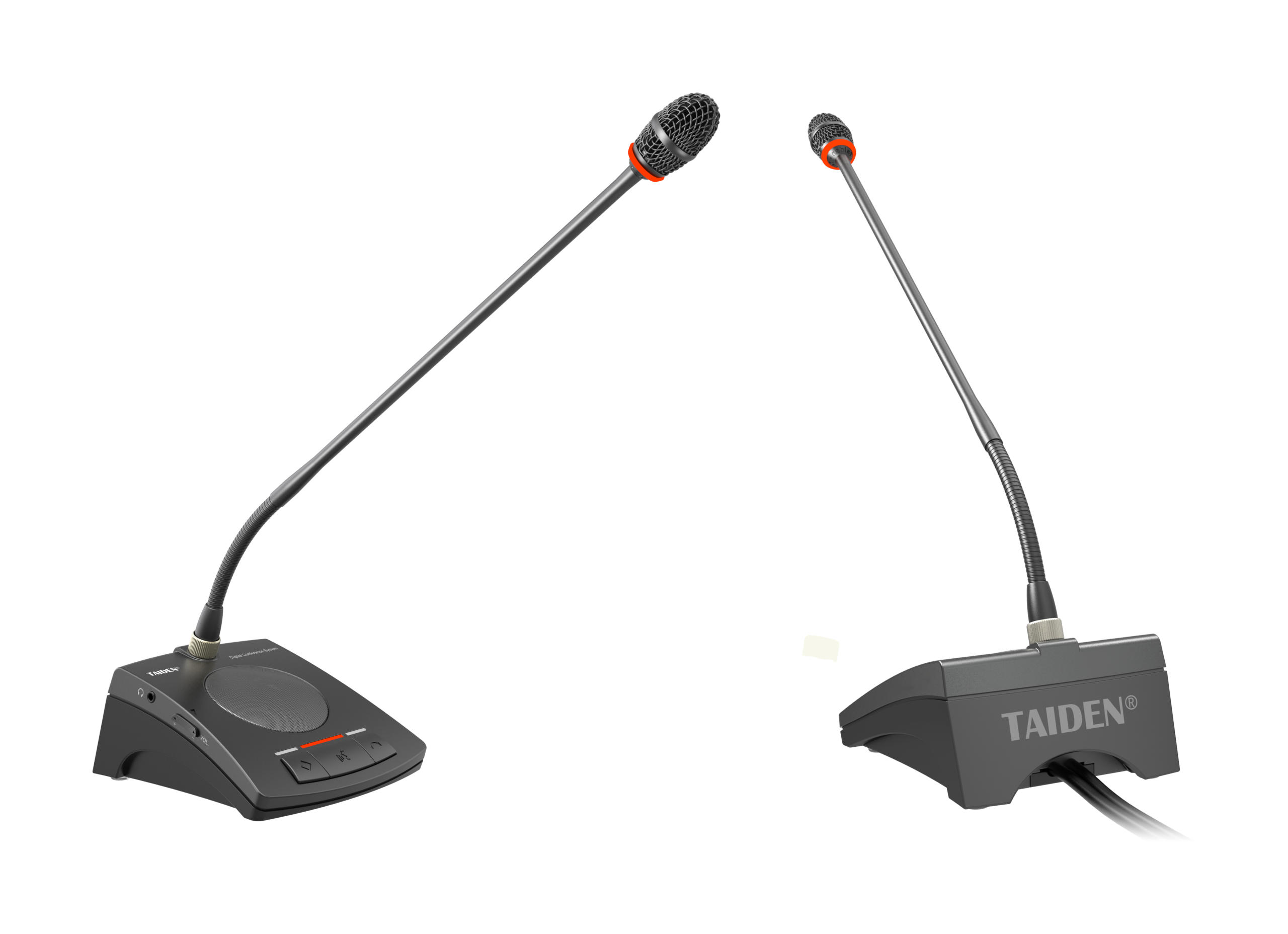
Comparatively, a well-tuned, integrated stack beats a piecemeal rig in setup time, repeatability, and care-and-feeding. It’s also where a modern digital meeting device makes sense: single vendor, matched components, and one update track. Fewer boxes, fewer failure points—better odds when a VIP joins. In practice, aim for these three checks before you buy: 1) intelligibility targets you can measure (STI ≥ 0.6 in occupied rooms); 2) end‑to‑end latency under 150 ms, including processing and network; 3) network resilience with QoS and a jitter buffer you can verify during load—because real traffic is never polite. Keep it simple, keep it measurable, and your team will hear the difference—every day, en serio. For a grounded take on integrated meeting audio done at scale, see TAIDEN.