
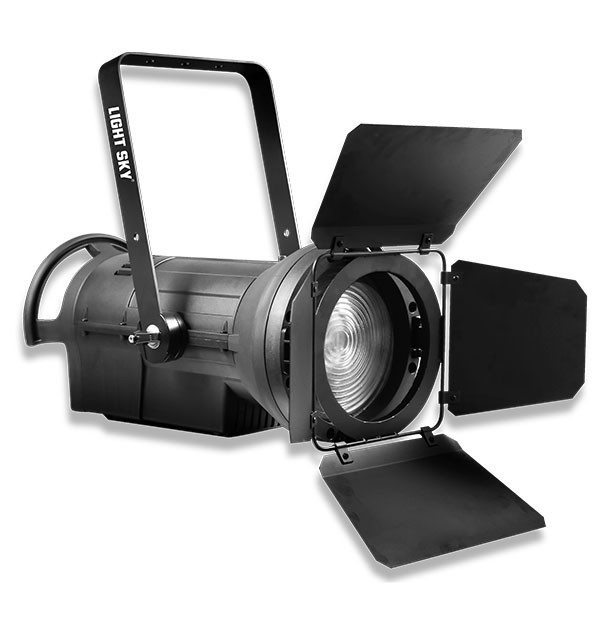
User-first lead: why this matters to designers and technicians
Lighting pros and venue managers care less about buzzwords and more about whether a rig works on show night — so this piece focuses on practical choices and outcomes for the people who run stages. On Broadway and in regional houses the same priorities repeat: reliability, predictable color, and control. Early on you’ll see how a smart stage lighting manufacturer supports those priorities by designing fixtures that slot into existing workflows and DMX infrastructures. This is a practitioner-driven view, informed by rig installs and lessons from large events like the London 2012 opening sequence, where synchronized fixtures made choreography and crowd shots possible without blowing power budgets.

Core tech, explained without fluff
Modern theatre rigs center on three working pieces: fixtures, control, and networking. Fixtures now overwhelmingly use LED engines for color and thermal efficiency; moving head units give dynamic framing, and beam fixtures deliver tight shafts of light. Control runs over DMX or Art-Net and relies on solid dimmer curves and patching discipline. Terms you’ll bump into: LED, DMX, moving head, gobo — each affects what you can shape onstage. If a designer asks for a crisp shaft, they’re really asking about beam angle and beam quality, not marketing terms.
How suppliers translate tech into theater-ready gear
A reliable supplier thinks in repeatable modules: optics that match your stage size, electronics that tolerate heat, and firmware that integrates with consoles. Good manufacturer documentation lists fixture wattage, beam angle, and expected lumen maintenance over time. Production teams want pre-tested color calibration and consistent calibration across units so cues don’t drift. That’s why a stage beam model that ships pre-calibrated and with clear DMX addressing saves hours during focus and tech. Real-world installs prove this — venues replacing old incandescent banks with tuned LED arrays cut heat and reduced lamp swaps while keeping designer intent intact.
Operational teardown — what to check during procurement
When assessing a model or a supplier, look at five things: photometric data, power draw, serviceability, control compatibility, and weight for rigging. Photometric charts tell you throw and beam spread; power draw affects breaker planning; modular components speed a swap during a matinee; and weight matters for truss loads. Also verify IP and cooling specs for touring rigs and house systems. Keep an eye on gobo holder fitment if you expect rapid changes between scenes. These checks turn marketing claims into predictable results on show day.
Common mistakes crews keep making — and how to avoid them
Teams still buy by headline lumen numbers, then discover fixtures have soft edges or odd color shifts under tungsten gels. Another recurring miss: underestimating networking needs — too many universes without proper switches creates dropouts. Patch consistently and document every DMX address. And crews often forget physical maintenance planning — filters and fans need schedules just like lamps did. — A short hands-on checklist mixed into load-in prevents most surprises, especially on tight turnover schedules.
Comparisons and alternatives crews should consider
Beam fixtures versus wash fixtures is a core choice. Beam units excel at aerial effects and long throw; washes are better for even front lighting and broad color washes. Hybrid fixtures exist but expect compromises: lighter rigs ease load-in, while dedicated units usually outperform hybrids at a single task. When replacing legacy units, consider a phased swap: keep a few familiar fixtures for critical cues while integrating new units and updating the console patch. That approach reduces downtime and keeps audiences happy.
Three golden rules for picking gear and partners
1) Prioritize photometric transparency: insist on beam angle plots and lumen maintenance figures so you can plan focus and power. 2) Match control standards: confirm DMX/Art-Net compatibility and test 인터lock features with your console before buying. 3) Check service pathways: verify spare parts availability and expected repair lead times. These three metrics predict whether a supplier becomes a long-term partner or a recurring problem.
Decisions in theatre lighting ultimately affect people on the ground — stagehands, designers, and performers — by reducing stress and smoothing tech rehearsals. For a practical, production-minded choice, trust products from reliable suppliers that document performance and support the rigging and control realities of live shows. Light Sky. —