
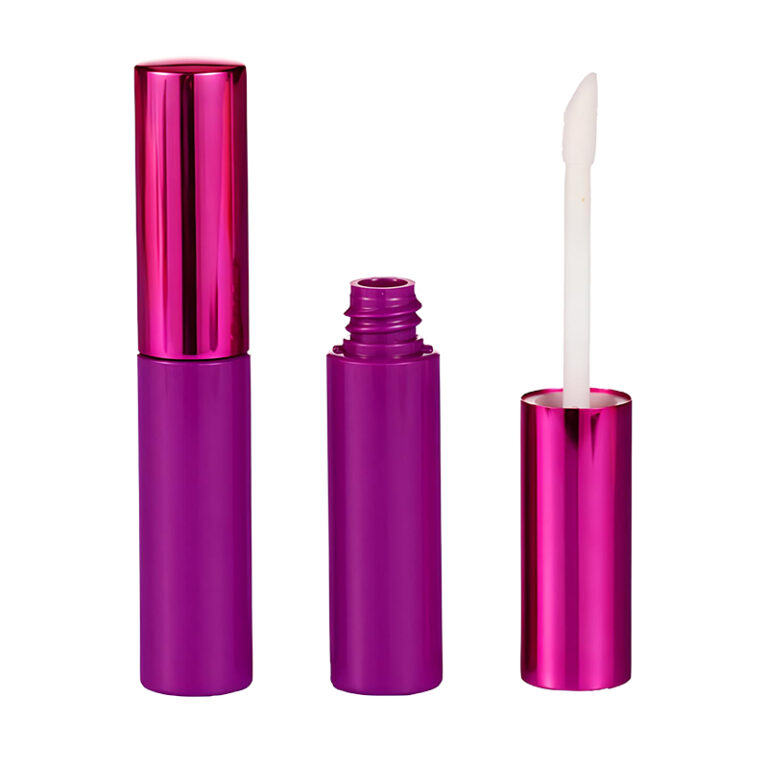
Introduction: The Moment You See Clarity
Look closely: packaging is the first user interface for color, texture, and trust. You pick up a clear lip gloss tube under bright retail lights, and it feels like holding a small window into the future. In that quick moment, a quiet scan runs in your mind—will it leak in my bag, go cloudy, or keep the gloss fresh? Teams behind the shelf already chase the answers with dashboards of test data, measuring haze, cap torque, and seal integrity (yep, even on something this small). The question is simple: if so much testing exists, why do some tubes still fail in real life? — funny how that works, right?
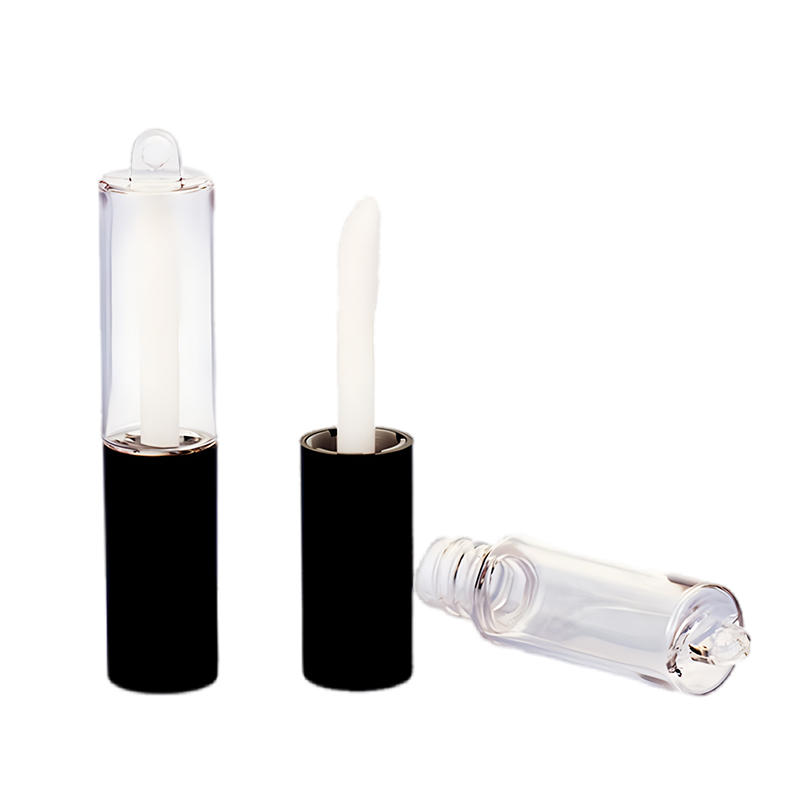
We’ll compare what’s promised with what’s delivered, and why certain choices in materials and design either protect the formula or sabotage it. Let’s step into the details and see how the gaps close.
Hidden Flaws in “Good Enough” Solutions
Why do “clear” tubes go cloudy?
When teams shortlist vendors, clear lip gloss tube manufacturers can look the same on paper. Yet the weak points hide in process and fit. Clouding is not only about resin; it’s also about mold venting and how the wiper scrapes the applicator over time. Resin grades vary in clarity retention. Poor UV stabilizers shift tone under store lights. Uneven wall thickness creates stress, and stress invites micro-cracks. The result: haze. Then there’s leak risk. A cap that feels tight may still drift if torque is not stable. Tolerance stack-up across neck, wiper, and cap threads can creep, and a soft gasket takes a compression set. That’s where minor leaks begin. Technical? Yes. But it’s the everyday truth in packaging.
Look, it’s simpler than you think. The bad pattern shows up when the design is nice, but the seal path is not controlled. Think wiper fit, thread pitch, and seat height. Think fill viscosity and how the applicator displaces air. Simple lab tests miss what happens in a hot car or in a cold warehouse. Real QC needs heat-cool cycling, drop tests, and periodic torque checks. Injection molding precision, resin drying, and consistent cooling matter more than a glossy spec sheet— and no, it’s not magic. The fix starts with material discipline and ends with a clean, repeatable seal.
Next-Gen Clarity: Principles That Raise the Bar
What’s Next
To move past the old pain points, new tooling and materials shift the rules. Multi-layer co-extrusion can keep the outer wall glossy while the inner layer handles the formula. Better UV stabilizers protect tone so clarity lasts. Ultrasonic or laser-assisted joins cut micro-gaps along the seal path. And inline cameras now track defects as parts come off the press. That stream feeds SPC, which trims variation before it reaches the fill line. When brands ask for a cheap clear lip gloss tube, the smart answer is not to cut corners; it’s to optimize the process window so parts stay precise, even under stress. Semi-formal as this sounds, the outcome is plain: fewer returns, cleaner appearance, and a smoother swipe.
Think ahead, not just cheaper. PCR blends can hold clarity when the grade and drying are correct. Anti-scratch coatings keep tubes clear in handbags and bins. Improved wiper geometry reduces drag so bubbles don’t form during use. This is the quiet upgrade path: better resin prep, tighter tolerances, and faster feedback loops on the line. We saw how haze and leaks start; now we compare fixes that stop them early. In short, design for clarity, verify with torque and leak data, and maintain the spec over time. Advisory close: choose partners with three things—measured haze and clarity reporting across batches, stable cap torque retention after heat-cool cycling, and verified leak rates under pressure and drop tests. That’s the practical checklist that keeps the promise of “clear” clear. Learn it once, apply it often, and you’ll feel the difference on every shelf— and in every bag. NAVI Packaging