
Introduction — a shop-floor scene, some numbers, and a question
I still remember walking into a small job shop where finished parts sat in bins, waiting because a single process kept failing — a scene many of us have seen. As I spoke with the floor manager, they told me that many CNC equipment manufacturers face 5–15% scrap rates on average (and yes, that hits margins fast). Where I stood, a worn tool, a mis-set spindle speed, and a lagging quality check told the same story: more waste, same output. So how do we cut waste without slowing production? I’ll share what I’ve learned, from quick fixes to systemic changes, in plain terms — and with a few shop-tested ideas to try next week. Ready to dig in?
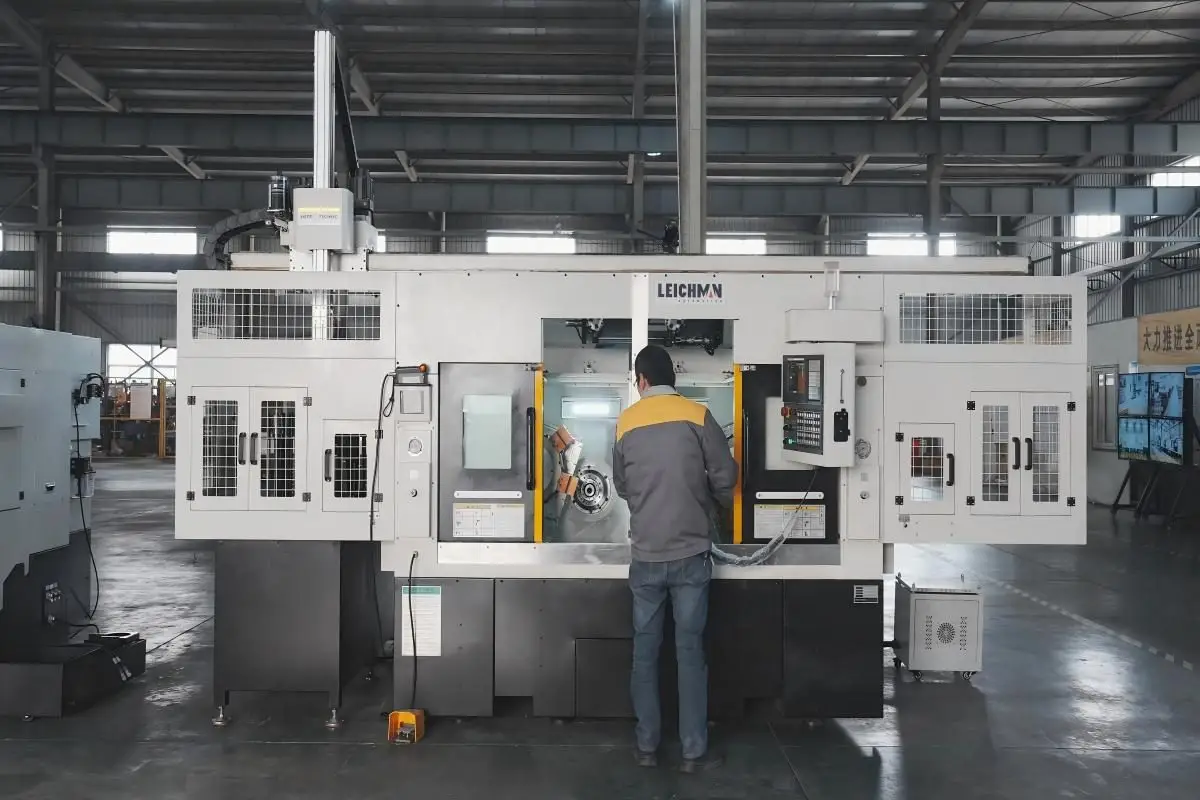
Why modern quick fixes often miss the mark
When shops try to fix scrap, they often bolt on point solutions. I’ve seen that play out: someone installs a sensor, tweaks a recipe, and calls it optimized. But for many lines using cnc machining equipment, that patchwork approach fails to stop recurring issues. The root causes are usually layered — tool wear, misaligned fixtures, poor toolpath optimization, and intermittent spindle speed control. Each factor interacts. A new sensor helps spot one symptom, not the tangled web behind it. Look, it’s simpler than you think: you need systems that talk to each other, not isolated alarms.
Why doesn’t that work?
Think of it this way: a worn cutter will change chip load and heat. That affects surface finish and can mask a mis-set coolant flow. You fix the cutter. Later, the coolant still under-performs because fluid lines were sized for a different power draw. Traditional fixes — tighter tolerances on setup, faster inspections, blunt-name parts swaps — treat each issue in isolation. They ignore feedback loops like closed-loop servo adjustments and real-time tool condition monitoring. The result is an endless cycle of small fixes that never fully break the habit. I know this because I’ve watched teams jump through these same hoops for years — and I got frustrated with the repeat work, too.
New technology principles to stop waste and lift output
Here’s where I get hopeful. New principles focus on systems thinking. First: instrument the process end-to-end. That means linking toolpath optimization software to spindle controllers and to condition sensors (vibration, temp). Second: move analytics to the edge — edge computing nodes process data at the machine, not in a distant cloud, so feedback is instant. Third: close the control loop. Adaptive feedrate and spindle adjustments can extend tool life and keep tolerances tight. When we apply these ideas to cnc milling equipment, the results are measurable. You see fewer rejects, less rework, and steadier throughput — and yes, it’s practical for mid-sized shops, not just big plants.
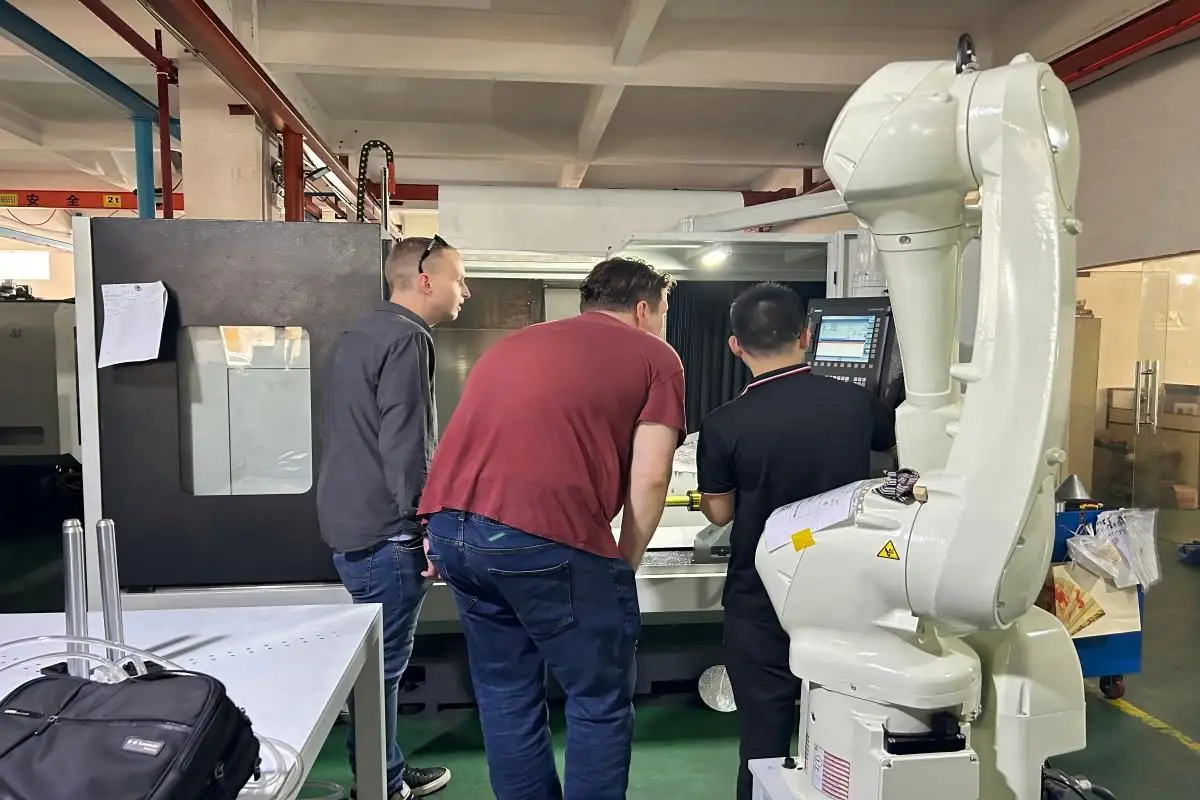
What’s Next?
Start small. Pick one cell, add condition sensors, and tie them to your CNC controller. Use a simple edge node to run basic analytics. Test adaptive control on a repeat job. Measure scrap, cycle time, and tool life before and after. You’ll learn fast — and you can scale what works. I promise the first gains will surprise you — funny how that works, right? Also, keep an eye on power converters and servo motors; efficient drives cut thermal drift and help maintain accuracy over long runs — and I mean that.
Three quick evaluation metrics before you upgrade
When choosing upgrades, I recommend three simple metrics: 1) Scrap reduction percentage — target a measurable drop in rejects over 30 days; 2) Net cycle time change — ensure the fix does not add hidden setup time; 3) Tool life improvement — longer life means lower consumable cost and fewer stops. Use those numbers to decide what to scale. I’ve used this checklist in shops that transformed noisy repair cycles into smooth runs. If you want a partner that understands practical, machine-level improvements, check out Leichman.