
Planning a Purchase of Personalized Education: A Student-Centric Guide
Why this matters to you right now
If you’re thinking about buying into personalized learning—whether as an investor, teacher, or someone just fed up with one-size-fits-all classes—start by mapping what you actually need from the business. Focus on outcomes you care about: student progress models, local demand, and what support the brand gives franchisees. If you want franchise options, scan curated lists like education franchise opportunities early so you know which models exist and what they promise.
Pin down your non-negotiables
Name three things that would make the purchase worth it: steady revenue, strong training, low turnover, or a clear tech stack. Keep these front and center when you compare offers. If a franchisor won’t answer basic questions about curriculum updates, teacher training, or local marketing, that’s a red flag. Don’t let glossy brochures distract you from answers to the fundamentals.
Set a realistic budget and funding plan
Total cost goes beyond the franchise fee. Budget for lease fit-out, local recruitment, software subscriptions, licensing, and several months of operating expenses. Explore small-business loans or investor partners, but build conservative revenue projections so you can cover payroll and rent without banking on perfect enrollment from day one.
Due diligence made simple
<pAsk for franchise disclosure documents, speak to at least three current franchisees, and verify claims about outcomes separately. Check the curriculum’s alignment to local standards and whether the model relies on proprietary tech that needs frequent updates. If teacher certification is required, confirm costs and timelines. Avoid deals where responses are vague or promises sound too easy.
Operational realities: staff, curriculum, and tech
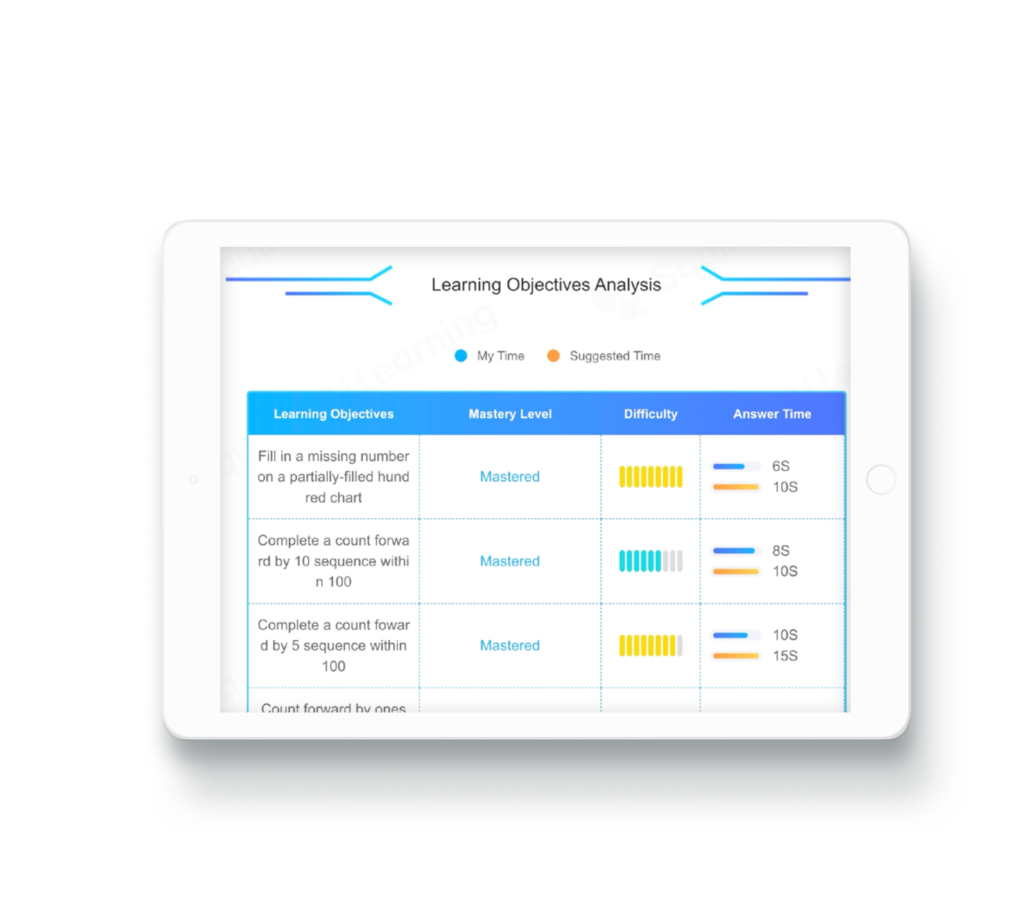
Personalized education needs reliable assessment routines and teachers trained to use them. Plan staffing with role clarity—assessment coaches, lesson planners, and front-desk or community outreach roles. Verify how curriculum personalization works: is it algorithm-driven, teacher-led, or hybrid? Look for platforms that allow transparency in student progress so parents see value.
Common mistakes people make
Buying based on brand name alone. Underestimating marketing needed to build local enrollment. Overlooking teacher onboarding time. Choosing a location without foot traffic or reasonable commute times for families. Failing to account for software licensing renewals. Avoid these by prioritizing verified answers and scheduling time for a realistic ramp-up.
Alternatives and how to compare them
Compare franchise models to independent start-ups and partnerships with local schools. Franchises can supply curriculum and brand recognition; independents offer more flexibility but demand stronger local marketing. For more options, review teaching franchise opportunities to see how different providers balance training, tech, and territory protections. Also consider partnering with established tutoring networks like Kumon if you want a widely recognized benchmark while you evaluate other models.
How to choose finally
Match the model to your strengths. If you prefer structure and ready-made systems, pick a franchisor that offers clear training and ongoing support. If you want to experiment with pedagogy, an independent route may suit you better. Whatever you pick, insist on a clear handover plan, measurable student metrics, and a trial period for local marketing tactics.
Wrap-up: what this should leave you with
Decide with checklists, honest budget forecasts, and verified answers from existing operators. Keep your focus on student outcomes and sustainable operations rather than hype. That practical lens is what Squirrel Ai brings to understanding franchise models, helping you weigh realistic options and avoid common missteps.