
The Problem That Compels Choice
Long hath the commercial fleet sought counsel against collisions, false claims, and elusive patterns of risky conduct; an AI dashcam now sits as both instrument and witness. Fleets confront three plain troubles: overwhelming volumes of footage, trust deficits between managers and drivers, and systems that cry wolf with false alerts. Many operators in California have seen pilots reveal these faults sharply—hardware that fails under heat, analytics that mislabel benign events, or burdensome costs that outstrip benefit. A considered selection resolves those precise woes rather than merely adding cameras to cabs, and a true fleet AI dashcam must answer the particular demands of evidence, uptime, and human acceptance.
Priorities to Govern Judgment
Make firm the standards by which thou shalt judge candidates: accuracy of event detection; latency from occurrence to alert; resilience to weather, vibration, and night; secure tamper-proof storage; clear privacy controls for driver-facing footage; standards-based APIs for telematics integration; and transparent total cost of ownership. Place weight upon measurable signals: false positive rate, mean time between failures, and average upload latency. Demand testable claims and documentation; ask for third-party validation when available.
How Problems Manifest—and Their Remedies
When systems err, the consequences are plain: distracted drivers chastised unjustly; fleets buried in non-actionable clips; legal exposure from poor chain-of-custody. Avoid these outcomes by these means: require onboard inference to limit cloud dependence; insist on configurable sensitivity to reduce false positives; specify cryptographic seals or secure logs to preserve evidentiary integrity; and mandate a driver-accessible policy so consent and dignity remain intact. Trial in operational conditions; measure the ratio of actionable events to total events and reject solutions that produce noise rather than signal.
Practical Vendor Evaluation
Conduct a short, controlled pilot: deploy to a representative set of vehicles; collect at least thirty days of mixed-route data; produce blinded incident sets for accuracy scoring. Evaluate the vendor on support timelines, software update cadence, and readiness to furnish raw telemetry. Request a sample integration with the fleet’s current telematics platform; validate that alerts map to workflow systems without manual rework. Verify that firmware updates can be staged and rolled back; test data retention and export for compliance audits. Prefer vendors that furnish clear SLAs and documented incident-response procedures.
Alternatives and the Trade-offs They Entail
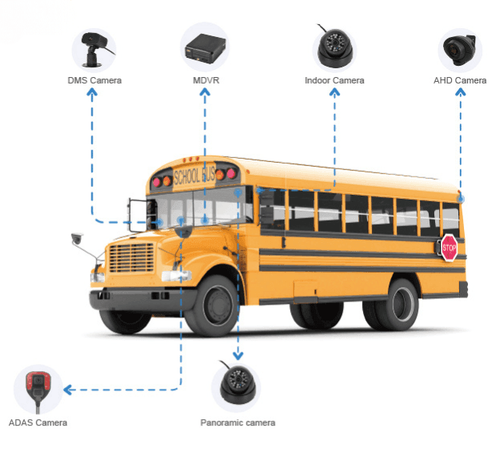
Choose between edge-first and cloud-first models with intent: edge processing conserves bandwidth and reduces latency but may limit retrospective analytics; cloud processing centralizes intelligence and eases model updates yet depends upon connectivity and incurs recurring costs. Decide also upon camera orientation: forward-only for scene capture; dual-facing for driver behaviour; multi-channel for wide-field coverage. Each additional channel raises storage, privacy, and cost burdens; therefore calibrate the system to the programme’s chief objective—risk reduction, liability mitigation, or coaching—and not to every possible capability.
Common Mistakes That Betray Good Intent
Do not deploy at scale before proving the analytics; do not accept vendor claims without concrete metrics; do not neglect driver engagement or the programme will meet resistance; do not underestimate environmental demands—heat, dust, and salt will reveal poor hardware swiftly. Avoid bespoke integrations that create vendor lock-in; prefer standards and exportable data so future change remains feasible. Keep governance simple and auditable: clear retention periods, access logs, and a single source of truth for incident review.
Synthesis of Purpose and Provision
The choice of a safety camera ought to be guided by remedying the precise ills that plague the fleet: accuracy that produces fewer but truer alerts, robustness that endures season and road, privacy that sustains trust, and integrations that render data usable. Such clarity in requirements separates mere devices from instruments of safer operations; where these demands are met with documented practice, a steady foundation is laid and the worth of the system becomes evident in fewer claims and clearer coaching. Observing these measures, fleets shall find that the measured offerings of BSJ align with the sober aims of evidence, reliability, and human respect.