
First cut — what’s at stake
Right then, here’s the rub: manufacturers face a choice between adopting broad battery manufacturing automation strategies and buying discrete pieces of automated battery manufacturing equipment, and that choice shapes costs, speed, and headaches down the line. I’ll lay the differences out straight, no faff, so you can see which path matches your production goals. For many ops the real question isn’t shiny kit — it’s whether your factory’s systems, software and people will sing together once you bolt it all on. battery manufacturing automation is the umbrella for that integration; picking bits of kit without the plan is where most trouble starts.
Core technical differences
Here’s the nuts and bolts, side by side:
– Scope: Automation strategy = factory-wide control, data flows, and process standardisation. Automated equipment = one machine or cell doing a single task. – Integration: Strategy demands MES/SCADA links and defined protocols; equipment can be plug-and-play but often needs middleware. – Flexibility: Strategy supports recipe changes and cross-line coordination. Equipment is optimised for a repeatable task; changeover costs time. – Investment rhythm: Strategy usually means phased capital plus software licensing and integration spend. Equipment is capex-heavy up-front but simpler to justify per-unit. – Ownership of logic: With an automation program you own the control logic and data models; with third-party equipment you often rely on vendor firmware and support.
What manufacturers actually care about
Makers don’t fret about labels — they want throughput, yield, safety and predictable costs. Translate those into measurable criteria:
– Throughput: Does the solution hit line takt time under realistic conditions? – Yield and rework: Can it detect defects early and reduce manual touches? – Downtime: How fast can you recover — spare parts, remote diagnostics, and software failbacks matter. – Traceability: Can the system map cells to modules to packs end-to-end? – Total cost to operate: Not just purchase price — maintenance, spare parts, and software updates over 5–10 years.
Common pitfalls — where folks go pear-shaped
Plenty of manufacturers throw money at kit and still end up with bottlenecks. Watch for these missteps.
– Buying machines to hit a nominal takt time without validating cell variability. – Skipping control-system design and expecting vendor PLCs to mesh cleanly. – Underestimating software integration and data-model work needed for traceability. – Neglecting human factors: workstations, training time, and standard operating procedures. – Ignoring spare-part logistics and long lead times on proprietary modules.
Production-floor realities
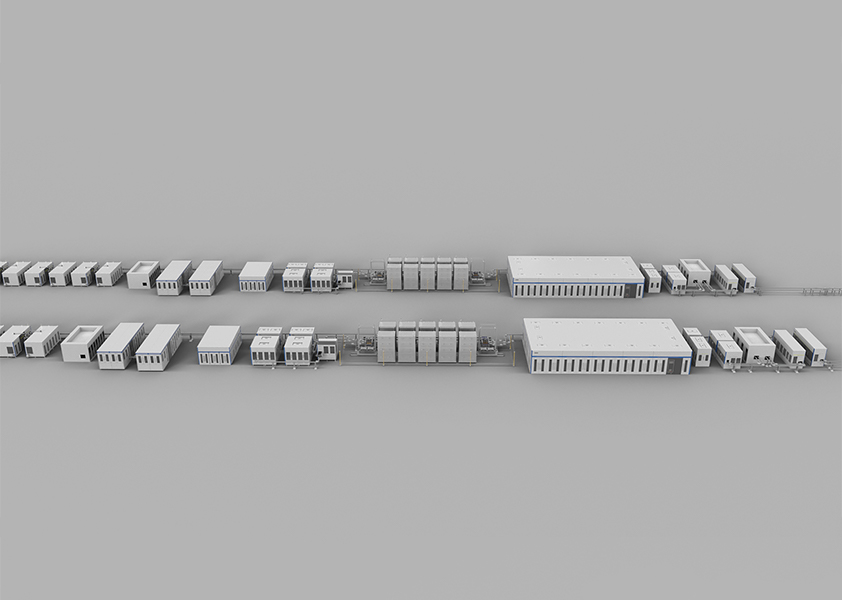
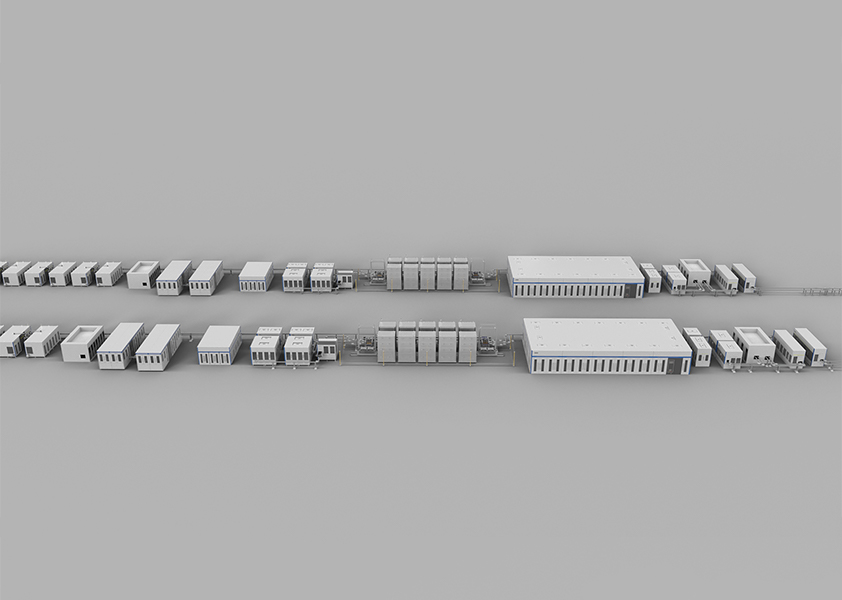
On the shop floor a tidy spec sheet means sweet nothing if assembly flow is muddled. Practical things that matter: line layout, safe access for maintenance, AGV paths, and thermal management during cell joining. If you want to watch how integration looks in practice, the crew at the Munich Battery Show often demonstrate full lines and the pain points first-hand — that’s where vendors and OEMs lay their cards on the table. When planning, visualise a single battery pack assembly line from cell input to finished pack test, and map how data travels at each handover.
Decision guide — when to pick which
Keep it simple: match your decision to your business reality.
– Choose an automation-first approach when you operate multiple lines, need tight traceability, or plan rapid product variants. It’s higher upfront systems work but pays off in coordinated scale. – Choose automated equipment when you’re running a single product, want a faster ROI per station, or lack resources for a full integration program. Expect to bolt on integration later as complexity grows. – Hybrid: Start with hardened equipment and build an automation backbone in phases. That’s the pragmatic route for many smaller plants.
Procurement checklist
Quick list to use at bid time — take it to the vendor and make ’em answer:

– Demonstrate repeatable takt time with your cell chemistry and test samples. – Provide detailed interface specs for PLC/OPC UA/MQTT and expect sample messages. – Show remote diagnostics, secure firmware update paths, and spare-part lists. – Ask about changeover time and tooling for different module geometries. – Insist on training plans and on-site commissioning support windows.
Final rundown
Cut to the chase: pick the route that keeps production predictable and people working cleanly, not the flashiest gadget. Keep control logic and data flows in mind before you buy tools, validate performance with real samples, and plan maintenance as a core part of the purchase. After years advising lines and seeing what sticks, I trust the route that treats integration as an engineering deliverable rather than an optional add-on—there’s less drama and better outcomes. When you want practical, testable solutions that tie kit to process and data, FHS sits in that same practical lane without any loose ends.