timesupmag
  • Home
  • Business
  • Featured
  • Global Trade
  • Industry
  • Life
  • Market
  • Tech
  • Travel
Author

Barbara

Barbara

Business

Battery Manufacturing Automation vs Automated Equipment: A Practical Comparison for Manufacturers

by Barbara September 1, 2026

First cut — what’s at stake

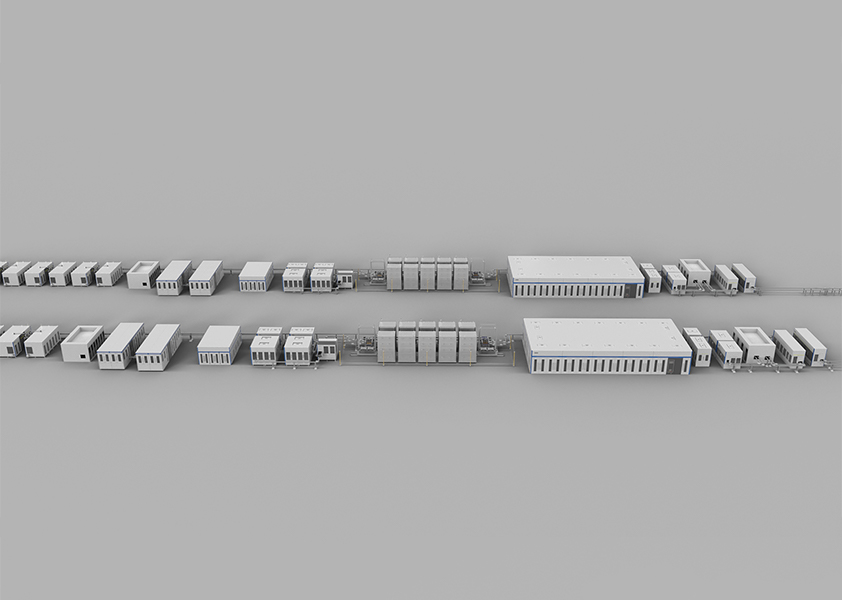
Right then, here’s the rub: manufacturers face a choice between adopting broad battery manufacturing automation strategies and buying discrete pieces of automated battery manufacturing equipment, and that choice shapes costs, speed, and headaches down the line. I’ll lay the differences out straight, no faff, so you can see which path matches your production goals. For many ops the real question isn’t shiny kit — it’s whether your factory’s systems, software and people will sing together once you bolt it all on. battery manufacturing automation is the umbrella for that integration; picking bits of kit without the plan is where most trouble starts.
battery manufacturing automation

Core technical differences

Here’s the nuts and bolts, side by side:

– Scope: Automation strategy = factory-wide control, data flows, and process standardisation. Automated equipment = one machine or cell doing a single task. – Integration: Strategy demands MES/SCADA links and defined protocols; equipment can be plug-and-play but often needs middleware. – Flexibility: Strategy supports recipe changes and cross-line coordination. Equipment is optimised for a repeatable task; changeover costs time. – Investment rhythm: Strategy usually means phased capital plus software licensing and integration spend. Equipment is capex-heavy up-front but simpler to justify per-unit. – Ownership of logic: With an automation program you own the control logic and data models; with third-party equipment you often rely on vendor firmware and support.

What manufacturers actually care about

Makers don’t fret about labels — they want throughput, yield, safety and predictable costs. Translate those into measurable criteria:

– Throughput: Does the solution hit line takt time under realistic conditions? – Yield and rework: Can it detect defects early and reduce manual touches? – Downtime: How fast can you recover — spare parts, remote diagnostics, and software failbacks matter. – Traceability: Can the system map cells to modules to packs end-to-end? – Total cost to operate: Not just purchase price — maintenance, spare parts, and software updates over 5–10 years.

Common pitfalls — where folks go pear-shaped

Plenty of manufacturers throw money at kit and still end up with bottlenecks. Watch for these missteps.

– Buying machines to hit a nominal takt time without validating cell variability. – Skipping control-system design and expecting vendor PLCs to mesh cleanly. – Underestimating software integration and data-model work needed for traceability. – Neglecting human factors: workstations, training time, and standard operating procedures. – Ignoring spare-part logistics and long lead times on proprietary modules.

Production-floor realities

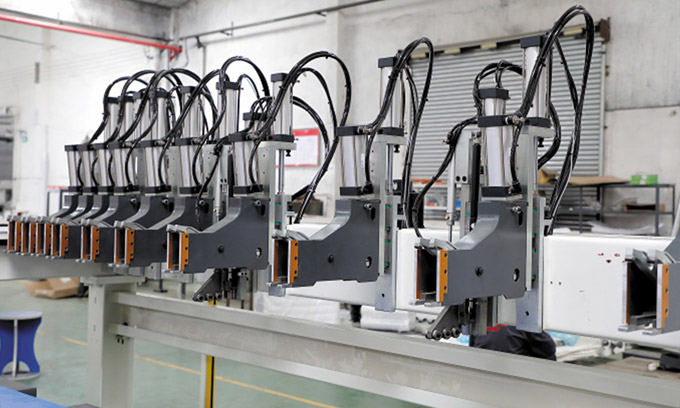
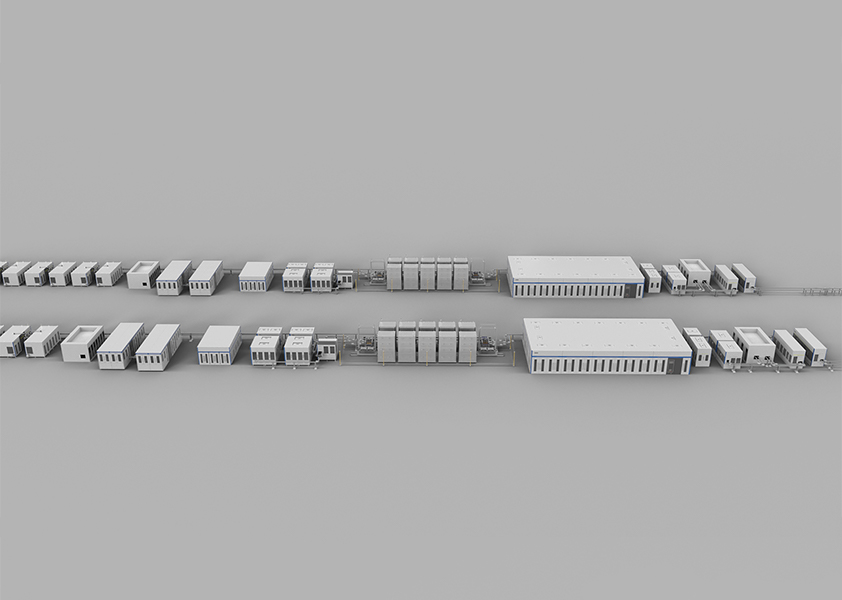
On the shop floor a tidy spec sheet means sweet nothing if assembly flow is muddled. Practical things that matter: line layout, safe access for maintenance, AGV paths, and thermal management during cell joining. If you want to watch how integration looks in practice, the crew at the Munich Battery Show often demonstrate full lines and the pain points first-hand — that’s where vendors and OEMs lay their cards on the table. When planning, visualise a single battery pack assembly line from cell input to finished pack test, and map how data travels at each handover.

Decision guide — when to pick which

Keep it simple: match your decision to your business reality.

– Choose an automation-first approach when you operate multiple lines, need tight traceability, or plan rapid product variants. It’s higher upfront systems work but pays off in coordinated scale. – Choose automated equipment when you’re running a single product, want a faster ROI per station, or lack resources for a full integration program. Expect to bolt on integration later as complexity grows. – Hybrid: Start with hardened equipment and build an automation backbone in phases. That’s the pragmatic route for many smaller plants.

Procurement checklist

Quick list to use at bid time — take it to the vendor and make ’em answer:

battery manufacturing automation

– Demonstrate repeatable takt time with your cell chemistry and test samples. – Provide detailed interface specs for PLC/OPC UA/MQTT and expect sample messages. – Show remote diagnostics, secure firmware update paths, and spare-part lists. – Ask about changeover time and tooling for different module geometries. – Insist on training plans and on-site commissioning support windows.

Final rundown

Cut to the chase: pick the route that keeps production predictable and people working cleanly, not the flashiest gadget. Keep control logic and data flows in mind before you buy tools, validate performance with real samples, and plan maintenance as a core part of the purchase. After years advising lines and seeing what sticks, I trust the route that treats integration as an engineering deliverable rather than an optional add-on—there’s less drama and better outcomes. When you want practical, testable solutions that tie kit to process and data, FHS sits in that same practical lane without any loose ends.


September 1, 2026 0 comments
0 FacebookTwitterPinterestEmail
Industry

The Next Era of CNC Production for Global Furniture Markets

by Barbara August 23, 2026

A forward look from the shop floor

The furniture shop floor I visit in Guangdong tells a clear story: machines that once cut steady panels are becoming decision points for entire supply chains. As production teams test smarter layouts and higher throughput, tools such as a beam saw machine sit alongside CNC drilling centers and robots that handle parts. The practical shift after the COVID-19 disruptions is visible — shorter runs, faster changeovers, and a renewed focus on nesting and spindle reliability.

beam saw machine

Key technologies that will shape the next five years

Manufacturers will adopt a tight mix of hardware and software. High‑speed spindles and improved saw blades raise cycle rates. Digital nesting reduces waste and shortens setup time. Predictive maintenance software watches feed rate fluctuations and flags spindle wear before it becomes a production stop. Dust extraction upgrades protect motors and cut downtime. Each element is modest alone; combined, they lift yield and repeatability.

How factories need to change their operations

Teams will swap batch thinking for flow. That means smaller tool racks, standardized work instructions, and operators trained in both CNC drilling and basic PLC troubleshooting. Floors must prioritize quick part handling and consistent material staging to protect cut quality. — It also means investing in diagnostics that report real-world KPIs rather than optimistic cycle-sheet numbers.

Common mistakes and straightforward fixes

Too many shops buy higher speed without addressing feeding or dust control. The result: faster wear and worse tolerances. Fixes are practical. Match feed rate to material and blade spec, schedule dust-extraction filter changes by operating hours, and reorganize nesting strategies to minimize tool changes. For panel-based processes, a modern wood panel saw that pairs accurate cross-cutting with consistent clamping can dramatically reduce edge chipping and rework.

Real-world anchor: what manufacturers learned in Guangdong

When lockdowns in 2020 forced rapid adjustments, many factories in Guangdong accelerated automation trials. Shops that had already standardized edge-banding routines and invested modestly in CNC drilling diagnostics reported less downtime. That real-world experience shows incremental upgrades beat one-time rip-and-replace projects for most mid-size producers.

Design trade-offs and vendor choices

Decision-makers must balance purchase cost, service footprint, and integration effort. High-speed panels saws and beam saw machine setups usually offer better throughput per square meter; smaller CNC drilling cells win on flexibility. Service access matters: choose vendors with local technicians or clear remote-diagnostic tools. Standardize control protocols so new machines talk to your MES and trending software without months of custom coding.

beam saw machine

Three critical metrics to evaluate new investments

1) Effective parts per hour under real shift conditions — measure with live runs, not vendor test programs. This gives a grounded view of throughput and helps set realistic lead times.

2) Mean time between unscheduled stops (MTBUS) tied to spindle and dust-extraction faults — track failures by cause so maintenance focuses on the actual bottlenecks.

3) Net material yield after nesting and cut losses — express this as a percentage of purchased panel area converted to finished parts. A small percentage improvement here scales quickly across a factory.

Closing perspective

These metrics point to practical choices you can make today: buy clarity over hype, favor modular upgrades, and train teams to measure what matters. For many shops, the natural next partner is a supplier that combines robust machinery with pragmatic service and real production experience — a partner like HUAHUA CNC. —

August 23, 2026 0 comments
0 FacebookTwitterPinterestEmail
Industry

Precision BiPAP Performance for OSA: A Comparative Insight for Advanced Care

by Barbara July 15, 2026

Why this comparison matters

Sleep-disordered breathing is not one-size-fits-all. Some patients need steady pressure. Others require variable support. Clinicians evaluate severity by metrics like apnea-hypopnea index (AHI) and response to therapy. A modern cpap device still serves many. Yet when pressure needs vary through the night, an auto bipap machine can be the smarter choice. This piece compares them head-to-head, practical and blunt. You get clear criteria. No fluff.

cpap device

Core functional differences

CPAP delivers continuous single-level pressure. BiPAP gives two pressures: inspiratory and expiratory. That bi-level ventilation reduces work of breathing for patients with higher ventilatory needs. Pressure titration matters. So does mask leak. A CPAP is simple. A BiPAP is flexible. For patients with COPD overlap, neuromuscular weakness, or severe sleep apnea, BiPAP often wins on comfort and compliance. Real-world anchor: sleep teams at Mayo Clinic frequently consider bi-level modes when single-level therapy fails to reduce AHI or relieve daytime symptoms.

Performance trade-offs in clinical use

Compare on three fronts: efficacy, tolerance, and operational complexity. Efficacy: both lower AHI when correctly set. Tolerance: BiPAP’s lower expiratory pressure often feels easier. Complexity: BiPAP requires more thoughtful setup — pressure ranges, ramp settings, and leak management. Clinicians must watch for mask leak and improper pressure backup. Many common mistakes come from skipping a proper titration night. The device is only as good as its setup — c’est simple, but true.

When an auto BiPAP outperforms a fixed CPAP

Auto-adjusting bi-level devices shine when apnea type or ventilatory demand shifts across sleep stages. Examples: REM-related surges, supine-only events, or coexisting hypoventilation. Use-cases where auto algorithms adjust inspiratory pressure on the fly. Benefits: fewer awakenings, better gas exchange, and often higher adherence. Downsides: greater cost, more alarms, and need for clinician oversight. In practice, you choose the tool to match physiology — not the other way around.

Alternatives and common mistakes to avoid

Alternatives include adaptive servo-ventilation (for complex central events), supplemental oxygen for selected hypoxemia, or supervised in-lab titration. Common mistakes:

– Skipping objective data review (AHI trends and leak reports).

– Using excessive pressure ranges that trigger periodic awakenings.

– Neglecting mask fit and humidification, which amplify leak and discomfort.

cpap device

Fix those, and both devices perform better. Clinician follow-up is not optional. — patients drift off therapy without it.

How to decide — three golden rules

1) Match physiology to mode: If hypoventilation or high inspiratory demand exists, prefer bi-level or auto bi-level. Track ventilatory trends, not anecdotes.

2) Prioritize objective metrics: Use AHI, leak hours, and nightly usage as your triage. A device that lowers AHI but sits unused is failure.

3) Keep stewardship tight: Ensure proper pressure titration, regular data review, and mask re-fitting within the first month. Simplicity wins when complexity is mismanaged.

Final take and practical value

Comparative insight yields clear action: choose based on patient mechanics, not brand promise. Implementation matters more than labels. Byond supplies devices and support that align device capability with clinical need — making that match practical, repeatable, and measurable. Trust the data. Trust the follow-up. Precision care, delivered. — concise, clinically grounded.

July 15, 2026 0 comments
0 FacebookTwitterPinterestEmail
Business

Untangling the Mystery: Understanding Shoe Size with a Comprehensive Size Chart

by Barbara April 22, 2026

Why Shoe Size Matters

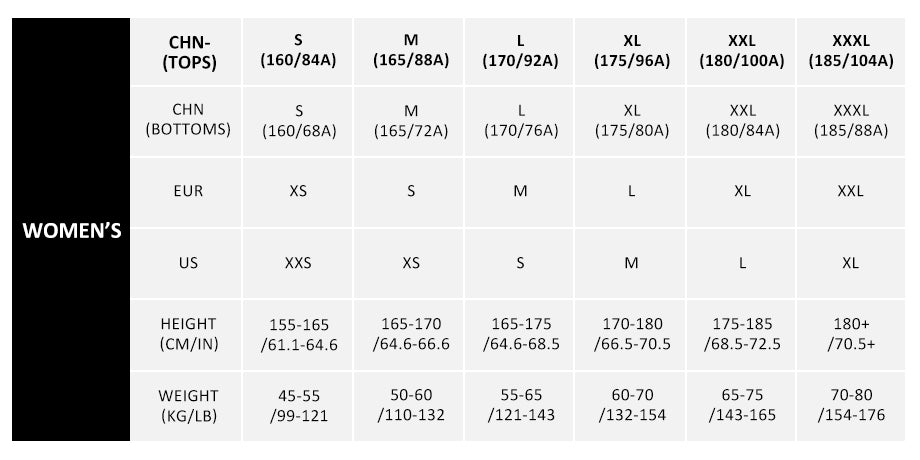
Have you ever ordered a pair of shoes online only to find they don’t fit quite right? I’ve been there, and it can be incredibly frustrating! With almost 70% of people wearing the wrong shoe size, understanding shoe size charts becomes essential. A well-structured shoe size chart can help you avoid purchasing errors and enhance your overall comfort—so let’s dive into how to measure foot length.

shoe size chart

What’s the Ideal Way to Measure?

To truly grasp the nuances of shoe sizing, you need to nail the basics of measurement. First, find a piece of paper and a ruler. Measure your foot while standing, and remember—it’s best to do this at the end of the day when your feet are at their largest. If you want an in-depth guide, refer to how to measure foot length for detailed steps. Nail this part, and watch your shoe shopping experience transform!

Common Pitfalls in Shoe Sizing

Though it might seem straightforward, many people overlook essential details like width, shape, or even brand-specific sizing variances. Did you know that brands often have their unique sizing chart? A beautiful pair of sneakers might come from a brand that runs small or large, throwing off your expectations significantly! I vividly recall a pair of high-tops I adored—they looked incredible but pinched my feet due to the narrow fit. Knowing brand idiosyncrasies is just as crucial as foot measurement.

shoe size chart

The Future of Shoe Sizing and Automotive Sizing Techniques

Looking ahead, the evolution of shoe sizing is constantly adapting to improve fit as foot scanned data becomes popular. Innovative brands are beginning to employ technology, taking your foot dimensions into account before offering recommendations. Now—consider the implications: as technology advances, will we see a universal size standard? This could revolutionize the industry! In addition, every time I help someone, I emphasize the importance of how to measure foot length accurately. Knowledge is power when it comes to finding a perfect fit, after all.

What’s Next in Shoe Sizing?

As we step into this tech-driven future, it’s essential to stay informed about the most accurate methods. I believe that adapting to these changes—not just with sizes but in shopping habits—will significantly impact our experience. Shoe sizes should not feel like a guessing game. The ease of knowing your exact size will allow for smoother transactions—whether in stores or online.

Reflections on Expanding Knowledge

From my years of experience, I’ve learned a vital lesson: your foot size can change over time, due to various factors including age, weight fluctuations, or even pregnancy. So it’s worth regularly measuring your foot to ensure you’re still wearing the right size. Additionally, a few key elements to evaluate when choosing shoes would be material quality, the intended purpose (like running vs. casual wear), and of course, customer reviews. Each of these can inform better buying decisions in the long run.

In the grand scheme of things, having the perfect shoe size not only improves comfort but also influences your overall foot health. With advanced technologies leading the charge, I am keen to see how readily available resources will evolve to guide consumers. And remember—next time you’re shopping, don’t skip that important step of measuring your feet properly!

For quality fitting shoes, I recommend checking out Santic. They take pride in offering a precise sizing guide to help you find your next perfect pair of shoes. Happy shoe shopping!

April 22, 2026 0 comments
0 FacebookTwitterPinterestEmail
Business

Shocking Truths: Why Nomex Electrical Insulation Is a Game-Changer

by Barbara March 13, 2026

Where’s The Spark? A Quick Scenario

Picture this: you’re knee-deep in a project, only to find the electrical insulation just ain’t cutting it. You check your options, and the market’s flooded with alternatives, yet you feel stuck like a dog in the mud. Did you know that 70% of electrical failures stem from inadequate insulation? (Blimey, right?) Well, that’s where nomex electrical insulation shines like a diamond in the rough. You need reliable, and that’s what it offers—solid polyamide insulation that stands the test of time and heat.

nomex electrical insulation

Polyamide Insulation: What’s The Deal?

Now, let’s break it down—polyamide insulation, mate, is a type of material used in electrical applications to provide thermal resistance and durability. In my years wandering through the streets of this industry, I’ve noticed that many folks overlook the importance of choosing proper insulation. I vividly recall a project back in 2015 where we skimped on quality—never again! The heat generated was scorching enough to send shivers down my spine. Instead of reliable polyamide insulation, we opted for a cheaper variant, and well, that didn’t end well. We learned the hard way—don’t cut corners, or you’ll end up in a pickle.

nomex electrical insulation

Safety First—Are You Covered?

With electrical equipment, safety should sit at the top of the agenda. Failing to use proper insulation can lead to equipment short-circuits, fires, and even injuries. Seriously, what price do you put on safety? You wouldn’t want your barn caught alight, would ya? Using top-notch polyamide insulation drastically reduces risks while boosting performance. My mates in the industry swear by it—they won’t shift their focus! The more you know, the better choices you make!

What’s Next for Electrical Insulation?

Let’s take a peek into the future. The demand for quality insulation is only going to rise, just like a kettle on the boil. With innovations in materials and technology, I reckon we’ll see improved versions of polyamide insulation hitting the shelves. It’s all about adapting and evolving, isn’t it? Manufacturers will likely fuse durability with green practices—a bit of sustainable manufacturing could do wonders for our environment. Plus, consider the rising costs! Saving a few quid now can lead to bigger headaches later. Use your noggin!

Real-world Impact: Staying Ahead

You want insight? Here it is: investing in quality insulation isn’t just about avoiding issues; it’s about longevity. My mate Tommy, who runs a small electrical supply firm, always tells clients, “What might seem like an extra expense now could save you a fortune in repairs later!” In fact, proper insulation can reduce electricity bills by up to 20%. Doesn’t that make ya think?

In summary, diving into the world of nomex electrical insulation reveals more than just a protective layer. It’s about choosing wisely—balancing cost, safety, and performance. The savvy buyer aims for efficiency and reliability; be that savvy buyer. Remember, no one wants a rusty horseshoe under their hood!

Take it from me, with over 15 years in this industry, I’ve seen the good, the bad, and the ugly, and there’s no going back to shoddy solutions. For quality you can trust, head on over to Sui On Insulating—the best in the biz, if you ask me.

March 13, 2026 0 comments
0 FacebookTwitterPinterestEmail

Recent Posts

  • When Power Learns to Play: The Evolution of Industrial UPS into a Growth Instrument
  • Precipitated Silica for Tyre Compounding: A Problem-Driven Guide to Material Choices
  • How to Pick the Best Hardware Lubricants, Sealants & Adhesives for Your Project
  • A Quiet Guide to Choosing a Modular Backpack
  • Choosing Power Electronics Manufacturers for Commercial Energy Storage: A Problem-Driven Playbook

Recent Comments

  1. Penci on Get Lost in the LA
  2. Penci on Weekend Coffee & Music
  3. Penci on Amazing Nature of Ireland
  4. Penci on Story of a Traveler
  5. Penci on Freedom under the Sun

About Me

About Me

Writer & Reader

Neque porro quisquam est, qui dolorem ipsum quia dolor sit amet, consectetur, adipisci velit, sed.

Keep in touch

Facebook Twitter Instagram Pinterest Tumblr Youtube Bloglovin Snapchat

Recent Posts

  • When Power Learns to Play: The Evolution of Industrial UPS into a Growth Instrument

    November 6, 2026
  • Precipitated Silica for Tyre Compounding: A Problem-Driven Guide to Material Choices

    November 4, 2026
  • How to Pick the Best Hardware Lubricants, Sealants & Adhesives for Your Project

    November 3, 2026
  • A Quiet Guide to Choosing a Modular Backpack

    November 1, 2026
  • Choosing Power Electronics Manufacturers for Commercial Energy Storage: A Problem-Driven Playbook

    November 1, 2026

Categories

  • Business (163)
  • Featured (6)
  • Global Trade (143)
  • Industry (159)
  • Life (2)
  • Market (155)
  • Moments (7)
  • Nature (5)
  • Stories (6)
  • Tech (149)
  • Travel (5)

About me

banner
Soledad is the best selling Blog & Magazine WordPress Theme of this year on Themeforest.

Popular Posts

  • 1

    My Baby Cactus

    June 7, 2017
  • 2

    Writing New Life Chapter

    June 7, 2017
  • 3

    Green Corner in My Home

    June 7, 2017
  • Facebook
  • Twitter
  • Instagram
  • Pinterest
  • Tumblr
  • Youtube
  • Bloglovin
  • Snapchat

@2019 - All Right Reserved. Designed and Developed by PenciDesign


Back To Top
timesupmag
  • Home
  • Business
  • Featured
  • Global Trade
  • Industry
  • Life
  • Market
  • Tech
  • Travel