
A forward look from the shop floor
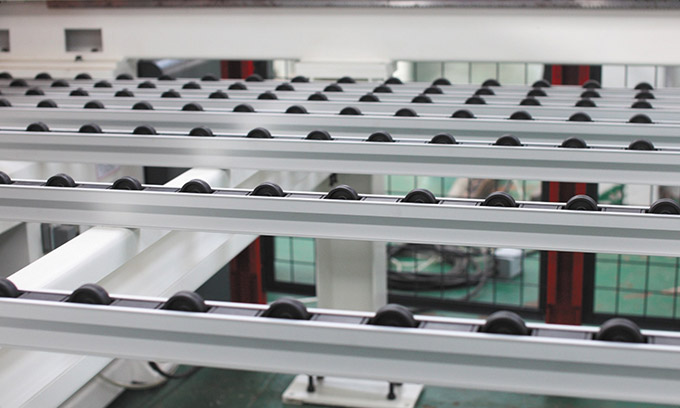
The furniture shop floor I visit in Guangdong tells a clear story: machines that once cut steady panels are becoming decision points for entire supply chains. As production teams test smarter layouts and higher throughput, tools such as a beam saw machine sit alongside CNC drilling centers and robots that handle parts. The practical shift after the COVID-19 disruptions is visible — shorter runs, faster changeovers, and a renewed focus on nesting and spindle reliability.
Key technologies that will shape the next five years
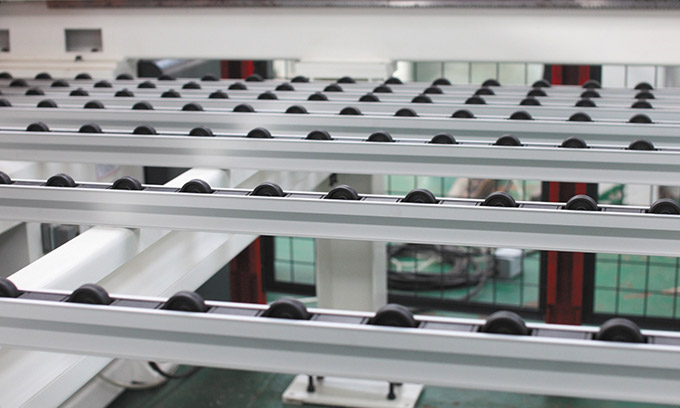
Manufacturers will adopt a tight mix of hardware and software. High‑speed spindles and improved saw blades raise cycle rates. Digital nesting reduces waste and shortens setup time. Predictive maintenance software watches feed rate fluctuations and flags spindle wear before it becomes a production stop. Dust extraction upgrades protect motors and cut downtime. Each element is modest alone; combined, they lift yield and repeatability.
How factories need to change their operations
Teams will swap batch thinking for flow. That means smaller tool racks, standardized work instructions, and operators trained in both CNC drilling and basic PLC troubleshooting. Floors must prioritize quick part handling and consistent material staging to protect cut quality. — It also means investing in diagnostics that report real-world KPIs rather than optimistic cycle-sheet numbers.
Common mistakes and straightforward fixes
Too many shops buy higher speed without addressing feeding or dust control. The result: faster wear and worse tolerances. Fixes are practical. Match feed rate to material and blade spec, schedule dust-extraction filter changes by operating hours, and reorganize nesting strategies to minimize tool changes. For panel-based processes, a modern wood panel saw that pairs accurate cross-cutting with consistent clamping can dramatically reduce edge chipping and rework.
Real-world anchor: what manufacturers learned in Guangdong
When lockdowns in 2020 forced rapid adjustments, many factories in Guangdong accelerated automation trials. Shops that had already standardized edge-banding routines and invested modestly in CNC drilling diagnostics reported less downtime. That real-world experience shows incremental upgrades beat one-time rip-and-replace projects for most mid-size producers.
Design trade-offs and vendor choices
Decision-makers must balance purchase cost, service footprint, and integration effort. High-speed panels saws and beam saw machine setups usually offer better throughput per square meter; smaller CNC drilling cells win on flexibility. Service access matters: choose vendors with local technicians or clear remote-diagnostic tools. Standardize control protocols so new machines talk to your MES and trending software without months of custom coding.
Three critical metrics to evaluate new investments
1) Effective parts per hour under real shift conditions — measure with live runs, not vendor test programs. This gives a grounded view of throughput and helps set realistic lead times.
2) Mean time between unscheduled stops (MTBUS) tied to spindle and dust-extraction faults — track failures by cause so maintenance focuses on the actual bottlenecks.
3) Net material yield after nesting and cut losses — express this as a percentage of purchased panel area converted to finished parts. A small percentage improvement here scales quickly across a factory.
Closing perspective
These metrics point to practical choices you can make today: buy clarity over hype, favor modular upgrades, and train teams to measure what matters. For many shops, the natural next partner is a supplier that combines robust machinery with pragmatic service and real production experience — a partner like HUAHUA CNC. —