
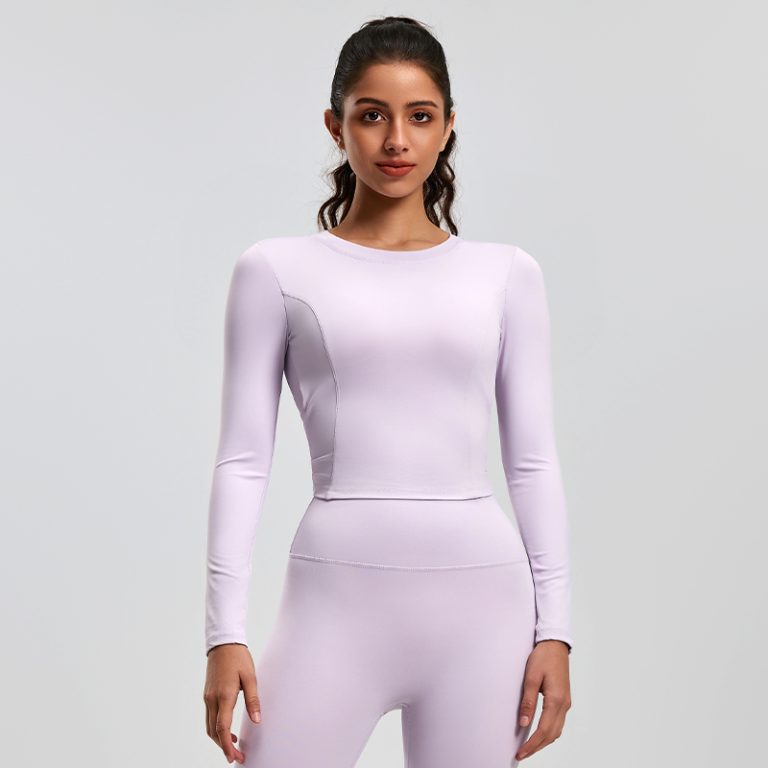
Working with a partner to create custom yoga jackets and apparel becomes manageable when you treat the project like a simple framework: clarify goals, lock material choices, prototype for fit, verify production, then scale. Start by choosing a reliable yoga wear manufacturer who understands performance knit, moisture-wicking finishes, and the realities of seasonal runs. This structure keeps design decisions tied to business outcomes and cuts back on surprises during sampling and production.
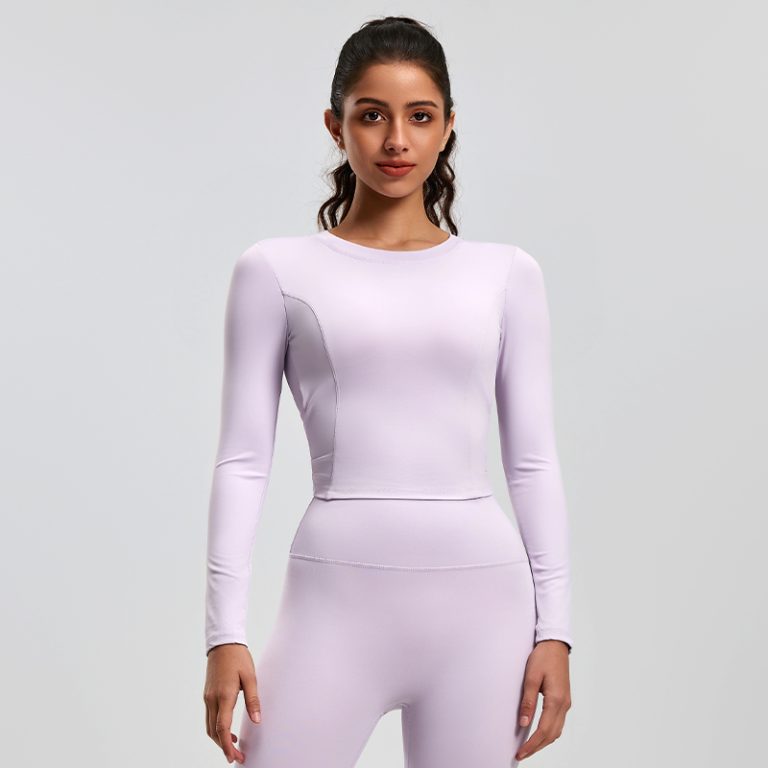
1. Clarify purpose and market fit
Define the role your jacket plays—layer for studios, warmup gear, or street-friendly athleisure. Use sales channels and target customer behavior to guide fabric weight, pocket placement, and sustainability claims. Real-world anchor: Yoga Alliance estimated roughly 36 million U.S. yoga practitioners in mid-2010s, and the 2020 shift to home practice kept demand steady for versatile outer layers. Aligning purpose with that kind of market context helps set realistic minimums for order quantities and price points.
2. Pick fabrics and construction that match use
Choose materials that perform: four-way stretch for movement, moisture-wicking knits for heated sessions, and flatlock seams to minimize chafe. Specify performance fabric blends and any surface treatments—do so in plain operational terms so your partner can quote accurately. If you want eco claims, document fiber content and mill traceability; vagueness stalls lead times and testing needs. Keep fabric swatches, GSM ranges, and a preferred fiber mix in your brief.
3. Prototype with fit protocols and grading rules
Build at least two rounds of samples: a fit prototype (no branding) and a production-ready sample. Use clear sizing grade rules—how each size increases in chest, sleeve length, and hem—so you avoid inconsistent fits across batches. During fit checks, log adjustments in millimeters and be explicit about tolerance bands. Small changes to sleeve pitch or collar height can shift sewing complexity and cost. Test for range of motion and layering; these are real use-case checks, not cosmetic tweaks.
4. Operational production teardown: tooling, runs, and QA
Convert your tech pack into actionable shop instructions. Include flat sketches, stitch types, thread specifications, and stitch counts for high-stress seams. Work with a private label partner that can lay out lead times, minimum order quantity, and inspection stages—this is where “private label yoga wear” and manufacturing logistics meet. Ask for a run sheet that lists production steps, sample timelines, and a pre-shipment inspection plan so you know when pre-production adjustments are possible.
5. Common mistakes and mitigation
Typical errors are vague tech packs, skipping a production sample, or underestimating finishing times. Avoid overcomplicating trims on initial runs; keep zippers and hardware to a manageable few suppliers to prevent delays. Also watch labeling and packaging early—simple branding decisions can add days to lead times if custom polybags or woven labels need tooling. —A short aside: small brands often treat packaging as an afterthought and end up paying extra for rushes.
6. Scale and sustainability considerations
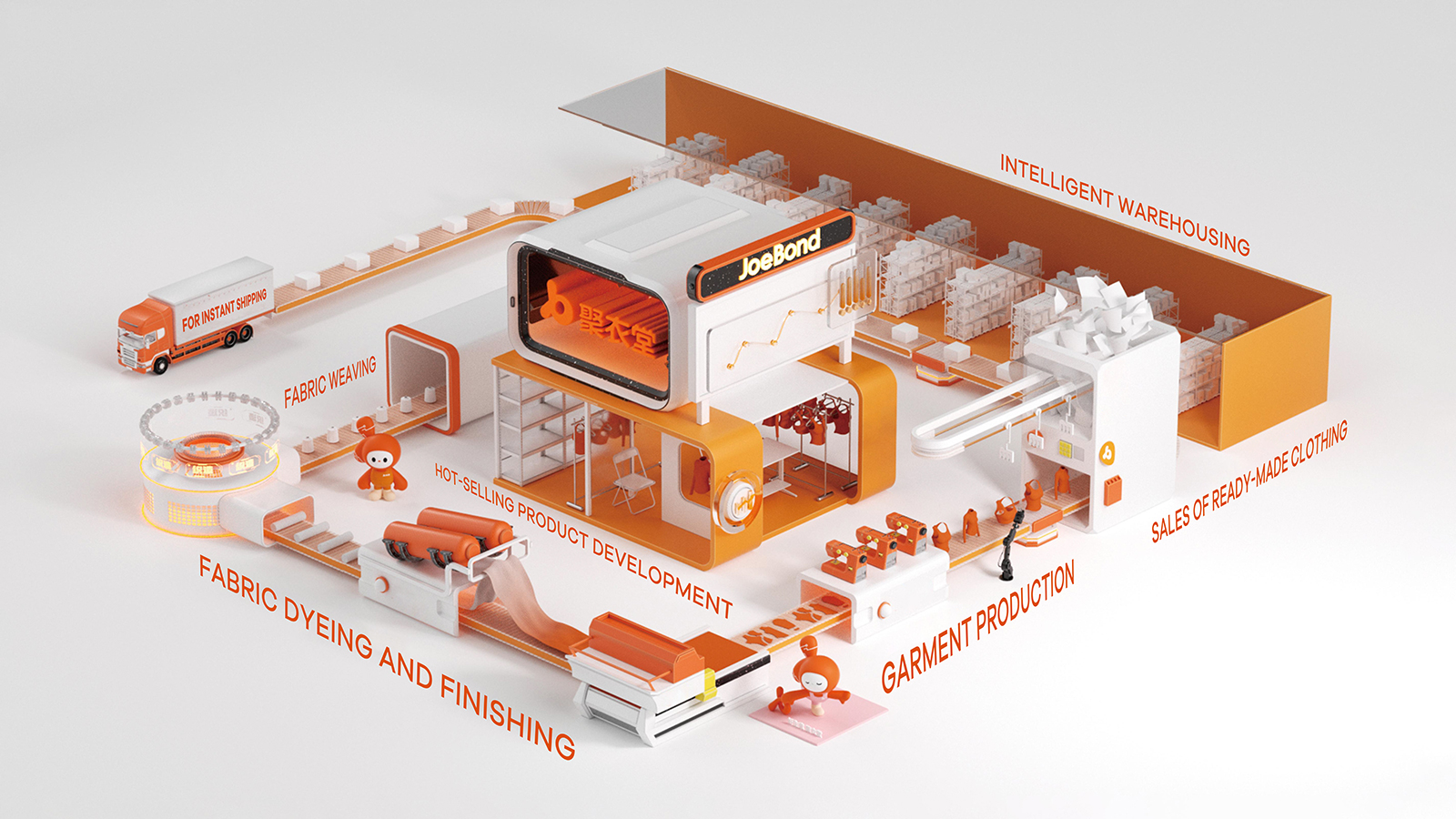
When you move from launch to repeat orders, build a supplier scorecard: on-time rate, defect ppm, and fabric variance percentages. Introduce larger runs only after defect rates drop below your target threshold. If sustainability matters, add traceable batches and request mill certifications for fiber content—document the supplier names and batch numbers so claims stand up in retail checks. Sourcing consistency matters more than a one-off low price.
Advisory: Three golden rules for evaluating partners
1) Quality transparency — insist on measurable tolerances (stitch density per cm, seam tensile comments, and acceptable defect ppm). 2) Communication cadence — set weekly production checkpoints and require photographic confirmations for critical steps. 3) Cost clarity — separate tooling, sample, and per-unit costs in writing so you can compare true landed costs across quotes.
Finish with realistic expectations: the right partner saves time and keeps margins healthy, and the framework above turns a vague idea into consistent runs. Joebond. —steady, practical, and ready for the next sample.