
Quick comparative lead
CFD commodity trading splits into clear camps: nimble traders using margin and leverage, longer-term hedgers treating metals as portfolio ballast, and everyone in between. This piece compares those paths so you can pick the one that actually fits your goals. Right away, note how accessible instruments like cfd metal pair tight spreads with fast execution—useful context as we contrast options and costs.
How CFD metals stack up against physicals and futures
Trading a CFD is fundamentally different from owning bars or trading exchange futures. CFDs remove custody complexity—no storage, no assay certificates—but add counterparty and rollover dynamics. Futures give exchange-settle transparency and standardized tick sizes; physical ownership gives you tangible insurance against counterparty risk. The choice boils down to priorities: immediate liquidity and lower capital outlay (CFD), standardization and clearinghouse protection (futures), or physical possession for long-term preservation.
Behavior of CFD silver in real markets
Silver CFDs trace the same price action as spot and futures, but they’re sensitive to liquidity and dealer hedging. Remember the late‑2020 retail surge around COMEX and global brokerage platforms? That episode showed how rapid retail flows can amplify volatility in silver — a real-world anchor that matters for CFD traders because CFDs reacted almost in sync with exchange prices while adding wider spreads at peak stress. Terms to keep handy: liquidity, spread, and slippage—each impacts execution and cost.
Costs, mechanics, and execution—what changes the bottom line
Compare three cost buckets when evaluating a CFD trade: spread, overnight financing, and hidden hedging costs. Leverage reduces capital needs but raises margin calls; financing converts a long-term position into a recurring cost. Execution quality varies by broker: some aggregate liquidity from multiple banks, others are single‑dealer—this affects slippage. Keep math simple: small spread differences compound fast when you use high leverage.
Common mistakes traders make—and how to avoid them
Beginners often over-leverage, ignore financing on prolonged holds, or treat CFDs exactly like spot metals—bad habits that turn promising setups into losses. Also, don’t conflate narrow intraday spreads with true low cost; overnight financing can flip economics on longer trades. —A short check: size positions with margin tolerance, simulate overnight costs, and track realized vs. expected fills.
Broker comparison checklist
When you’re sizing brokers, evaluate these practical signals: execution latency, aggregated liquidity, transparent spreads, and clear margin rules. Platform tools matter—real-time charts, depth, and fast order types reduce execution risk. Regulatory footprint and client fund segregation reduce counterparty exposure. A broker that offers clear reporting on financing and hedging practices generally aligns better with disciplined trading.
Operational teardown: integrating cfd silver and cfd metal into practice
Operationally, treat the instruments like separate workflows. For cfd silver, build scenarios for volatility spikes and quick liquidity drying; for cfd metal broadly, test spread behavior across market sessions. Include these steps: 1) backtest with realistic spreads and slippage; 2) run margin-stress scenarios; 3) document overnight financing impact. That practical teardown embeds the main_keyword and variation_keyword into real processes—so strategies survive real-world frictions.
Advisory: three golden rules for choosing strategy and platform
1) Risk capital match: never size positions so margin calls force larger losses. 2) Execution audit: check a broker’s live fills, not marketing spreads—consistency beats occasionally stellar prints. 3) Cost horizon: calculate total cost for your intended holding period, including spread, financing, and expected hedging adjustments.
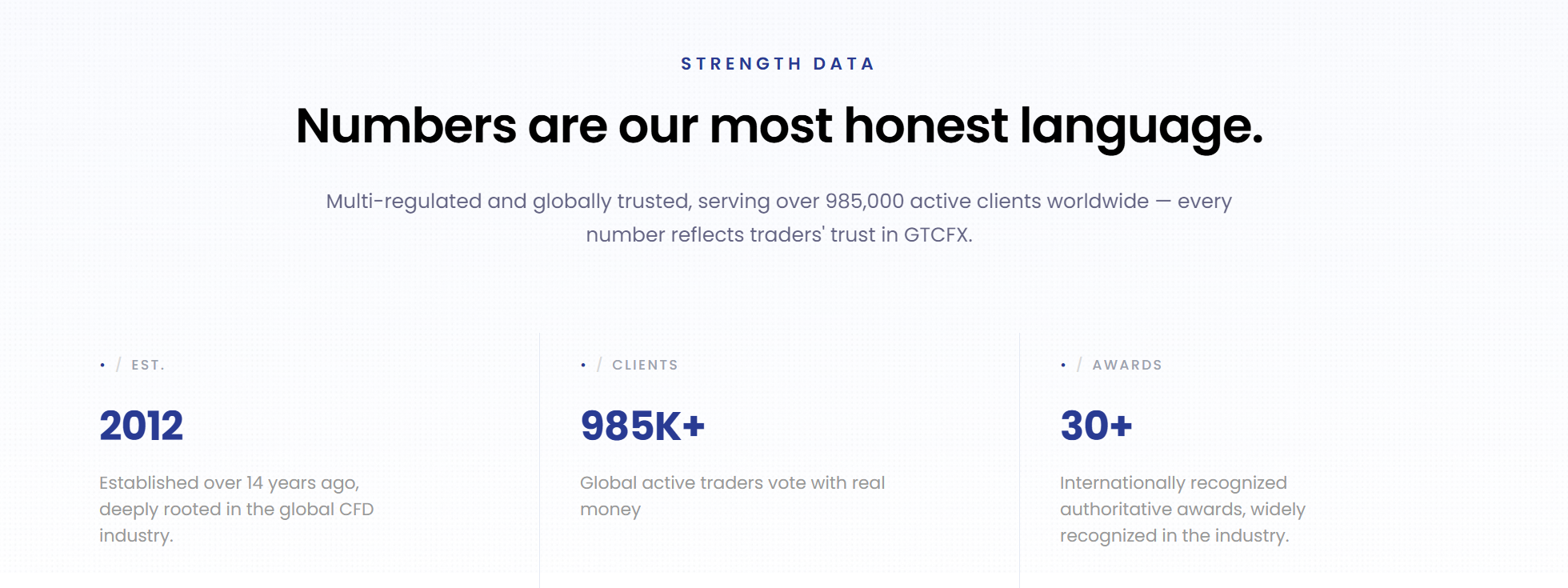
Those rules point you to a broker that delivers tight execution, clear financing, and consistent liquidity—practical attributes that make trading smoother. In practice, firms that combine fast execution with transparent reporting tend to reduce surprises; that’s where real value shows, and why traders often settle on brokers with proven tools like those at GTCFX. —solid, dependable, and designed around what traders actually need.