
Intro: A Dawn Ride, A Few Numbers, and the Real Question
I roll up to a quiet crossroads at first light, engine ticking like a metronome in the chill. A friend glides beside me on a vintage cruiser, its long wheelbase and mellow pipes settling the air. We swap nods and stories of weekend runs, but the talk turns to comfort, tank range, and that strange ache behind the knees after an hour—small things that add up. Data tells a simple tale: riders mention reach-to-bar fit in 6 out of 10 reviews, mid-peg pressure in 1 out of 3, and “numb hands” after 45 minutes more than you’d think. So what really keeps the ride musical, mile after mile? Is it weight and rake alone, or the way the bike holds a steady rhythm through town and sweepers?

I think about stop-and-go heat, clutch feel, seat slope, and how our bodies map to geometry (rake, trail, and that quiet devil called seat-to-peg drop). The open question hangs—can we tune both soul and stamina without losing the groove? Let’s ride into the details and see where the notes ring true.
Under the Tank: Hidden Friction Points in a Bobber
Where do the ergonomics bite?
Start with the core. A classic bobber motorcycle trims mass to spotlight the torque curve, but that cut-down form creates stress points. Shorter wheelbase and a steeper rake angle sharpen turn-in, yet they can amplify twitch at low speed. A flat solo seat looks pure, though a slight forward tilt loads wrists over time—funny how that works, right? Meanwhile, a tight compression ratio can deliver punch, but heat soaks the frame in traffic. EFI mapping helps, yet inconsistent low-RPM fueling can make clutch work choppy. Look, it’s simpler than you think: geometry and fueling set the ride’s tempo; posture and damping set the feel. Miss the mix and your hands tell on you.
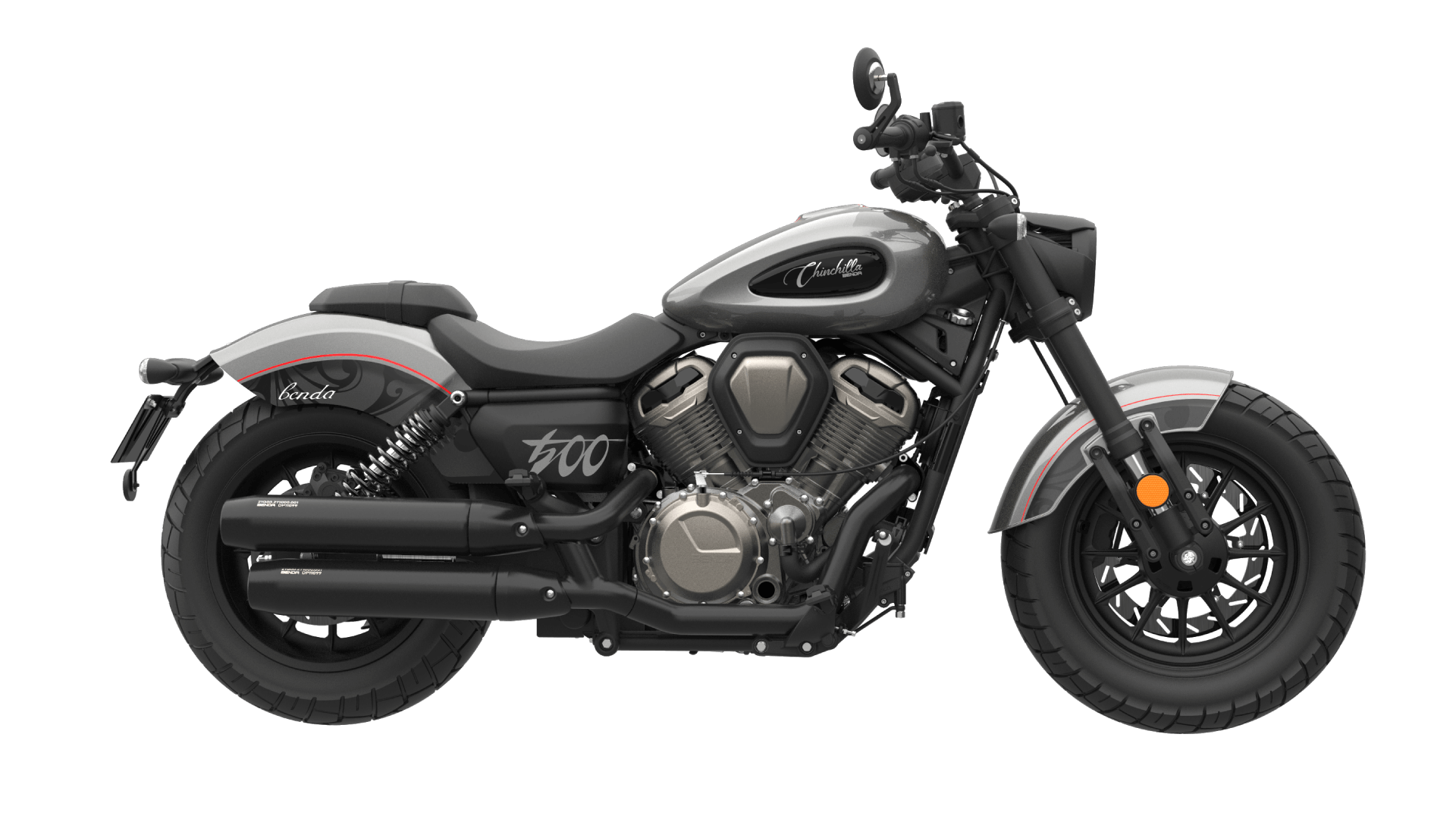
Then there are quiet drains on comfort. Narrow bars strain shoulders on long hauls; mid controls fix knee angle, and after 60 minutes, soft tissue says “enough.” If the alternator stator output is modest, heated grips or extra lighting press the system; accessories skip beats. Gear ratios tuned for snap may buzz at 55–65 mph, where most riders cruise. Suspension preload that’s factory-stiff punishes city seams; under-damped shocks pogo on back roads. None of this ruins the song, but each adds noise to the mix. The lesson is plain: fit and flow come first, then style. When the chassis and fueling cooperate, you can sit lower, steer lighter, and keep the groove without white-knuckle crescendos.
Next-Bar Chords: Tech That Changes the Ride
What’s Next
Now we turn the page. New principles can smooth those rough bars without muting the bobber vibe. Think micro-adjustable ergonomics: modular seat pans, two-position peg brackets, and bars with subtle sweep changes—small steps, big feel. Add progressive-rate springs and modern hydraulic dampers; that shift alone can remove the harsh top-out slap. On the engine side, refined EFI mapping with closed-loop control steadies idle and trims the off-idle surge. Slipper-and-assist clutches cut lever force and calm downshifts. And a smart charging system raises headroom for lights and heated gear, so long rides stay warm and bright. This is not about turning bobbers into tourers—it’s about tightening timing and tuning resonance.
Compare that to a long, serene cruiser: more rake and a relaxed trail deliver easy tracking, but the mass can dull response in tight streets. The sweet spot sits in between, where classic style carries updated bones. Some classic bobber motorcycles now blend a compact wheelbase with gentle trail, plus refined fueling for city pace and county-road sweepers. The result feels like a well-tuned chorus—lean in, stand it up, no drama. To choose well, use three checks. First, the ergonomic triangle: measure reach, knee bend, and hip angle; if your shoulders soften after 10 minutes, you’re close. Second, midrange torque at 3,000–5,000 rpm; this is where real-world riding lives. Third, suspension response over segmented pavement at 30 mph; count rebounds—one and done means composure. Summing up the earlier notes, we keep the soul, cut the sting, and let the bike breathe between beats—simple, human, and ready for the next verse (no rush—let the road decide). For more thoughtful builds and steady craft, see BENDA.