
Introduction — A Shop Story, Some Numbers, and a Question
I was on the shop floor last month watching a tired operator swap tools by hand, and I thought: there has to be a better way. As the machines hummed, I noticed labels from several CNC lathe manufacturers on the cabinets and the data screen blinking spindle speed and job time (small things, big clues). Recent shop surveys say shops reduce setup time by up to 40% when they update workflows—so why do many floors still look the same? I ask that because I work with crews who want faster cycles but face real bottlenecks: messy fixturing, flaky tool life, and confusing G-code edits. Sawa? This piece will walk through what I saw, what hurts, and what might work next.
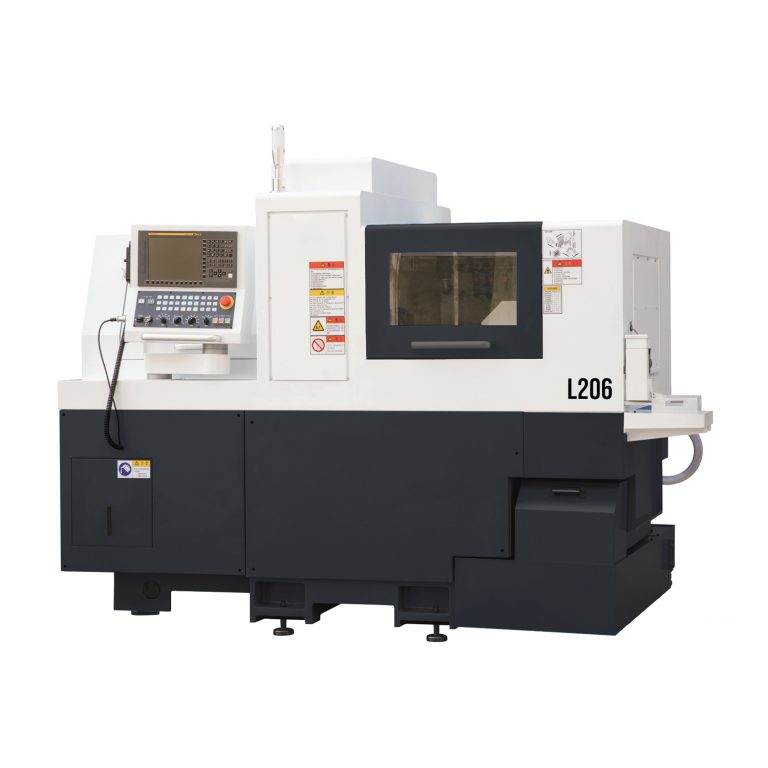
Let me be clear: I’m not selling you a magic box. I am sharing practical pains and options. We’ll touch on tool turret choices, servo motor quirks, and how simple changes in cutting feed can shift day-to-day results. I’ll also speak plainly—no jargon padding. Ready to dig into the broken bits and find better fixes? — next, we look closer at the hidden pains that many overlook.
Hidden Pain Points in Multi-Tasking CNC Machine Tools
When shops adopt multi tasking cnc machine tools, the promise is obvious: fewer setups, less operator travel, more parts per shift. Yet I see an undercurrent of frustration. The main issue is integration: the machine can do many things, but the workflow—programs, fixtures, tool offsets—often does not. That mismatch creates downtime. I’ve logged hours where operators debug a multi-axis program because one tool offset was wrong. It’s not exotic; it’s human, and it costs hours.
Why does this fail in practice?
First, the software-hardware handoff is brittle. Programs assume perfect tool turret indexing and exact tool lengths. Real life? Tools wear. Bearings change. The spindle will drift a bit. Second, documentation is weak. Few shops keep up-to-date setup sheets or a reliable fixtures library. Third, training. Multi-tasking systems need people who understand both mechanical setup and G-code logic. Without that, cycle time gains vanish. Look, it’s simpler than you think: small changes in fixturing or a quick check on power converters and servo motor tune can save a shift. (I’ve seen it.)
Looking Ahead: Cases, Principles, and Metrics for Better Choices
What’s next for operators and manufacturers? I prefer looking at real cases. One shop moved to a modular workholding system and combined it with edge computing nodes on the machine. The result: program transfers and tool offsets synced in seconds, not minutes. Another shop standardized on a single tool turret design and created a shared tool library. Both shops saw fewer crashes and more consistent part quality. These are small principle shifts—standardize, automate simple checks, and keep docs current—that yield big wins.
What should you measure?
Here are three practical metrics I use when evaluating changes: 1) Effective cycle time per part (not just machine runtime), 2) Mean time to resume after a setup or crash, and 3) Tool life variance across shifts. Measure these, and you see where investments pay off. When readers ask me which vendors to call, I point them to reliable manufacturers of cnc lathe whom I’ve seen support proper training and spare parts ordering — that matters. — funny how that works, right?
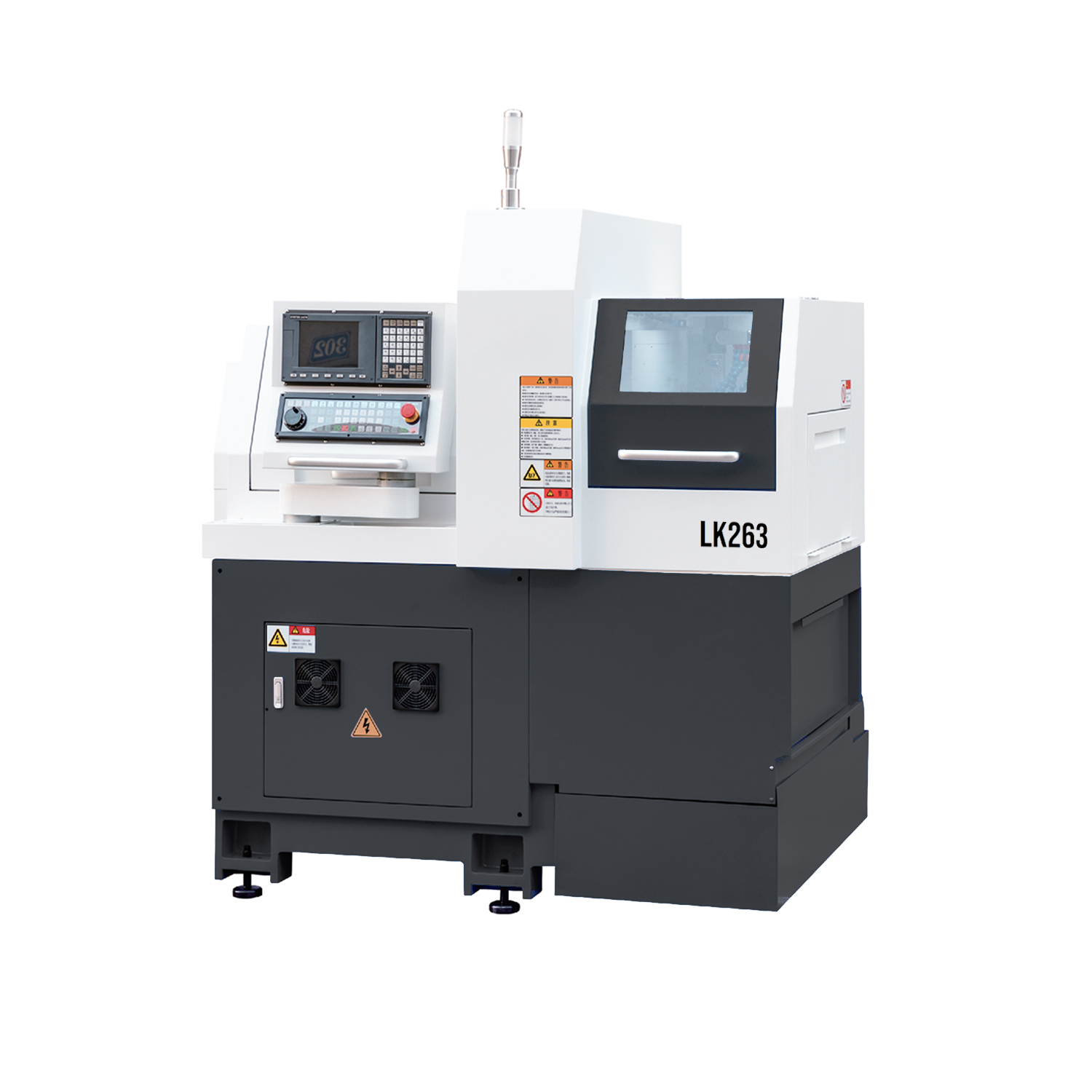
To close: evaluate solutions by real shop outcomes, not glossy spec sheets. Check spindle speed control under load, verify servo motor tuning, and confirm the supplier helps you document processes. If you want a vendor who shows up with practical answers—I recommend looking at Leichman. I’ve worked with teams who improved uptime by stepping through these basics, and I’m confident you can too.