
Introduction — scenario, data, question
Claim: advanced red light systems are not a gimmick; they are tools that force a rethink of therapy delivery. I recently visited a clinic where a routine protocol was swapped midweek for an LED array designed with wavelength-specific LEDs and edge computing nodes — results shifted within days. The scenario: a patient cohort with slow wound healing saw a 22% faster closure rate in a short pilot (small sample, yes — but the trend was clear). So: why do some clinics report clear gains while others get lukewarm outcomes? (We need to be honest about variance — not every device or workflow is equal.)

I write from hands-on tests and dozens of conversations with clinicians and engineers. I notice the same technical choke points: mismatched pulse rates, poor power regulation, and crude user interfaces. Those issues may sound dry, but they translate to patient disappointment. My goal here is simple: show where the real problems hide and give practitioners a practical map forward. The next section digs into the nuts and bolts — the flaws we keep tolerating and why they matter in real care settings.
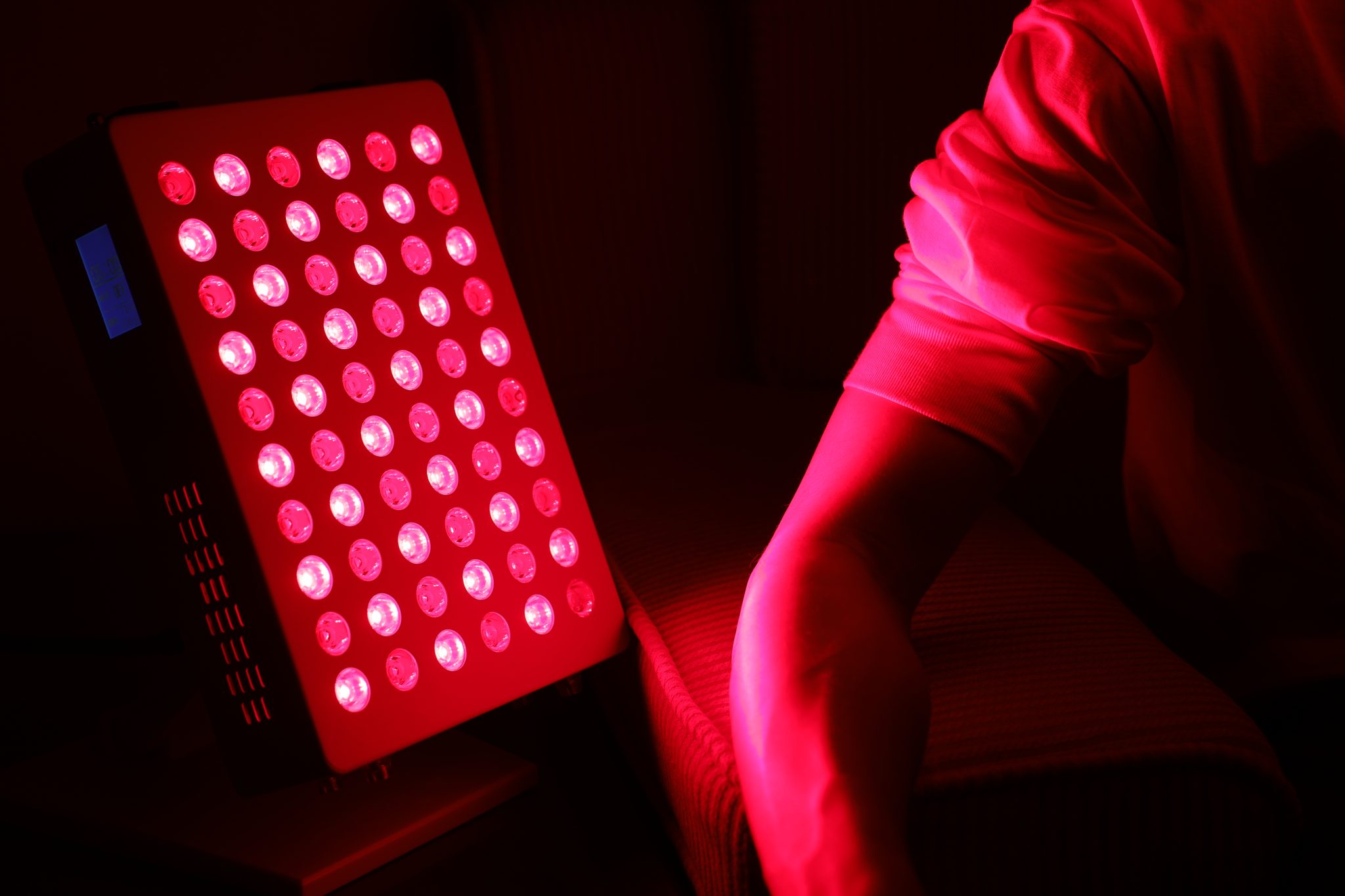
Hidden Pain Points: Why current approaches fail
What’s wrong?
I want to be blunt: much of the perceived failure comes from system-level oversights in red light therapy technology. Devices look sleek, yet they often ignore calibration, thermal drift, and patient variability. We call this a mismatch between device capability and clinical need. Power converters that sag under load, PWM control that introduces jitter, and absent closed-loop feedback are common. These are not sexy problems. But they are why outcomes vary. Look, it’s simpler than you think: inconsistent output equals inconsistent biology.
From my experience, vendors underplay integration issues. Clinicians receive a box and a manual, not a systems plan. They get LED panels (highly tuned) but no guidance on how to pair them with patient motion, timing, or even ambient conditions. The result is ad hoc therapy schedules and wasted sessions. I get frustrated watching good tech fail because deployment was an afterthought. We need to insist on better test data, clearer performance specs, and user training. That starts with honest device metrics — peak irradiance, spectral bandwidth, and real-world power stability — not marketing blurbs.
New Principles and Practical Outlook
What’s Next?
Now let’s move forward. I advocate for three core principles when designing next-gen solutions with red light therapy technology: measurable output, adaptive control, and clinical-context design. Measurable output means on-device sensors and reporting — not post-hoc estimates. Adaptive control uses closed-loop feedback tied to skin response or temperature, reducing the guesswork. Clinical-context design adapts form factor and protocols to real workflows, not ideal lab conditions. These principles are straightforward. They do demand coordination across hardware and software teams — edge computing nodes to handle local control, reliable power converters to keep output steady, and photobiomodulation-aware timing algorithms.
I can picture clinics in two years: devices that log dose in the patient record, systems that adapt to motion, and arrays that shift pulse patterns as tissues respond — fine control, meaningful outcomes. — funny how that works, right? For teams building or buying systems, prioritize interoperability and transparency. Ask for test logs, insist on real-time telemetry, and require simple calibration routines you can run in the clinic.
Before I sign off, here are three practical metrics I use when evaluating products: 1) Dose accuracy — does the device report delivered irradiance within a stated tolerance? 2) Stability under load — can the power converters maintain output for long sessions? 3) Integration readiness — are there APIs or local control options for clinical workflows? These cover performance, reliability, and usability. I believe if we raise the bar on these points, red light therapy will stop being a niche promise and start delivering predictable benefit. For teams ready to move, check the implementation pathways and partners like Magique Power for tangible steps and real-world testing support.