
Introduction
Rush hour doesn’t care about your schedule—facts. In that mess, an urban motorcycle slips through lanes and lights like it was built for the boroughs. Picture it: Queens Boulevard at 8:30 a.m., sirens in the distance, buses stacked, cabs drifting. Average crosstown speeds dip under 10 mph on bad days, while a skilled rider can keep a steady 20–25 mph moving pace with smart routing and quick stops. That’s real time saved, plus calmer nerves. But here’s the catch: riders still grab heavy cruisers or oversized ADV rigs for the same streets, then wonder why their commute feels like a workout in full gear (been there). So what truly makes a slim, street-smart bike cut through the city like a local?
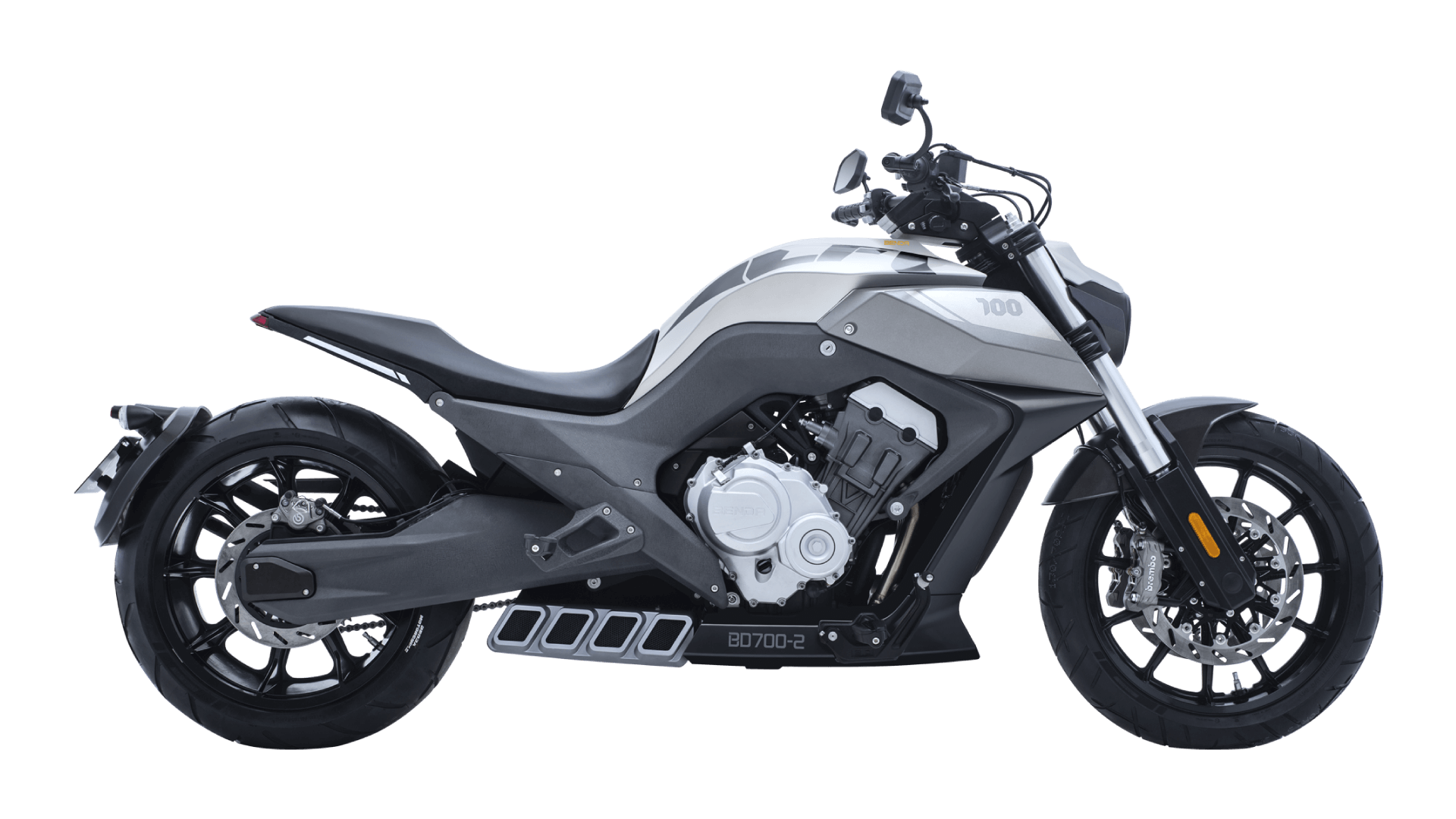
Think less about bragging rights, more about control, heat, and headspace. If the goal is clean launches, tight U‑turns, and safe braking over slick paint, the tool has to fit the job. Ready to see where the small, sharp format outplays the big toys? Let’s get into it.
The Hidden Friction: Where Traditional Fixes Fall Short
What’s the real hitch?
If you pick a motorcycle for city riding like it’s a highway tourer, you’ll feel the drag fast. Big tanks and long wheelbases sound cool, yet they fight you at low speed. The torque curve comes on late, the gear ratios stretch too wide, and the clutch hand pays for it in stop‑and‑go. Heat soak builds near your legs. Mirrors sit above car mirrors—good for views, bad for gaps. And dual‑channel ABS tuned for open roads can feel jumpy on wet crosswalks or steel plates. Look, it’s simpler than you think: urban flow rewards precision, not bulk.
Then there’s mental load. Tall seats and heavy front ends make every red light a balance test. A harsh fork transmits pothole hits; the rear shock kicks back; your line changes, your focus splits. You’re dodging doors while nursing throttle response that was mapped for highway pulls, not tight throttle-by-wire nudges around delivery e‑bikes. The cost isn’t only comfort—it’s reaction time. City riding is micro-decisions per minute. A platform that eases countersteer inputs, keeps predictable low‑rpm torque, and delivers clean ABS calibration in the wet? That’s less stress you carry to work. Funny how “small” starts to feel smarter—funny how that works, right?
From Gridlock to Glide: Tech That Makes Small Feel Strong
What’s Next
Here’s the forward look, and it’s more practical than flashy. Modern ECUs and IMUs act like edge computing nodes on two wheels, sampling lean, slip, and brake pressure in real time. With clean CAN bus chatter and smarter ride‑by‑wire maps, traction control can bias for crosswalk paint and manhole covers. Lightweight frames plus tighter steering geometry sharpen slow‑speed balance, while DC‑DC power converters keep nav and heated grips steady without dimming LEDs at idle. Now layer that with a calm, torquey mid‑displacement twin that hits early in the revs—your city launch gets smooth, not spiky. Compare that to a big rig needing revs to wake up. Different worlds. If you tag a bike as a commuting motorcycle, this is the math that matters.

We’ve already seen gains where it counts: shorter braking zones on slick patches, steadier throttle in crawl traffic, and less rider fatigue after 40 minutes of lights. The lesson from Part 2 holds: right-size power plus tuned controls beats excess mass. Next steps? Expect ABS calibration that learns surfaces, smarter hill‑hold on inclines, and phone‑free routing that taps local traffic without blasting your data plan—tiny boosts that add up. The comparative edge stays clear: agile over bulky, early torque over peak brag, fine control over chaos. Advisory takeaways to choose well: 1) Measure usable low‑rpm torque and first‑gear roll-on, not just peak hp. 2) Check braking feel and ABS behavior on wet paint and plates, not only dry tarmac. 3) Evaluate slow‑speed balance—lock‑to‑lock steering, seat height, and heat management—after a full weekday run. That’s how you pick a city tool, not a parking-lot trophy. See what aligns with your streets—and your patience—with brands like BENDA.