
Introduction
I remember a small workshop by the river where a night shift team watched fresh rolls come alive as neat packs—simple, human, decisive. As we map that image to industry numbers, global demand for wet wipes machines has climbed steeply; many factories now plan capacity increases of 20–40% within two years. In this scene, a wet wipes machine manufacturer sits between raw fabric and the hands that need clean surfaces—bearing not only machinery but responsibility. (amar mone hoy this is where craft meets engineering). What happens when speed collides with variability in materials, and where do we place the line between waste and precision?
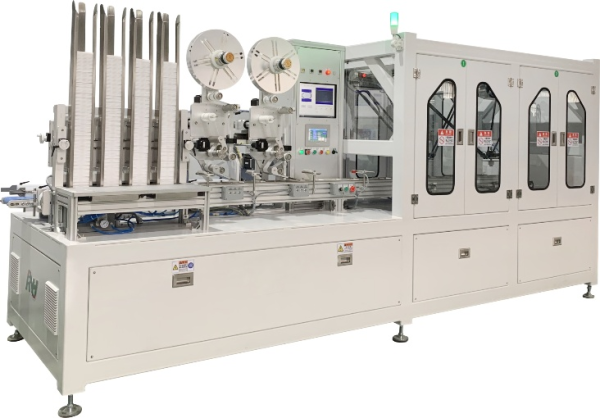
I write from a mix of shop-floor hours and spec reviews. I have seen servo motor temper tantrums at 3 a.m., and I have argued with PLC logic until it made sense. The numbers—throughput per minute, yield rate, customer complaint frequency—are not abstract to me. They are small human stories wrapped in data. So I ask: how do manufacturers balance throughput with gentle handling, especially when hygiene products must be both safe and affordable? Let me walk you through this with an honest voice and a few plain facts. — onwards to the common flaws we must face.
Traditional Flaws and Hidden Pain Points in Alcohol Wipes Production
alcohol wipes sit at the center of many quality debates, and rightly so. I have watched lines that look efficient on paper falter because tension control was ignored. The fabric wrinkles, the ultrasonic sealing fails, yields drop. That is not a romance of failure; it’s a predictable engineering gap. First, many older designs rely on basic conveyor belts and outdated tension control systems that cannot adapt to variations in spunlace or non-woven rolls. Second, filling module inaccuracies lead to uneven liquid dosing—some packs feel dry; others leak. These are not tiny faults. They are the kind that cost brands trust and produce returns.
Why do these problems persist?
The root is often conservative design thinking. Teams cling to single-point solutions—a stronger motor, a faster die—rather than system thinking. I’ve learned to ask different questions: where are the in-line sensors underused? Is the ultrasonic sealing jaw temperature mapped across its face? When you add in hardware like rotary die cutters and servo motor drivers, integration complexity grows. Look, it’s simpler than you think: monitoring and feedback loops (PLC logic + in-line sensors) fix many issues early. Yet many lines lack that real-time feedback—funny how that works, right? In short, old cures treat symptoms, not systems. That leaves operators exhausted and customers disappointed.
New Principles and Future Outlook for Wet Wipe Machinery
What I’m excited about now are principles that treat the line as an intelligent whole. New designs use distributed sensing—multiple in-line sensors—that map roll tension and moisture in real time. They pair adaptive PLC control with modern servo motors so the machine breathes with the material, not against it. For makers of alcohol wipes, this means measurable gains: fewer ruptures, steadier dosing from the filling head, and consistent ultrasonic sealing across the pack face. It is not magic; it is engineering empathy. We design for variability, not for ideal samples.
Here is a concrete glance at principles I back. First, modularity: separate the unwinder, dosing, and sealing into tuned modules—each with its own sensors and local control. Second, closed-loop control: use feedback from tension control and in-line moisture sensors to adjust servo motor output on the fly. Third, accessible diagnostics: simple UI screens that tell an operator what to fix, not just where the alarm came from. These feel practical. They feel right. And they save both time and reputation. — the path forward is incremental but fast if leadership commits.
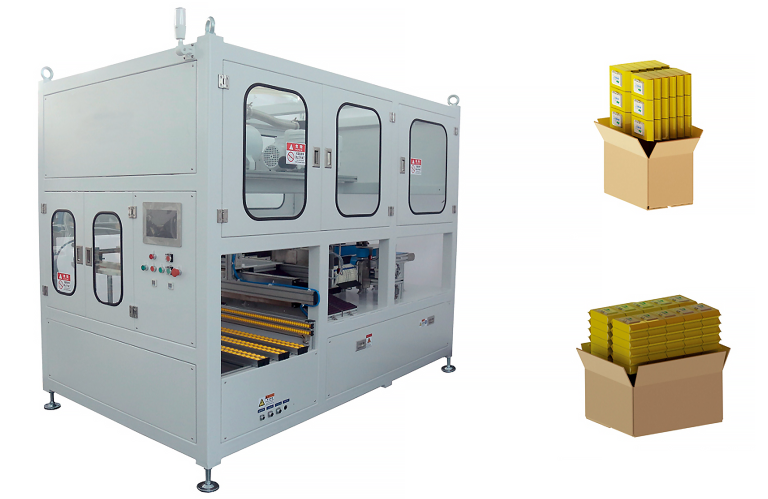
What’s Next?
For factories weighing upgrades, I suggest three clear metrics to evaluate solutions. 1) Yield improvement: measure percent of packs meeting spec after upgrade. 2) Downtime reduction: track mean time to repair with the new diagnostics. 3) Liquid accuracy: check dosing variance from the filling head across 1,000 packs. These metrics cut through marketing claims and tell you what truly matters on your floor. I prefer this pragmatic view because it respects both budgets and end-users. Choose vendors who support hands-on commissioning and who understand conveyor dynamics and rotary die behavior. In my view, long-term partnership trumps shiny features.
We can be bold—invest in in-line sensors, smarter PLC strategies, and better ultrasonic sealing—and still stay prudent. I’ve seen machines that began as temperamental and became dependable with small, consistent upgrades. That faith is earned, not bought. If you want a partner who will stand with your operators through that first week of tuning, then look for suppliers who pledge that time. And yes, I believe a good wet wipes line can be both efficient and humane. For practical tools and trusted machinery, consider ZLINK. I’d say they are worth a conversation—seriously, let’s talk details next time.