
Introduction: A Quiet Problem on the Water
Have you ever watched a calm lake suddenly dotted with boats idling while their owners fiddle with throttles and gauges? Recent field surveys suggest that local operators report efficiency drops of 10–25% during normal cruising—so the scenario is not rare. In those moments, the electric motor is centre stage: its losses, controls, and thermal limits decide whether a trip is smooth or a struggle. (Cold mornings make it worse.) Given that many small fleets and private owners now depend on battery-electric systems, how do we move from frustration to predictable performance?
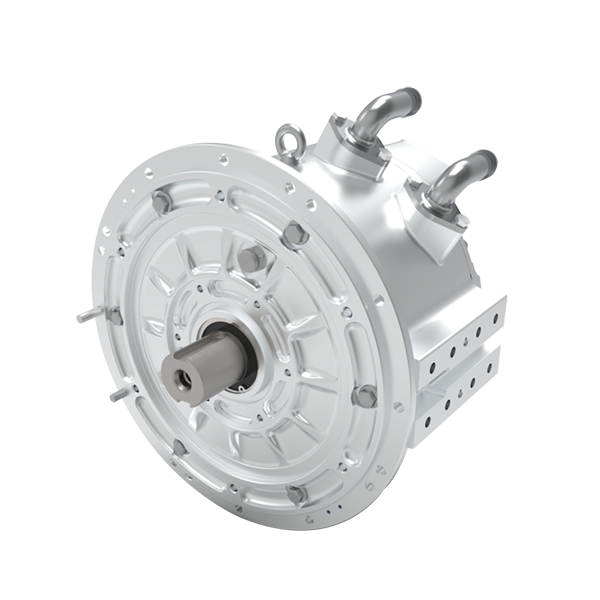
I’ve worked alongside technicians and skippers who want clear answers rather than buzzwords. We see familiar metrics—efficiency curves, torque, and battery state-of-charge—yet the practical question remains: how should one evaluate trade-offs when replacing or upgrading a drive system? This article maps comparative approaches rooted in real use, not marketing—so you get pragmatic choices and a framework to test them on the water.
Deeper Layer: Hidden User Pain Points with Boat Motors
boat motors hide a few steady annoyances that owners rarely list in spec sheets. To be precise: users face intermittent torque drop, unexpected thermal derating, and tricky integration with legacy power converters. Start by thinking of the system as more than a rotor and stator—drive electronics, adhesives on sensors, and cooling channels matter. When I talk to owners, they often describe symptoms, not causes: slower acceleration, strange vibration at low rpm, odd battery drain. Those are signals. If you want a fix, you must connect symptom to subsystem.
Technically, many of these problems stem from control and mechanical interactions—torque ripple, cogging torque, and inadequate field-oriented control tuning. Look, it’s simpler than you think: uneven torque is often a tuning problem, not just a motor defect. Owners also struggle with onboard diagnostics; logs are sparse and error codes cryptic. We need better telemetry (edge computing nodes or simple CAN logs) so patterns are visible before failure. In short—without clear data, decisions become guesses, and guesses cost time and money.
Why do operators keep seeing repeats?
Because root causes are layered: mechanical wear amplifies control mismatches; firmware updates change tuning; and batteries age unpredictably. I’ve seen the same boat return twice for “lack of power” only to find a loose sensor plug the second time. Real-world use is messy, and solutions must be pragmatic.
What Comes Next: Principles for New Technology in Marine Drives
Moving forward, I favour a principles-first approach: design for observability, modularity, and predictable degradation. A modern system should include a well-tuned pmsm motor controller, accessible telemetry, and a thermal management plan. We must stop accepting opaque black boxes; instead, specify diagnostics, update paths, and mechanical tolerances up front. Semi-formal testing routines—sea trials at controlled loads, timed charge/discharge cycles—reveal much more than bench specs.
Practically speaking, adopting these principles means choosing components that support field-oriented control, clearly documented ESC parameters, and cooling that matches intended operating profiles. You’ll want motors with low cogging and minimal torque ripple, but also drives that allow conservative fallback modes. I recommend incremental upgrades: validate sensors, tune control loops, then swap hardware. — funny how that works, right? This phased path reduces surprises and keeps downtime low.
What to measure next
When comparing options, focus on three evaluation metrics: efficiency across the typical load band, the quality and granularity of telemetry, and the ease of control tuning (access to control parameters and vendor support). Weigh these against cost and expected maintenance intervals. I personally place a premium on actionable logs: they tell the story faster than any brochure.
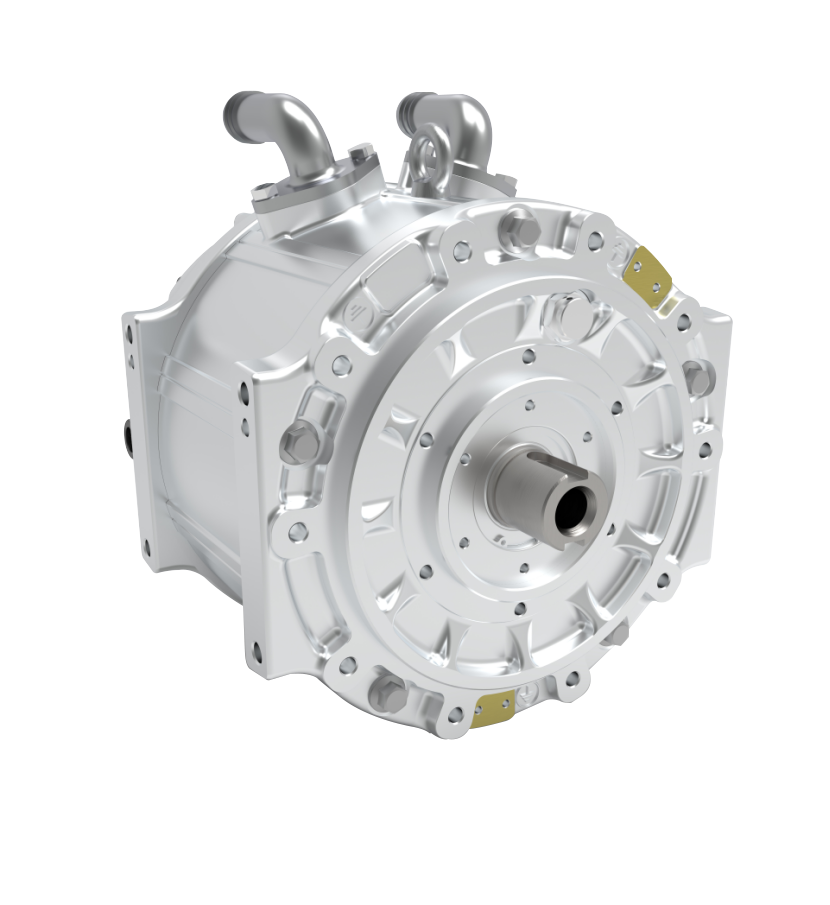
Choosing wisely means testing in context and measuring what matters. If you want a practical partner for upgrades and reliable components, consider the offerings and support at Santroll. I’ve seen firms that share diagnostic tools and documentation save time and money in the long run—and that, ultimately, keeps boats moving when it counts.