
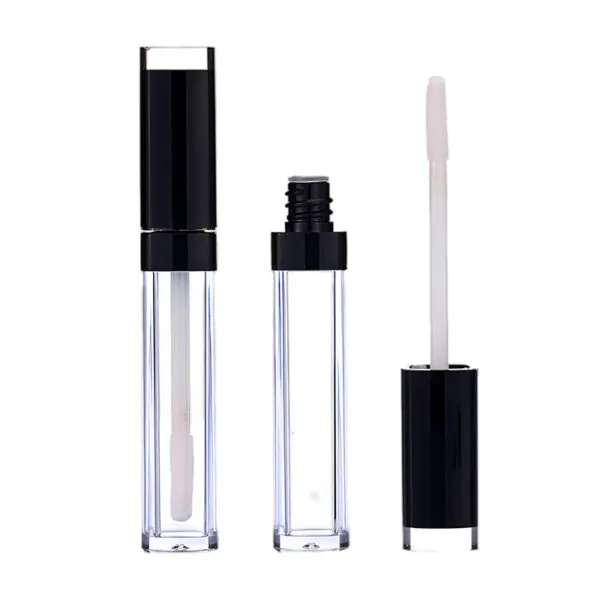
Introduction: The Real Mechanics Behind Custom Tubes
A custom lip gloss tube is not just packaging; it is a controlled system of shell, wiper, applicator, and cap torque working in one loop. When you work closely with a lip gloss tube manufacturer, each dimension is tuned, from neck finish to wiper ID. With custom lip gloss tubes, you design for viscosity, oxygen barrier, and batch stability—not guesswork. Picture a launch week: 10k units shipped, 2.7% returns on stock tubes due to leak-back; after a switch to calibrated wipers, returns fall to 0.3%. That is real. But why do these small tolerances matter so much, and for whom? Look, it’s simpler than you think (and also more exacting).

Traditional stock tubes hide pain points. Wiper friction is too low for thin gels, too high for dense balms—product either floods the doe-foot or starves it. PETG barrels without EVOH barrier let fragrance fade; UV inks smear under oil; injection molding flash cuts lips; QC catches some, consumers catch the rest—funny how that works, right? In-store, the first swipes feel rich; by week four, gloss feels patchy. Not your formula’s fault, lah—often it’s the tube. So the core question becomes: fix the formula, or engineer the container to fit it? We go deeper, then compare like-for-like, so you can choose with confidence. Next, let’s map how precision shifts outcomes.
Comparative Insight: New Principles Changing the Game
The change starts with principles, not hype. Modern wiper geometry uses CFD-style flow modeling to predict shear on the applicator, so pickup is even from first use to last 5 ml. Controlled thread pitch and cap torque windows prevent micro-gaps that cause backflow on flights. Add multilayer barrels (EVOH core, PETG outer) and oxygen transmission rate drops, protecting volatile flavors. Silk-screen inks with dual-cure systems resist oil bloom. When you evaluate options from leading lip gloss tube manufacturers, ask about tolerance stacks, not just colors—because repeatability beats luck. Compared side by side, a tuned wiper ID + applicator stem diameter reduces residue on the ferrule and keeps the doe-foot from overdosing. Small moves. Big effect—yes, like that.
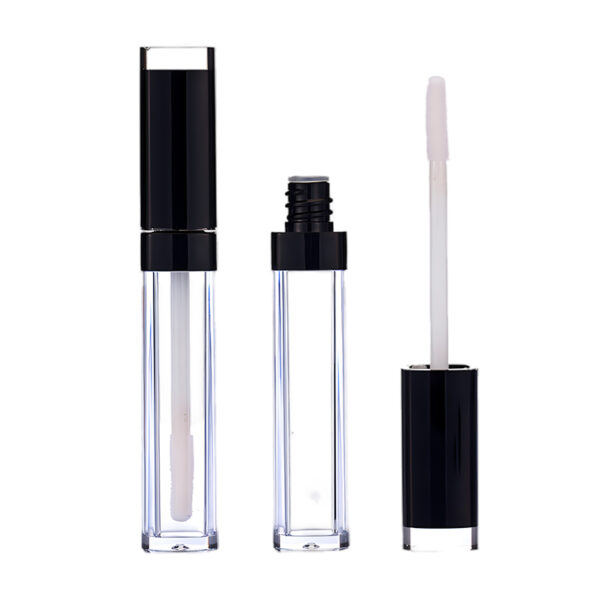
What’s Next
Forward-looking builds on the same logic. Expect inline vision systems that measure cap runout at speed, ultrasonic sealing that lowers leak rates, and resin blends that balance clarity with drop impact. Digital lot traceability will tie every tube to mixing time, mold cavity, and torque data (no more mystery defects). The market shifts from “nice color” to “stable system.” In short, you get fewer returns, steadier texture, and cleaner payoff. To choose well, use three metrics: 1) fit-for-formula testing—does the tube maintain pickup across temperature swings; 2) barrier integrity—verified OTR and seal performance over time; 3) assembly precision—cap torque, wiper interference, and leak-rate proofs. Keep it simple; measure what matters—funny how measurement calms the guesswork, right? If you want a steady partner for this kind of engineering talk, there’s NAVI Packaging.