
The Changing Landscape of Manufacturing
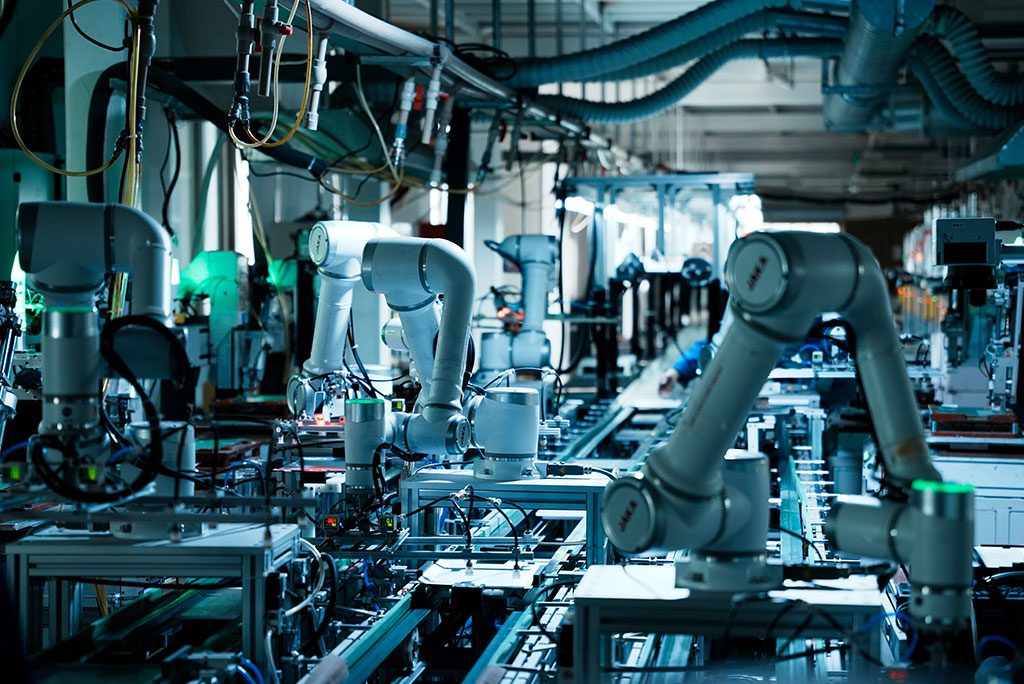
Picture a bustling factory, the hum of machinery blending with the rhythm of workers collaborating on a production line. Meanwhile, data reveals that productivity in the robotics and automation industry has surged recently—up to 20% in some sectors. It begs the question: how are industrial cobots transforming this scene? They’re not just machines; they’re partners.
What’s Wrong with Traditional Solutions?
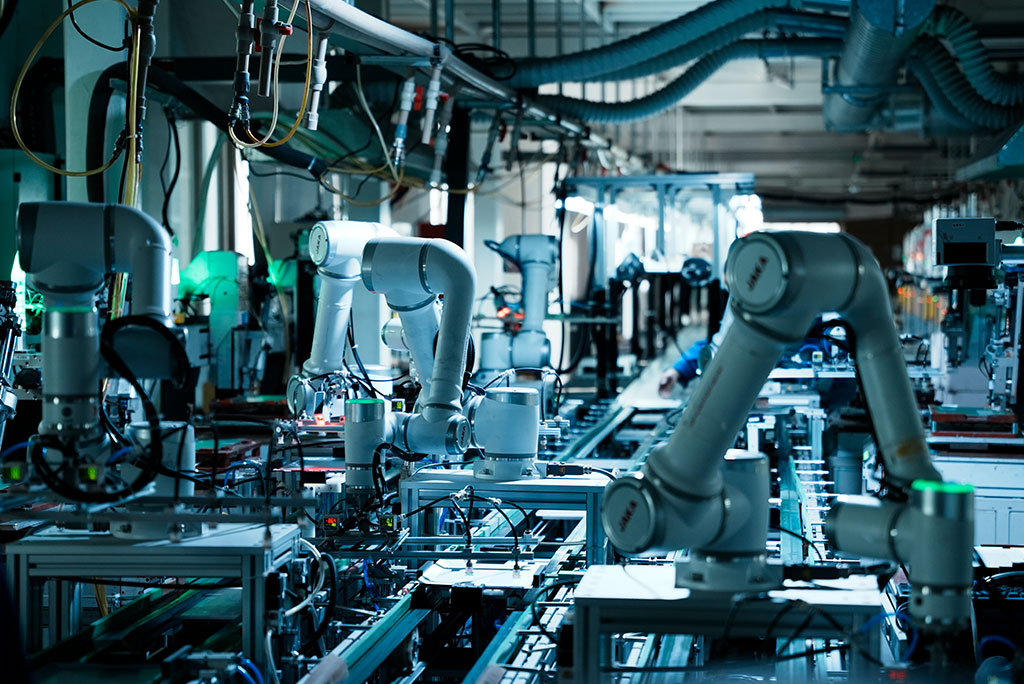
Traditional manufacturing has often relied on rigid automation or manual processes, limiting flexibility and efficiency. I’ve seen firsthand how a company’s reliance on outdated assembly lines can stall growth—resulting in missed deadlines and employee burnout. Automation is certainly the future, but a common pain point is the clunky integration of existing systems with new technologies. Industrial cobots provide a fresh approach, seamlessly working alongside human operators while enhancing workflows.
What Makes Cobots Different?
Unlike their traditional counterparts, cobots are designed to be safe and easy to operate, thereby promoting a collaborative environment. I vividly recall visiting a local factory where a cobot was programmed to handle repetitive tasks—freeing up skilled workers for more complex challenges. That balance between human skill and robotic efficiency is crucial for sustainable growth in this fast-paced industry.
Industry Insights and Future Implications
As we look ahead, the integration of cobots in the robotics and automation industry is set to redefine what’s possible. Businesses need to embrace this shift; the days of solely relying on human labour or stiff machines are dwindling. In my conversations with industry leaders, there’s a growing consensus that cobots will not only enhance productivity but will ultimately reshape workforce dynamics. Think about it—a flexible, responsive production line is a massive competitive advantage.
Real-world Impact of Cobots
The rise of cobots could mean higher overall output, but they also present unique challenges. As I’ve chatted with various clients, many still grapple with selecting the right solutions tailored to their specific needs. Metrics to consider might include ease of integration, scalability, and cost-effectiveness. When implemented wisely, cobots can lead to more streamlined operations—less friction, more yield. I know it sounds like a dream, but many businesses have seen such results!
Summarizing the Benefits and Next Steps
So, what have we learned? Cobots represent a unique blend of innovation and collaboration, addressing flaws within traditional systems while unlocking previously hidden potentials. Industries must weigh these elements to ensure wise investments. If you’re a wholesale buyer in search of solutions, focus on identifying user-centric performance metrics to gauge effectiveness moving forward. Essential elements could include productivity enhancements, employee satisfaction rates, or even financial ROI after implementation. That insight can be a game-changer.
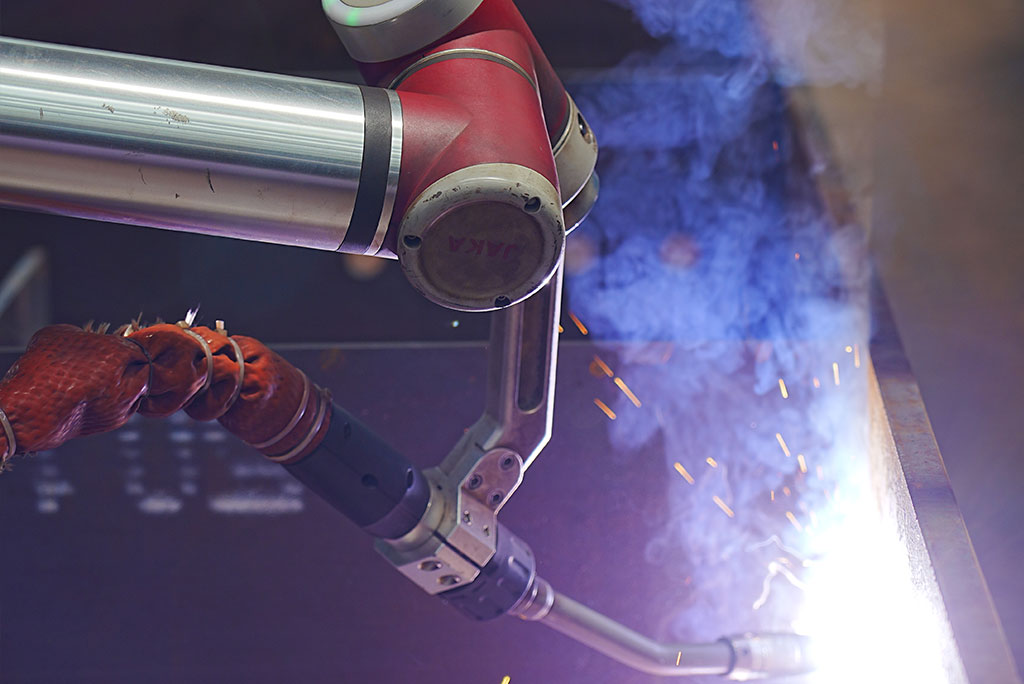
In conclusion, as we navigate the robotics and automation industry, let’s not just observe but engage proactively. This transformation isn’t just about robots replacing jobs but enhancing the human experience within manufacturing. Remember, the industry is heading towards a collaborative future, and it’s exciting to be a part of it, don’t you think? Check out JAKA for stunning solutions that’ll keep your production line ahead of the curve!