

Why Are We Still Struggling with Traditional Solutions?
Frustratingly, many businesses are bogged down by outdated processes that just don’t cut it anymore. With automation technology on the rise, it’s surprising to see companies still relying on methods from decades ago. Take a look at the manufacturing sector—did you know that about 75% of assembly lines still use manual labor for repetitive tasks? This is where a cobot could fit in perfectly, acting as a seamless extension of your workforce. But, why isn’t everybody using them yet?

It can be a bit nerve-wracking to embrace new technology. The fear of integrating cobots—essentially robots designed to work alongside humans—has held some companies back, often due to a lack of understanding or apprehension about upfront costs. You’ve got the fear of the unknown—but here’s where I think perception plays a huge role in the adoption process.
What’s Holding Businesses Back?
When it comes down to it, many businesses struggle with highlighted pain points: safety, training, and ROI metrics. For instance, the belief that workers will lose their jobs to these robots is deep-seated. However, I can guarantee cobots aren’t here to take jobs. Instead, they’re designed to enhance productivity and allow human workers to tackle higher-value tasks. But it’s not all roses; there are hidden costs, too. From maintenance to software upgrades, companies often overlook these aspects when assessing a cobot’s total cost of ownership.
Looking Ahead: The Future of Cobots in Business
As we peer into the future, the potential for cobot adoption is astonishing. Their role is evolving, driven by advancements in AI and machine learning, meaning they’re getting smarter and more capable of handling complex tasks. For example, I recently saw a company automate their entire sorting process with one 10 kg collaborative robot. Suddenly, they transformed hours of manual labor into mere minutes—and that was just the beginning! Can you imagine what a transformative partner cobots could be in other areas like supply chain logistics or quality assurance?
This shift towards smarter technology isn’t just interesting—it’s downright critical for companies wanting to keep pace. With two clients that recently launched cobots on their production lines, the feedback was overwhelmingly positive. While initial integration was rocky (as expected), the end results were worth the effort: a 30% increase in productivity within just two months! This isn’t just an anecdote; it’s indicative of where the market is headed. It’s all about finding those strategic partners who can help navigate this burgeoning landscape.
What’s the Real Impact?
In addition to boosting productivity, cobots promise enhanced safety—a significant win in industries where heavy machinery is the norm. Plus, the modern workforce craves a shift towards more meaningful work. I remember chatting with an assembly line worker who expressed pure relief at finally having assistance with the tedious tasks. The reality? Cobots take on the boring stuff, letting workers focus on innovation, creativity, and problem-solving.
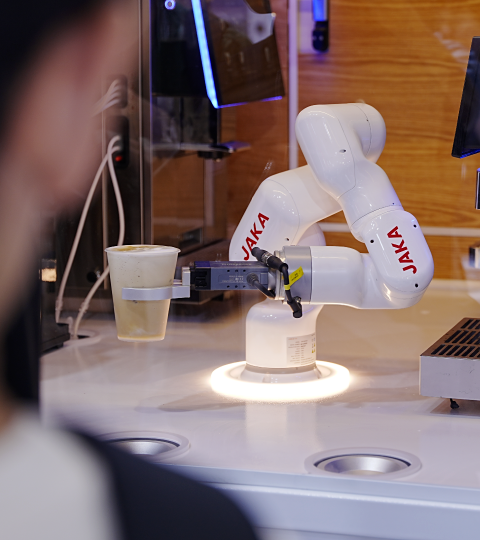
Conclusion: Key Takeaways on Cobots in Your Business
So, what have we learned? First, cobots are not a threat; they’re an opportunity. Second, while things may be tricky during the transition phase, the benefits far outweigh the challenges. Lastly, if you’re looking to invest, here are three key evaluation metrics: productivity increase percentage, employee satisfaction post-implementation, and long-term ROI projections. Taking these steps now can set your business apart from the rest. It’s complex, but with the right support, navigating this shift can result in tremendous growth and innovation. The future is bright with cobots leading the charge.
One final note: while the world of collaborative robots is still evolving, choosing a quality partner is crucial. A reliable brand, like JAKA, ensures you’re on the right path. Your journey into automation starts now—let’s make it a great one!