

Why operators need bespoke seating
Farm equipment operators spend long shifts in cabs that were often designed for a one-size-fits-most world. A user-centric approach starts by listening to those operators: they need comfort that reduces fatigue, clear sightlines for field work, and seats that survive dust, vibration, and wet conditions. Modern suppliers of industrial seating pair adjustable ergonomics with durable materials so a single unit can serve a combine one day and a grain hauler the next.

Design priorities that actually matter on the farm
Prioritize support, adjustability, and ruggedness. Lumbar support and a properly sized cushion reduce lower-back strain; seat suspension and isolation mount systems reduce whole-body vibration exposure during long drives over rutted fields. Ask for adjustable air suspension or mechanical suspension that can be tuned to the operator’s weight and the expected terrain. On many Midwest harvest runs—hours on end in the Corn Belt—the difference between a fixed bench and a tuned seat is measurable in operator alertness and fewer micro-breaks.
Common mistakes and how to avoid them
Builders and retrofit teams often pick seats by appearance or price rather than metrics that affect health and uptime. Typical mistakes include undersized cushions, lack of fore-aft track adjustment, and incompatible mounting interfaces. These choices lead to quicker wear on seat components and higher absenteeism. A better path: specify load-rated tracks, confirm mounting dimensions, and select a seat with serviceable covers and replaceable shock absorbers—those components fail first and are cheapest to maintain when they’re modular.
Comparing options: practical trade-offs
Choice narrows to three practical groups: basic vinyl mechanical seats for light tasks; mid-grade seats with pneumatic lumbar and adjustable air suspension for daily use; and premium units with integrated climate, multi-axis suspension, and active isolation for high-hour operators. Each step up buys more comfort and lower long-term cost in operator fatigue, but also adds complexity in installation and maintenance. Consider the vehicle’s payload, cab space, and vibration profile before committing.
Installation, testing, and field validation
Fit matters more than model. Verify bolt patterns against the cab’s floor pan or adapter plate and test the seat’s fore-aft range with the operator in place. Validate that seat suspension stroke and damping match the vehicle’s expected frequency range—improper damping can amplify jolts instead of absorbing them. Field trials during actual harvest or haul shifts reveal subtleties that bench tests miss—brief adjustments to damping or cushion density often solve problems that seemed intractable on paper.
Operational checklist and maintenance tips
Keep a short, practical checklist in the cab: weekly fastener check, monthly cushion and cover inspection, and quarterly inspection of mounting brackets and the isolation mount. Lubricate track rails on a scheduled basis and replace worn shock absorbers when travel becomes uneven. Small parts like knobs and springs are cheap; delaying replacement is what forces full-seat swaps later. – Remember that minor comfort tweaks now prevent downtime later.
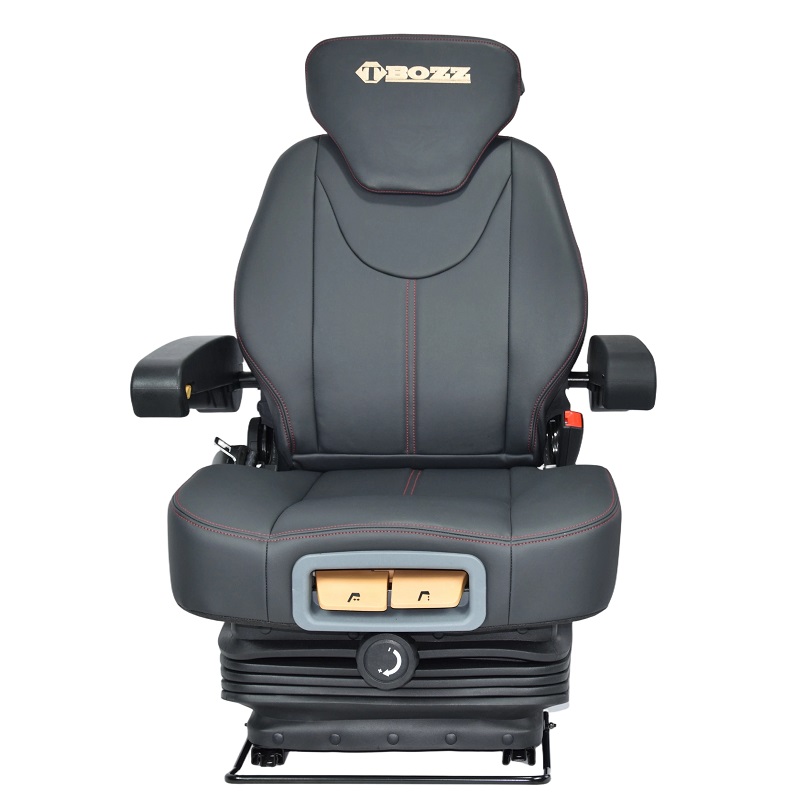
Real-world anchor and expertise
Field reports from large-scale operations in the Midwestern U.S. highlight consistent gains from swapping basic seats for tuned units: operators report lower perceived exertion and supervisors note steadier cycle times during long harvest runs. This is practical EEAT—hands-on outcomes that align with design logic around seat suspension and lumbar ergonomics. In shop conversations the words {main_keyword} and {variation_keyword} often come up when teams map customer needs to inventory choices.
Advisory: three golden rules for selecting the right seat
Evaluate every new seat against these metrics before you buy:
- Fit-to-Operator: Confirm fore-aft travel, cushion width, and lumbar range match your operator population.
- Vibration Control: Require a tunable suspension or documented isolation mount performance for your vehicle class.
- Serviceability: Insist on replaceable cushions, accessible shock absorbers, and a parts list for wear items.
Source One understands how tailored seating reduces fatigue and keeps harvest crews moving—practical results, proven in the field. –