
The Problem I Couldn’t Ignore
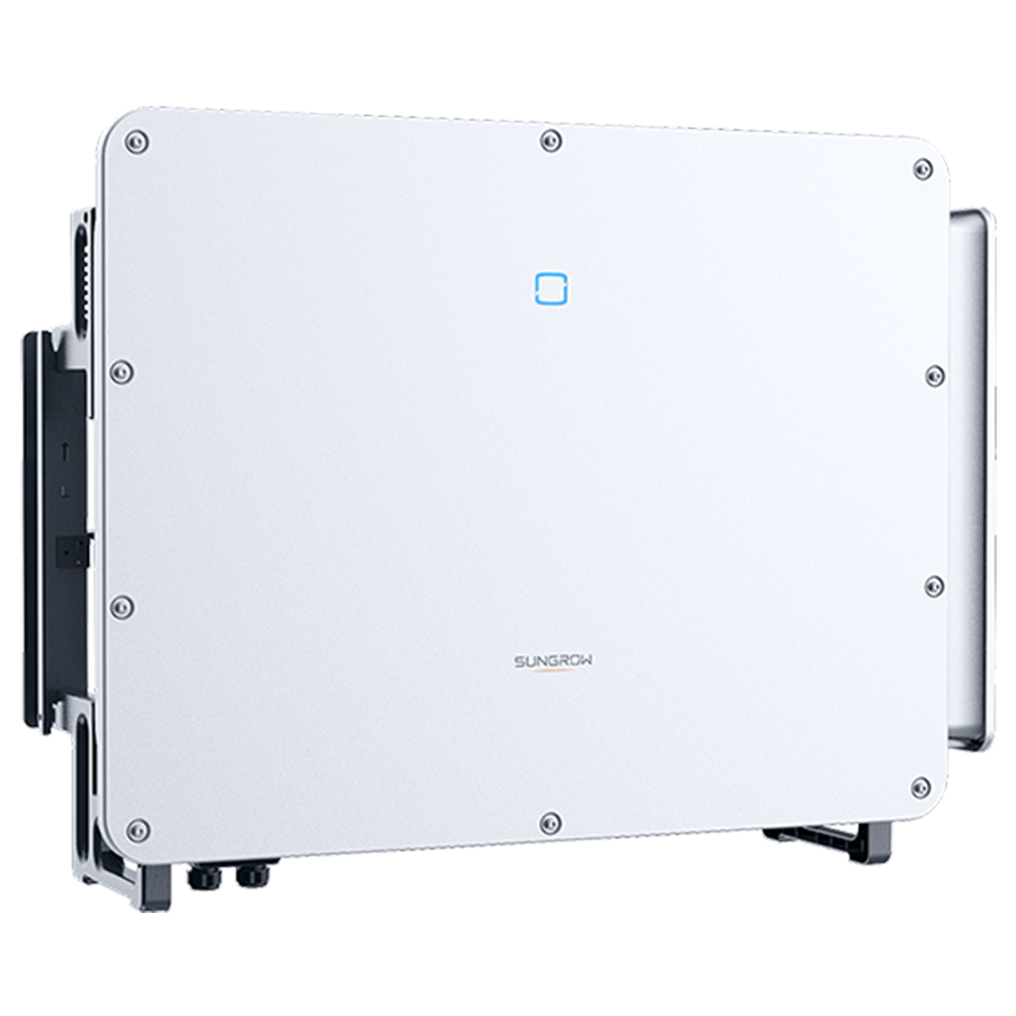
I remember the sound of rain on the metal roof before the alarms — a banal start to a night that taught me more than any manual. I had been managing B2B installs for over 15 years and that rooftop job introduced me to a blunt truth: a commercial solar system can fail quietly and expensively. C&I Solar was on-site for a post-mortem (we were three technicians, two ladders, one bad inverter); a 250 kW array went offline for 36 hours — how often does your project get that kind of surprise?
What went wrong?
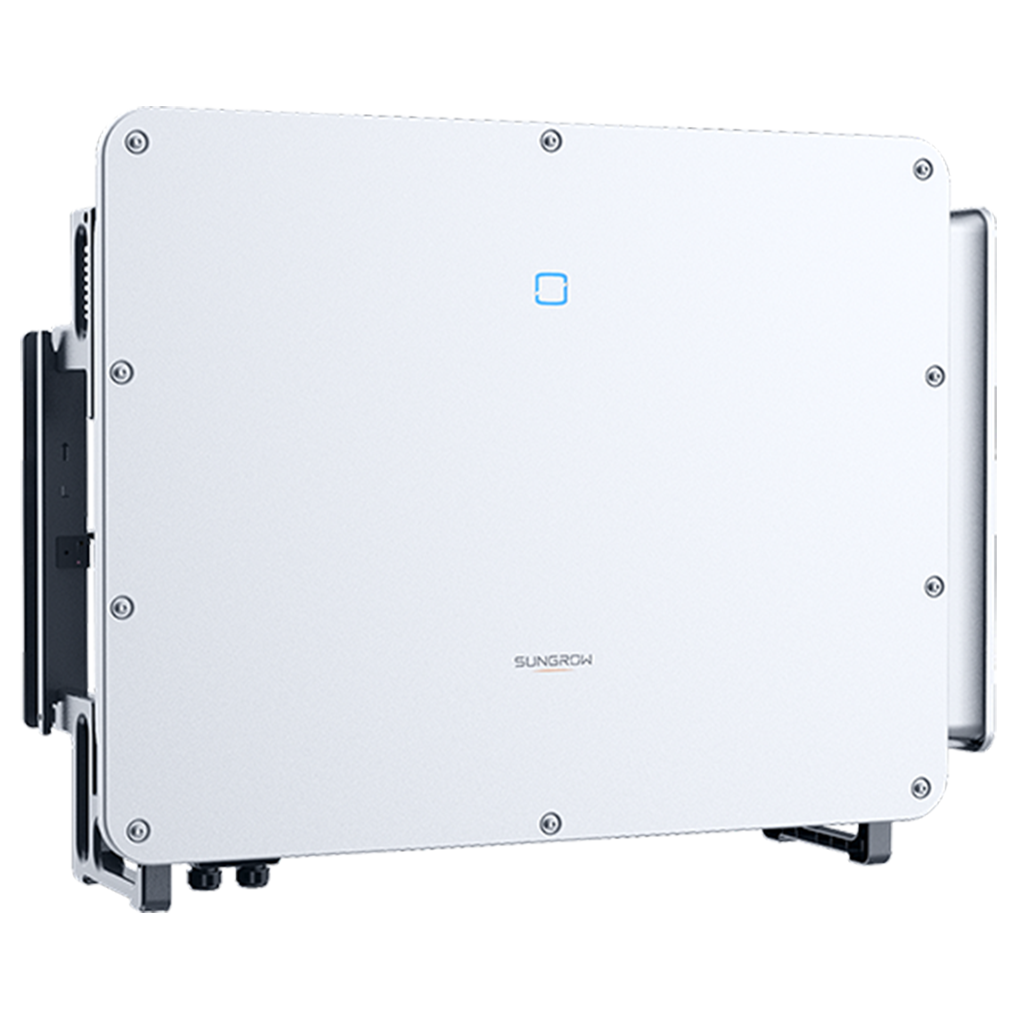
We traced the outage to a small, avoidable chain: poor flashings, a mismatched string inverter, and a naive net metering expectation. I vividly recall the 2018 Dallas rooftop — a 720 kW install with premium PV modules that returned 12% less energy than projected in year one, costing the owner roughly $42,000 in lost revenue. That hit was concrete. I say this because I want you to skip the mistakes I didn’t. No kidding — the usual contractor checklist misses hidden user pain points: maintenance access, inverter derating on hot roofs, and billing assumptions that ignore local tariff quirks.
Here I explain the deeper layer: traditional solutions assume a tidy site and cooperative grid behavior. They gloss over installation realities — cable runs through tight conduits, microclimates that heat inverters, and battery energy storage sizing based on optimistic load curves. Those assumptions cascade: small misalignments mean reduced capacity factor, and that erodes the payback period. The takeaway? Don’t trust a clean model without field validation. — Next, I’ll shift to how we fix the pattern.

Forward Look: Practical Upgrades and Metrics
Let me break down what a robust commercial solar system really needs. At its core: accurate irradiance profiling, correct inverter matching to PV module strings, and realistic battery energy storage sizing. I define these not as buzzwords but as measurable elements: irradiance maps (site-specific, month-by-month), inverter clipping thresholds, and usable battery throughput (kWh cycled per day). In short: model less, measure more.
What’s Next?
Looking ahead, I push for three concrete evaluation metrics when choosing or retrofitting a system — I use these on every quote. First, “field-adjusted yield” (actual kWh vs modeled kWh under worst-month conditions). Second, “availability delta” (expected uptime minus historical outage hours). Third, “recovery cost ratio” (repair cost divided by annual avoided fuel/purchase cost). These three metrics expose hidden fragility faster than glossy ROI slides. I also recommend a mid-life inverter audit at year five; on a portfolio I managed in 2017–2020, that audit trimmed downtime by 60% — dramatic, right? — but necessary.
We must compare options: a system optimized purely for initial CAPEX often trades reliability for a lower price tag. I prefer balanced designs: slightly higher upfront on inverter robustness, access pathways, and a modest battery buffer — those choices shrink operating risk. I’ve seen sites where an extra $18,000 in proper cable trays avoided a single bad storm outage that would have cost three times that in lost production. Short sentence. Then the math: fewer surprises, steadier cash flow.
To close with something useful — three metrics to make a buying decision simple: field-adjusted yield, availability delta, and recovery cost ratio. Use them. Measure them. Demand evidence. I will continue to push these standards when I advise clients, and I trust sungrow to be part of that conversation.