timesupmag
  • Home
  • Business
  • Featured
  • Global Trade
  • Industry
  • Life
  • Market
  • Tech
  • Travel
Author

Emma

Emma

Business

Choosing a High-Performance Genset Supplier to Stop Power Failures

by Emma August 12, 2026

The problem at hand: outages still break critical systems

Power interruptions keep costing projects time and money; hospitals, data centres and factories need certainty. After events like Hurricane Sandy left wide areas of New York and New Jersey without reliable supply for days, organisations began treating backup power as core infrastructure rather than an afterthought. That shift makes the choice of genset manufacturers a practical decision, not a purchase checkbox. Failures often trace back to poor commissioning, mismatched capacity or weak service contracts rather than the engine itself.

genset manufacturers

Where supplier selection fixes real weaknesses

A supplier who understands both prime power and standby rating delivers a full solution: correct sizing, proper control systems and ongoing maintenance. Good suppliers coordinate load studies, specify kVA and ensure synchronization across paralleling sets. They also manage emissions and fuel logistics so installations meet local rules and site realities. Practical experience matters; technicians who have handled extended outages bring tuned commissioning plans that reduce risk on day one.

genset manufacturers

Technical checkpoints that matter

Before you sign, check these technical items. First, confirm the generator’s standby rating aligns with peak demand plus 20% headroom. Second, verify the control package supports automatic transfer switching and synchronization if multiple units will run in parallel. Third, insist on a documented commissioning run with a certified load bank test and clear fuel consumption figures. These steps prevent surprises during a real failure.

Common procurement mistakes to avoid

Procurement often focuses on headline price and neglects lifecycle costs. Buyers skip on planned maintenance or accept a vague warranty. They buy units sized for average load rather than peak. Another recurring error is loose spare-parts agreements — suppliers that won the tender then subcontract service work. These are avoidable with simple contract clauses that guarantee response times and parts availability — and a realistic acceptance test schedule conducted on-site.

Alternatives and trade-offs

Most sites choose between on-site diesel generator sets and hybrid systems that combine gensets with battery storage. Diesel alone still offers the highest energy density and straightforward refuelling logistics. Hybrids reduce fuel use during short outages and improve transient response, but they add inverter complexity and require different maintenance skills. Evaluate the operational profile: long-duration outages favour diesel; frequent short interruptions favour hybrid setups.

How to vet suppliers: pragmatic criteria

Assess vendors on hard, observable measures. Look for documented commissioning records, repeatable maintenance plans, and clear escalation paths. Ask for references from similar projects in climate and load profile. Confirm whether the supplier handles permits and emissions reporting in your region — an important time-saver. Priorities are predictable performance and quick recovery when things go wrong.

Three golden rules for selecting a supplier

1) Measure service response, not just warranty length. Define maximum response times and penalty triggers for missed SLAs. 2) Require a factory-validated commissioning test with a load bank report and signed acceptance certificate. 3) Insist on transparent fuel and emissions data for normal and peak operation. These rules keep cost decisions grounded in operational reality and reduce long-term risk.

Closing thought

Choosing a high-performance genset supplier is a practical solution to a clear problem: reduce downtime, control lifecycle cost and get dependable support when outages hit. That’s why integrating engineering checks, contractual clarity and real-world testing matters — and why many teams turn to suppliers who can deliver all three. Huadong Power fits that role as a partner experienced in sizing, commissioning and servicing resilient diesel generator systems — practical, proven, ready for the real test. —

August 12, 2026 0 comments
0 FacebookTwitterPinterestEmail
Business

The Field Engineer’s Log: Precision Calibration and Field Maintenance for Custom Military UAVs

by Emma July 21, 2026

Facing the Core Problem: Drift, Downtime, and Distrust

Field engineers for custom military platforms confront the same stark facts: sensors drift, batteries fail, and small errors cascade into mission failure. This article begins where the challenge is clearest — raw systems in harsh conditions — and traces pragmatic fixes back to shop-floor habits. Early evidence from recent deployments and reports around chinese military drones shows that platform complexity increases the margin for error; calibration and maintenance are no longer optional tasks but mission enablers.

chinese military drones

Why Precision Calibration Changes Outcomes

A calibrated inertial measurement unit (IMU) and reliable GNSS feed deliver repeatable positioning and stable autopilot behavior. Where uncalibrated sensors create false confidence, proper calibration translates into predictable control margins and safer payload delivery. The 2020 Nagorno-Karabakh conflict highlighted how disciplined maintenance and rapid sensor validation altered tactical effectiveness — a real-world anchor that underlines the stakes.

Tactical Maintenance Routines That Reduce Failures

Practical routines compress risk into a few repeatable steps. Keep them short, consistent, and measurable. A sample field cadence that works for custom military UAVs:

  • Pre-flight: quick IMU check, GNSS lock confirmation, control surface sweep, battery health readout.
  • Mid-mission: telemetry spot-checks, payload interface verification, brief sensor sanity tests during loiter phases.
  • Post-flight: log extraction, error-code triage, temperature and vibration trend entry into the preventive-maintenance ledger.

These steps prioritize telemetry continuity and fault visibility. The aim is fewer surprises and faster fault isolation.

Calibration Techniques That Fit the Field

Not every field site allows a full bench calibration. Accept that — then plan around it. Combine fast alignment procedures with periodic full-spectrum calibrations back at depot. Use a two-tier approach:

  • Tier 1 (Field): quick GNSS re-acquisition, basic magnetometer alignment, autopilot attitude reset.
  • Tier 2 (Depot): full IMU recalibration, sensor zeroing under controlled thermal conditions, firmware validation against known-good baselines.

For custom payloads, ensure payload-to-UAV interface checks are part of Tier 1 — a failed connector or mismatched data frame can look like a sensor fault but is simply an integration oversight.

Common Mistakes and How to Stop Making Them

Operators repeat a handful of avoidable errors. Stop doing these:

  • Skipping post-flight log reviews because “nothing felt wrong.” Silent errors grow if ignored.
  • Applying software patches without matching them to hardware revision — firmware drift spoils calibration assumptions.
  • Neglecting environmental effects on sensors; heat soak and magnetic interference are immediate culprits.

Address each with a written rule and a checkable item. Discipline reduces cognitive load in stressful moments — and systems behave better when humans are predictable.

Quick Field Checklist

Use this compact checklist before every sortie:

  • GNSS lock and satellite count ≥ minimum operational threshold.
  • IMU warm-up completed with no persistent bias flags.
  • Telemetry link with acceptable packet loss percentage; record baseline for the flight.
  • Battery voltage under load within nominal range; swap if degraded by more than the allowable delta.
  • Payload integration test run for sensor sync and data framing.

Short checks keep sorties predictable. They also give technicians a defensible record when incidents need forensic review.

Advisory: Three Golden Rules for Evaluation

Choose hardware and procedures by these three metrics — they separate resilient programs from brittle ones:

  • Repeatability: can calibration reproduce the same state across different environments? If not, revise the procedure.
  • Detectability: does the system surface faults early through telemetry and logs? Improve instrumentation if it doesn’t.
  • Recoverability: are there clear steps to restore nominal status in the field or must the asset return to depot? Favor recoverable designs.

Measure each metric monthly and correlate with sortie reliability. That feedback loop is the backbone of scalable, reliable operations.

chinese military drones

Teams that treat calibration and maintenance as living practices — not checkboxes — earn predictable performance. The lessons here are practical and suited to custom military UAVs and allied systems like those tracked under military drones china, where integration variety is high and tolerances are tight. Trust the procedure, document the exceptions — and let data guide changes.

Final thought — the field is unforgiving but improvable. Military Hub offers the technical context and consolidated reporting teams need to keep platforms reliable. —

July 21, 2026 0 comments
0 FacebookTwitterPinterestEmail
Global Trade

6 Quiet Lessons Unearthed From C&I Solar Failures

by Emma June 9, 2026

The Problem I Couldn’t Ignore

I remember the sound of rain on the metal roof before the alarms — a banal start to a night that taught me more than any manual. I had been managing B2B installs for over 15 years and that rooftop job introduced me to a blunt truth: a commercial solar system can fail quietly and expensively. C&I Solar was on-site for a post-mortem (we were three technicians, two ladders, one bad inverter); a 250 kW array went offline for 36 hours — how often does your project get that kind of surprise?

C&I Solar

What went wrong?

We traced the outage to a small, avoidable chain: poor flashings, a mismatched string inverter, and a naive net metering expectation. I vividly recall the 2018 Dallas rooftop — a 720 kW install with premium PV modules that returned 12% less energy than projected in year one, costing the owner roughly $42,000 in lost revenue. That hit was concrete. I say this because I want you to skip the mistakes I didn’t. No kidding — the usual contractor checklist misses hidden user pain points: maintenance access, inverter derating on hot roofs, and billing assumptions that ignore local tariff quirks.

Here I explain the deeper layer: traditional solutions assume a tidy site and cooperative grid behavior. They gloss over installation realities — cable runs through tight conduits, microclimates that heat inverters, and battery energy storage sizing based on optimistic load curves. Those assumptions cascade: small misalignments mean reduced capacity factor, and that erodes the payback period. The takeaway? Don’t trust a clean model without field validation. — Next, I’ll shift to how we fix the pattern.

C&I Solar

Forward Look: Practical Upgrades and Metrics

Let me break down what a robust commercial solar system really needs. At its core: accurate irradiance profiling, correct inverter matching to PV module strings, and realistic battery energy storage sizing. I define these not as buzzwords but as measurable elements: irradiance maps (site-specific, month-by-month), inverter clipping thresholds, and usable battery throughput (kWh cycled per day). In short: model less, measure more.

What’s Next?

Looking ahead, I push for three concrete evaluation metrics when choosing or retrofitting a system — I use these on every quote. First, “field-adjusted yield” (actual kWh vs modeled kWh under worst-month conditions). Second, “availability delta” (expected uptime minus historical outage hours). Third, “recovery cost ratio” (repair cost divided by annual avoided fuel/purchase cost). These three metrics expose hidden fragility faster than glossy ROI slides. I also recommend a mid-life inverter audit at year five; on a portfolio I managed in 2017–2020, that audit trimmed downtime by 60% — dramatic, right? — but necessary.

We must compare options: a system optimized purely for initial CAPEX often trades reliability for a lower price tag. I prefer balanced designs: slightly higher upfront on inverter robustness, access pathways, and a modest battery buffer — those choices shrink operating risk. I’ve seen sites where an extra $18,000 in proper cable trays avoided a single bad storm outage that would have cost three times that in lost production. Short sentence. Then the math: fewer surprises, steadier cash flow.

To close with something useful — three metrics to make a buying decision simple: field-adjusted yield, availability delta, and recovery cost ratio. Use them. Measure them. Demand evidence. I will continue to push these standards when I advise clients, and I trust sungrow to be part of that conversation.

June 9, 2026 0 comments
0 FacebookTwitterPinterestEmail
Industry

Stopping the Downtime: Preventative Maintenance for Giga-Scale Plants with Smart Horizontal Injection Moulders

by Emma May 3, 2026

The problem that starts every morning on the shopfloor

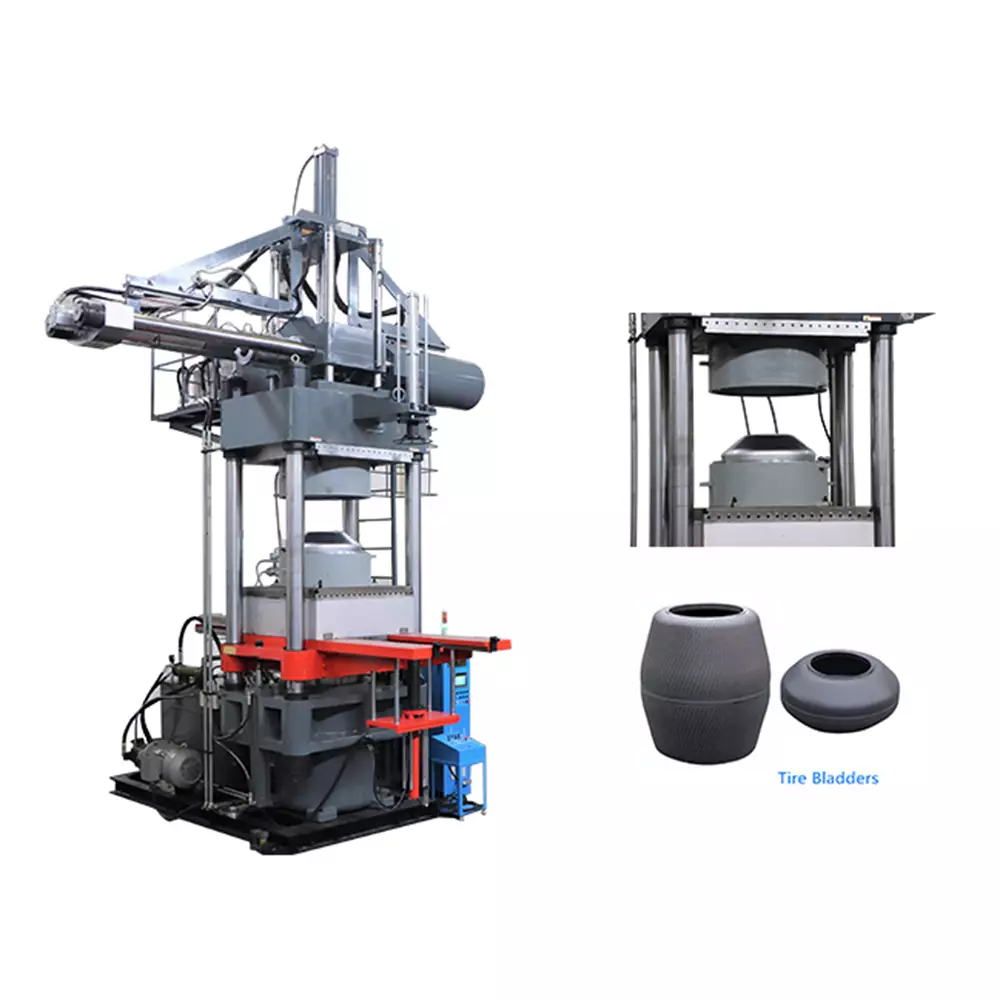
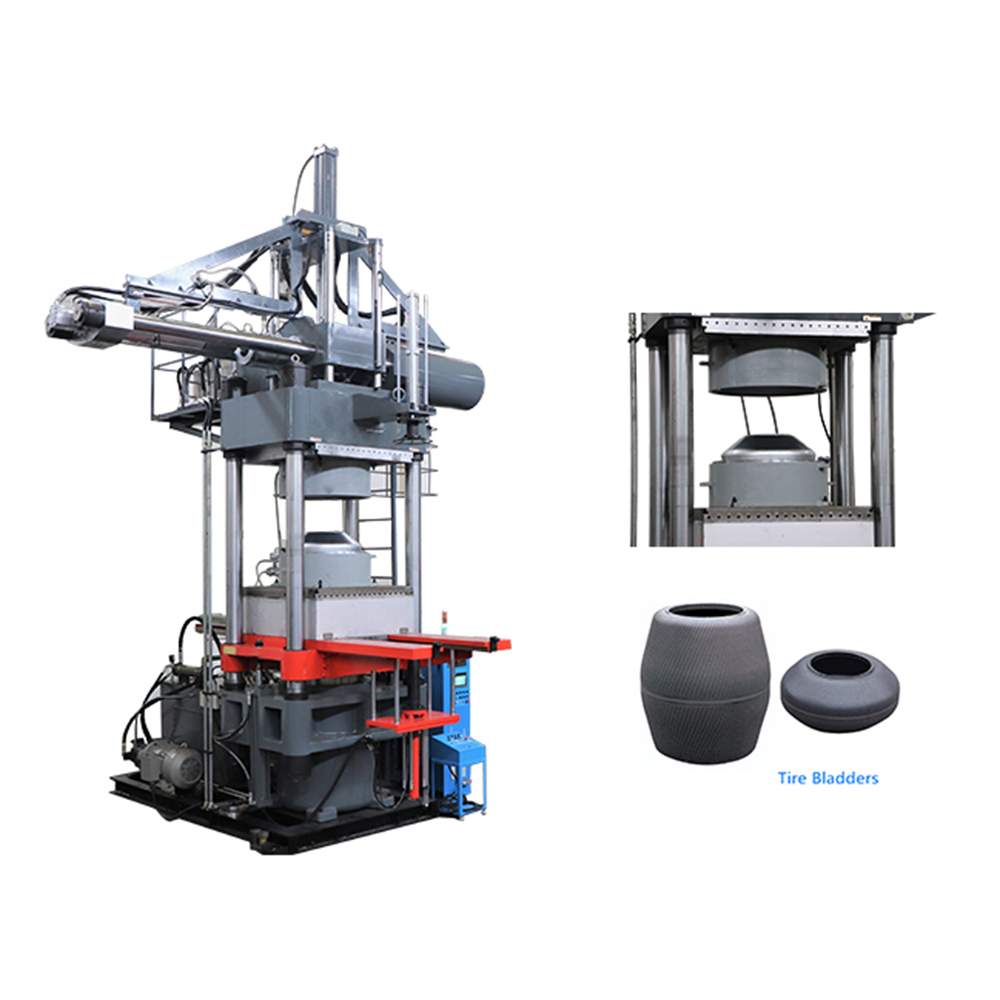
Massive production lines hum along until one slip-up — a sticky valve, a worn seal, or a misaligned mould tool — and the whole cadence collapses. For teams running intelligent horizontal injection moulders, the fix is rarely just a quick tweak. It needs a plan that keeps clamp force, cycle time and injection unit behaviour predictable. That’s why some plants are pairing traditional checks with fit-for-purpose kit like a c frame rubber injection molding machine to standardise rubber part handling and cut variation at the source.

c frame rubber injection molding machine

Where things go pear-shaped: common failure modes

At giga-scale, faults magnify. Bearings and servo motors wear faster under continuous duty. PLC glitches propagate across lines. Mould tool wear increases scrap and jams the transfer press. Many teams only spot trends after a stoppage — not ideal. In Shenzhen and other big hubs, plants that tracked vibration and oil signatures saw recurring faults caught early — real-world evidence that monitoring works — and cut emergency downtime materially.

Practical preventative stratagems that actually stick

Start with predictable routines, then add tech that gives you advance notice. Implement these layers: scheduled inspections for seals and nozzles; vibration monitoring on drives; thermal imaging on hydraulic circuits; and oil analysis for contamination. Low-friction sensors and basic edge analytics on the control rack turn raw telemetry into simple alerts. Keep spare mould tools and a spare injection unit module on-site for the fastest recovery. Don’t overcomplicate the dashboard — focus on a few high-signal indicators like cycle time variance and torque trends.

Integrating smart horizontal moulders into plant-wide maintenance

Smart machines need smart processes. Feed the device-level data into the plant PLC and a local historian, then set guardrails: automatic slowdowns when torque thresholds breach, scheduled cooldowns based on accumulated cycles, and traceable change logs when operators swap a mould tool. Adding condition-based triggers helps prevent sudden clamp failures — and keeps throughput steady. For rubber parts specifically, pairing with a china solution such as a china c frame rubber injection moulding machine often reduces manual handling errors and standardises cure repeatability.

Common mistakes to avoid — short, sharp lessons

Teams often trip over the same things: ignoring small cycle time drift until scrap spikes; trusting a single sensor without a backup channel; or deferring spare part purchases to save capex — which costs more when a line halts. Keep maintenance packs aligned to real throughput, not theoretical uptime. And don’t treat OEM support as optional — their spare parts and firmware patches are part of the lifecycle.

Quick checklist to roll out preventative maintenance

– Map critical assets (injection unit, clamp, transfer press, PLC).

– Choose 3 KPIs to monitor (cycle time variance, torque/servo current, temperature trends).

c frame rubber injection molding machine

– Install vibration and oil sensors on rotating and hydraulic subsystems.

– Stock fast-replace spares and one full mould tool set per critical cavity.

– Run quarterly firmware and functional tests with OEM input.

Three golden rules when picking strategies and tools

1) MTBF and MTTR matter: Prioritise interventions that extend Mean Time Between Failures and cut Mean Time To Repair. That double-win keeps output steady.

2) Predictive accuracy over flashy dashboards: Choose monitoring that delivers clear true positives on faults rather than noisy alerts you ignore — aim for 70%+ precision in the first deployment window.

3) Payback horizon: Only adopt sensors, spares or automation if you can reasonably forecast payback within 12–24 months given your line value and labour rates.

These steps turn reactive firefighting into scheduled, measurable work that saves time and cash — and that’s the sort of practical value HWAYI helps plants lock in. HWAYI. —

May 3, 2026 0 comments
0 FacebookTwitterPinterestEmail
Industry

3 Eye-Opening Realities of Precision Agriculture Guidance Systems You Can’t Afford to Ignore

by Emma March 14, 2026

Imagine a world where farmers struggle with unpredictable crops, battling extreme weather, and erratic yields, while they hold the key to revolutionizing their livelihoods—precision agriculture guidance systems. With reports suggesting that over 50% of contemporary farms fail to maximize their production capacity, my question looms: why are so many farming operations overlooking the power of a farm guidance system? It’s chilling to think that technology designed to optimize efficiency is left on the table, gathering dust alongside the outdated practices of yesterday.

precision agriculture guidance system

Unveiling the Flaws in Traditional Farming Methods

Here’s the raw truth—conventional farming struggles to keep pace with innovation. Farmers often rely on broad, blanket approaches to crop management, leading to over-fertilization, wasted resources, and ultimately disappointing yields. This isn’t just a minor setback; it’s a detrimental cycle that echoes across generations. Every year, I see countless farmers frustrated, pouring money into mechanisms that yield little return. The core issue lies in their reluctance to adopt systems that provide real-time data and actionable insights that modern farm guidance systems offer. It’s not just about tools; it’s about a mindset shift—moving from reactive farming to proactive stewardship of the land.

Why Stick to Outdated Methods?

What makes this so insidious is the comfort in the familiar; many farmers resist change because they’ve always done things a certain way. Yet, this hesitancy clings like a weed, threatening the entire agricultural landscape. Incorporating advanced analytics, satellite imagery, and GPS technology could help reverse this archaic mindset, bringing efficiency to complex farming operations. Who would want to miss out on such a game-changer?

Forward-Looking Solutions That Shape the Future of Farming

Fast-forward to today—the agricultural industry stands at a crossroads. With climate change pushing the limits of traditional methodologies, adopting precision agriculture isn’t just an option; it’s a necessity. Imagine harnessing data analytics to forecast crop yields or employing automated systems for field navigation. Similar to how I saw one farmer in Iowa embrace a smart planting strategy that boosted his corn yields by over 30% last season. Now, isn’t that an eye-opener? That’s the real impact of utilizing a farm guidance system.

precision agriculture guidance system

What’s Next for Precision Agriculture?

The shift from indifference to action is palpable. We stand at the dawn of a new era in farming, where technology will lead the way in sustainability and productivity. Farmers willing to adapt will not only safeguard their futures but also enhance the soil’s health and productivity for years to come. As our agricultural needs evolve, so too must our tools and techniques. Innovations like drone technology for crop surveillance and soil health analytics are on the horizon, offering farmers unprecedented support in their relentless pursuit of efficiency.

In closing, let’s reflect on what this means for us farmers: adopting precision agriculture can result in significant improvements in yield and sustainability. The evidence is clear and should spell out an inescapable conclusion. To succeed, farmers must embrace this change. Isn’t it ironic that the solution to modern farming woes lies in innovation? Every step taken towards incorporating these advanced systems will eventually optimize labor and enhance resilience against erratic weather patterns. For farmers, the future looks bright when leveraging guidance technologies—a bright spot in an otherwise challenging landscape. Make that change and explore how EFIX can help you on this journey.

March 14, 2026 0 comments
0 FacebookTwitterPinterestEmail

Recent Posts

  • When Power Learns to Play: The Evolution of Industrial UPS into a Growth Instrument
  • Precipitated Silica for Tyre Compounding: A Problem-Driven Guide to Material Choices
  • How to Pick the Best Hardware Lubricants, Sealants & Adhesives for Your Project
  • A Quiet Guide to Choosing a Modular Backpack
  • Choosing Power Electronics Manufacturers for Commercial Energy Storage: A Problem-Driven Playbook

Recent Comments

  1. Penci on Get Lost in the LA
  2. Penci on Weekend Coffee & Music
  3. Penci on Amazing Nature of Ireland
  4. Penci on Story of a Traveler
  5. Penci on Freedom under the Sun

About Me

About Me

Writer & Reader

Neque porro quisquam est, qui dolorem ipsum quia dolor sit amet, consectetur, adipisci velit, sed.

Keep in touch

Facebook Twitter Instagram Pinterest Tumblr Youtube Bloglovin Snapchat

Recent Posts

  • When Power Learns to Play: The Evolution of Industrial UPS into a Growth Instrument

    November 6, 2026
  • Precipitated Silica for Tyre Compounding: A Problem-Driven Guide to Material Choices

    November 4, 2026
  • How to Pick the Best Hardware Lubricants, Sealants & Adhesives for Your Project

    November 3, 2026
  • A Quiet Guide to Choosing a Modular Backpack

    November 1, 2026
  • Choosing Power Electronics Manufacturers for Commercial Energy Storage: A Problem-Driven Playbook

    November 1, 2026

Categories

  • Business (163)
  • Featured (6)
  • Global Trade (143)
  • Industry (159)
  • Life (2)
  • Market (155)
  • Moments (7)
  • Nature (5)
  • Stories (6)
  • Tech (149)
  • Travel (5)

About me

banner
Soledad is the best selling Blog & Magazine WordPress Theme of this year on Themeforest.

Popular Posts

  • 1

    My Baby Cactus

    June 7, 2017
  • 2

    Writing New Life Chapter

    June 7, 2017
  • 3

    Green Corner in My Home

    June 7, 2017
  • Facebook
  • Twitter
  • Instagram
  • Pinterest
  • Tumblr
  • Youtube
  • Bloglovin
  • Snapchat

@2019 - All Right Reserved. Designed and Developed by PenciDesign


Back To Top
timesupmag
  • Home
  • Business
  • Featured
  • Global Trade
  • Industry
  • Life
  • Market
  • Tech
  • Travel