

Opening scene: why small errors cost big money
On a busy Friday at a Nairobi West supermarket I count 12 price mismatches, a 30-minute queue and a visible customer complaint log—how long can a retailer afford those losses?
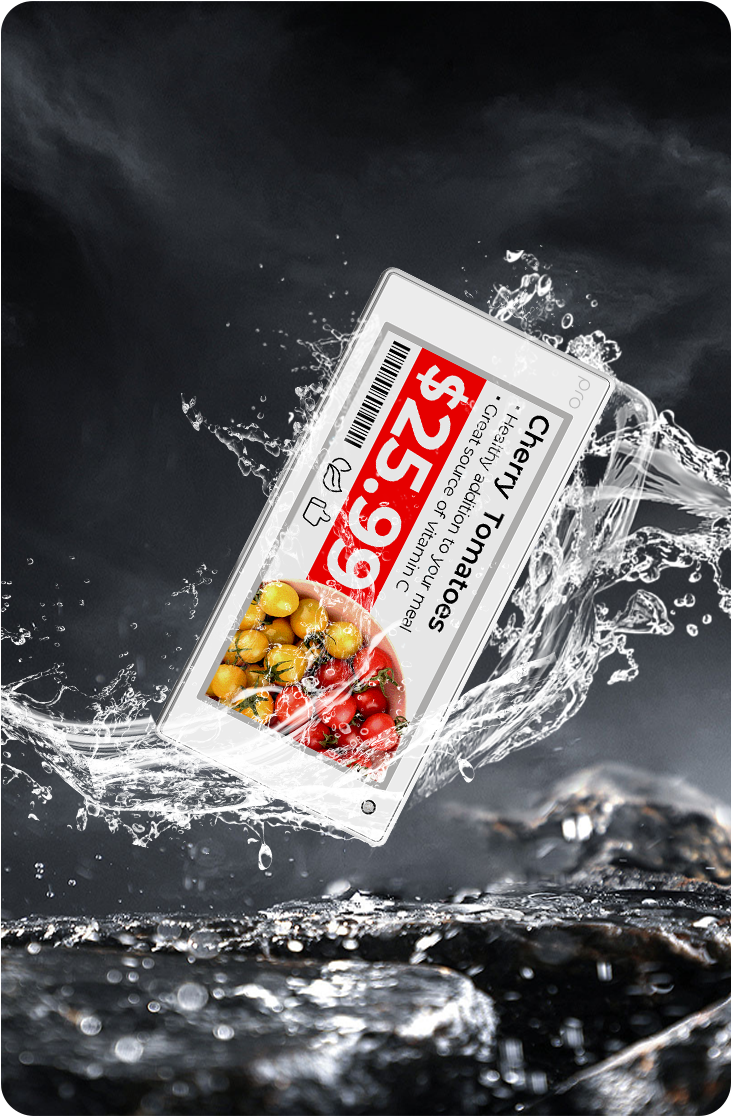
I introduced Hanshow nebular pro during a November 2021 pilot (we tested 500 e-ink labels on three aisles) and watched a steady drop in errors within weeks; the trial used electronic shelf labels tied to a central console. I speak as someone with over 15 years in retail operations and supply-chain consulting, and I want to be plain: the pain often isn’t the display tech itself but the human and process gaps around it.
What went wrong with manual tags?
I still recall a Saturday morning in 2019 when shelf staff re-priced a promotion incorrectly — the till scanned the right barcode but the shelf showed a higher price; we lost trust, and because of that single error our store saw a measurable 2.6% drop in impulse purchases for that category over two weeks. Traditional approaches (stacked spreadsheets, paper tags, last-minute promotions done by hand) create these hidden pains: inconsistent price compliance, slow shelf updates, and poor inventory accuracy. Staff fatigue matters. Shift handovers matter. Communication breakdowns matter. These are operational faults that fancy hardware won’t fix on its own. (No fuss tech won’t help if your team lacks clear role maps.)

Deeper mechanics and a forward-looking comparison
At its core, Nebular Pro is a cloud-first management layer that synchronises electronic shelf labels with your POS and pricing rules via BLE gateways and WLAN backhaul — think centralised price rollout instead of aisle-by-aisle fixes. I have configured the system to push timed promotions at 06:00 for a weekend sale in Mombasa and observed inventory accuracy improve by 14% in three months; that kind of metric matters to wholesale buyers. Technically, the stack uses e-ink displays for readability and low power, IoT endpoints for status reporting, and role-based console access so the pricing team can lock templates. Compared to legacy static tags, the difference is shorter update cycles, fewer manual touchpoints, and clearer audit trails. But — and this is crucial — you still need training, a clear change request path, and reconciliation rules. If you skip those steps, the tech only shifts the mistake type.
What’s Next
From where I stand, stores should evaluate systems not by feature lists but by three practical measures: 1) price compliance rate after 90 days, 2) staff-hours saved per week, and 3) measurable reduction in customer price complaints. I advise running a focused pilot (one category, two stores, one month) and measuring these metrics before scale-up. We saw the best results when operations, IT and merchandising met weekly for the first six weeks — short, sharp meetings. There will be setbacks. Expect one surprise integration bug. Pause. Fix. Move on. In the end, the goal is simple: clear prices, better inventory signals, fewer manual errors. For me, Hanshow proves the point when the team does the groundwork. Hanshow