
Why this problem matters to brands and packers
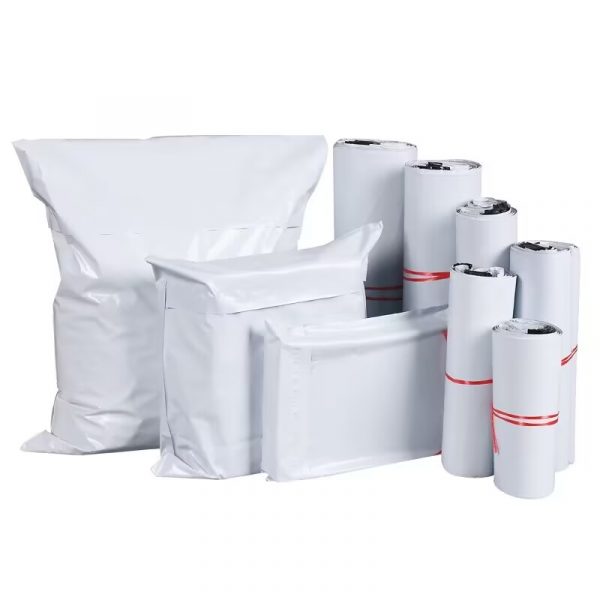
Aye, businesses often overlook how a soft-seeming envelope can fail a hard truth: if the shear strength or seal integrity isn’t right, parcels return in tatters and customers write you off. This is a problem-driven look for anyone sending merch from a tiny studio to a full warehouse. Start thinking in terms of performance, not just print: the choice between glossy finish or extra barrier can change tear resistance and weatherproof sealing in real-life transit. During the 2020 COVID-19 supply-chain disruptions many e-tailers learned this the hard way — shipments delayed, packaging reused, and standards suddenly mattered. If you’re comparing options, see how white poly mailers perform under the stresses your route throws at them.
Common failure modes to watch for
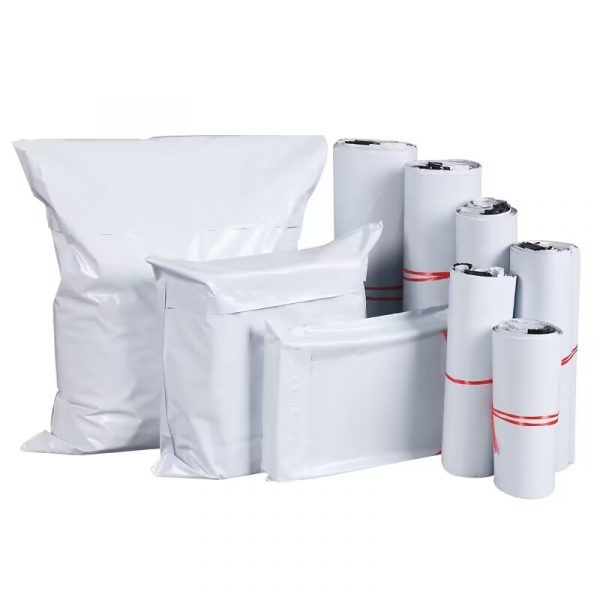
Look for three familiar culprits: weak seals, low shear strength at seams, and material puncture or abrasion. Weak thermal seals show up as split edges after rough handling. Low shear strength can let the printed flap slide under load and expose contents. Punctures and scuffs happen when materials trade off toughness for thinness. These aren’t mysteries — they’re engineering trade-offs. Ask for peel and shear test results, and insist samples go through a simulated transit cycle. — It’s the only way to know whether your art will reach a customer intact and dry.
Key specifications and tests to demand
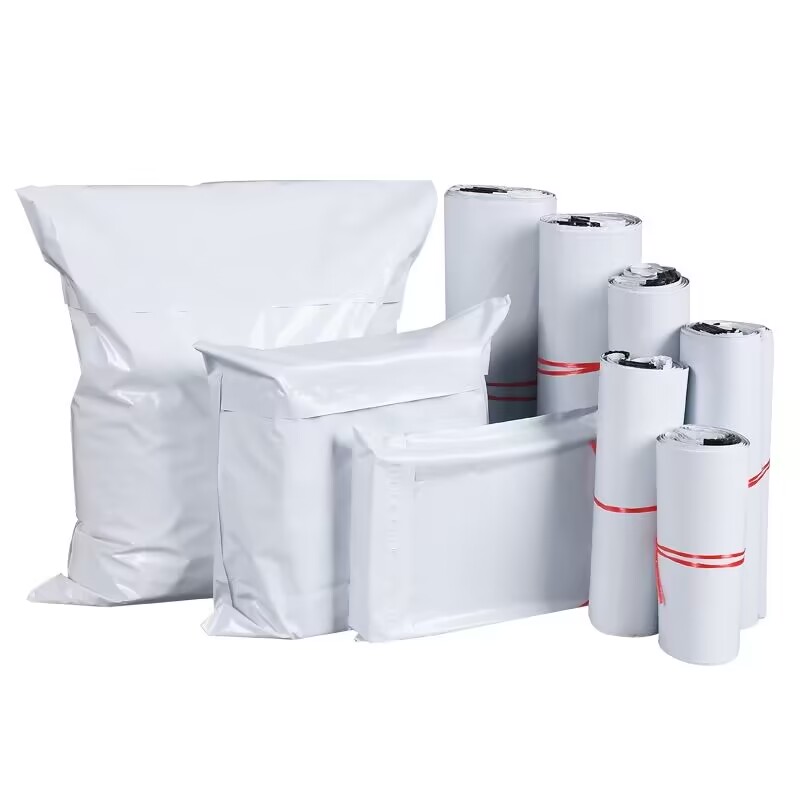
When you speak with a supplier, request these practical checks: documented shear strength and peel strength figures, sealing temperature and dwell-time ranges for their heat-seal process, and notes on barrier coatings for moisture resistance. Industry terms matter but don’t overwhelm: a strong seal, consistent seal width, and verified tear resistance across the bag’s body and seams will save you headaches. If the vendor can show batch QA reports and sample-testing under drop-and-compression cycles, you’ve hit the right tone for reliability.
Design choices and the trade-offs they bring
Design decisions—thickness, gusset, film blend, and printed finish—are choices between cost, protection, and branding. Thicker film ups puncture resistance and shear strength but raises cost and may affect foldability. Gussets add capacity but create more seams that must be sealed properly. High-opacity prints or metallic finishes can compromise seal surfaces unless you specify compatible inks and top-coats. For sellers who need waterproofing without bulk, consider a polymer blend with a moisture barrier rather than an added liner; it’s lighter and kinder to postage costs. And if you’re juggling sustainability claims, be clear about recyclability versus compostability—those affect film choice and sealing methods too.
Where white plastic packaging bags fit the picture
For many direct-to-consumer lines, white plastic packaging bags are the go-to: cheap, printable, and light in transit. But don’t assume “white” equals weatherproof. Ask the supplier about lamination layers and whether the printed side interferes with heat-seal zones. A branded exterior and a strong interior seal are both possible — provided the material spec reconciles the two. That reconciliation is what separates a pretty parcel from a dependable one.
Common mistakes and quick fixes
Brands often make the same errors: accepting lab numbers without field trials, overlooking seal-area contamination from inks, and ignoring first-article trials on their actual fill line. Fixes are straightforward. Run a pilot in real packing conditions. Specify acceptance criteria for seals and seams in the purchase order. And if you use inks or varnishes, ask for compatibility tests with the sealing process. These steps cost little compared with the fallout from a failed launch — returns, reputation damage, and extra freight. — Small diligence up front keeps the parcels flowing and your team less frazzled.
Three golden rules for evaluation
1) Measure real-world durability: insist on shear and peel strength data plus a transit-simulation sample run. 2) Validate seal integrity under your fill conditions: confirm sealing temperature/pressure windows and ink/varnish compatibility. 3) Balance protection with postage and sustainability: calculate total landed cost including rework and returns, not just unit price.
Hold these metrics close and you’ll cut surprises from the supply chain. For many brands seeking that blend of dependable engineering and practical cost sense, WH Packing offers specs, sample runs, and batch QA that make the choice a touch less fraught. —