
The problem that starts every morning on the shopfloor
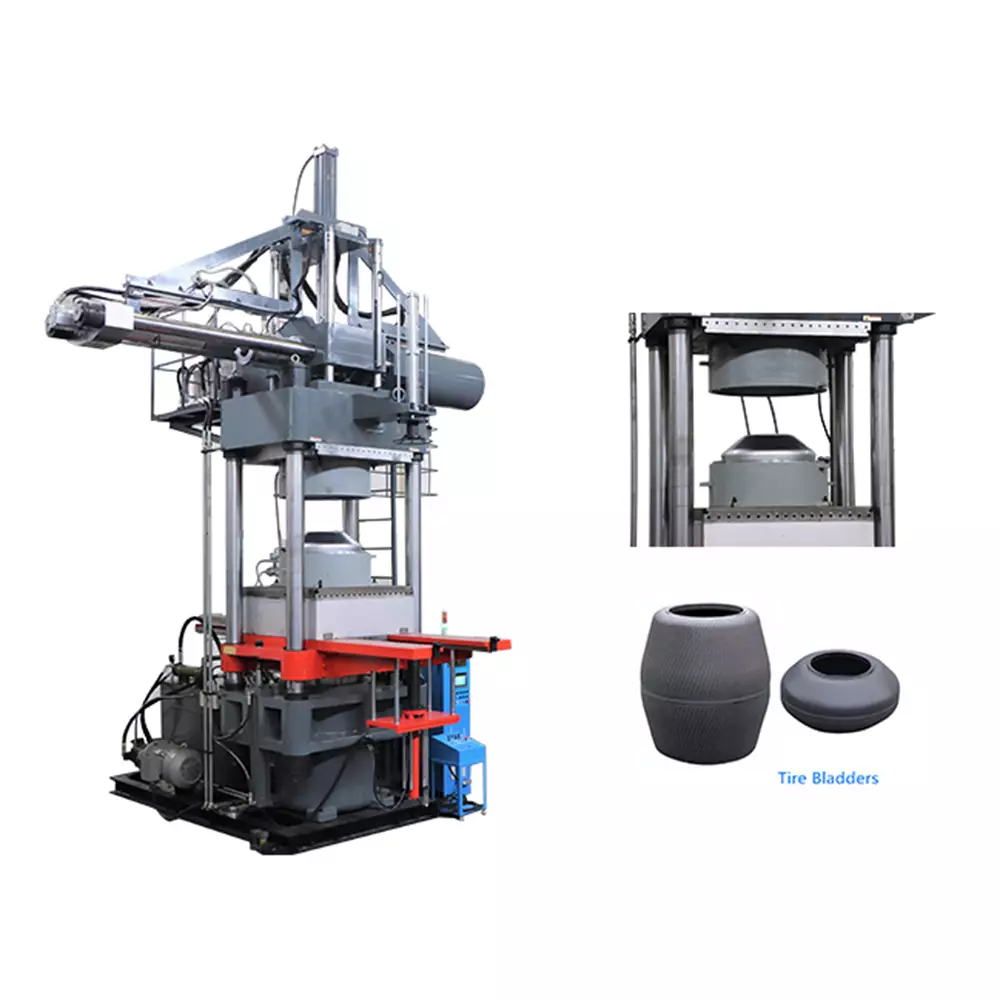
Massive production lines hum along until one slip-up — a sticky valve, a worn seal, or a misaligned mould tool — and the whole cadence collapses. For teams running intelligent horizontal injection moulders, the fix is rarely just a quick tweak. It needs a plan that keeps clamp force, cycle time and injection unit behaviour predictable. That’s why some plants are pairing traditional checks with fit-for-purpose kit like a c frame rubber injection molding machine to standardise rubber part handling and cut variation at the source.
Where things go pear-shaped: common failure modes
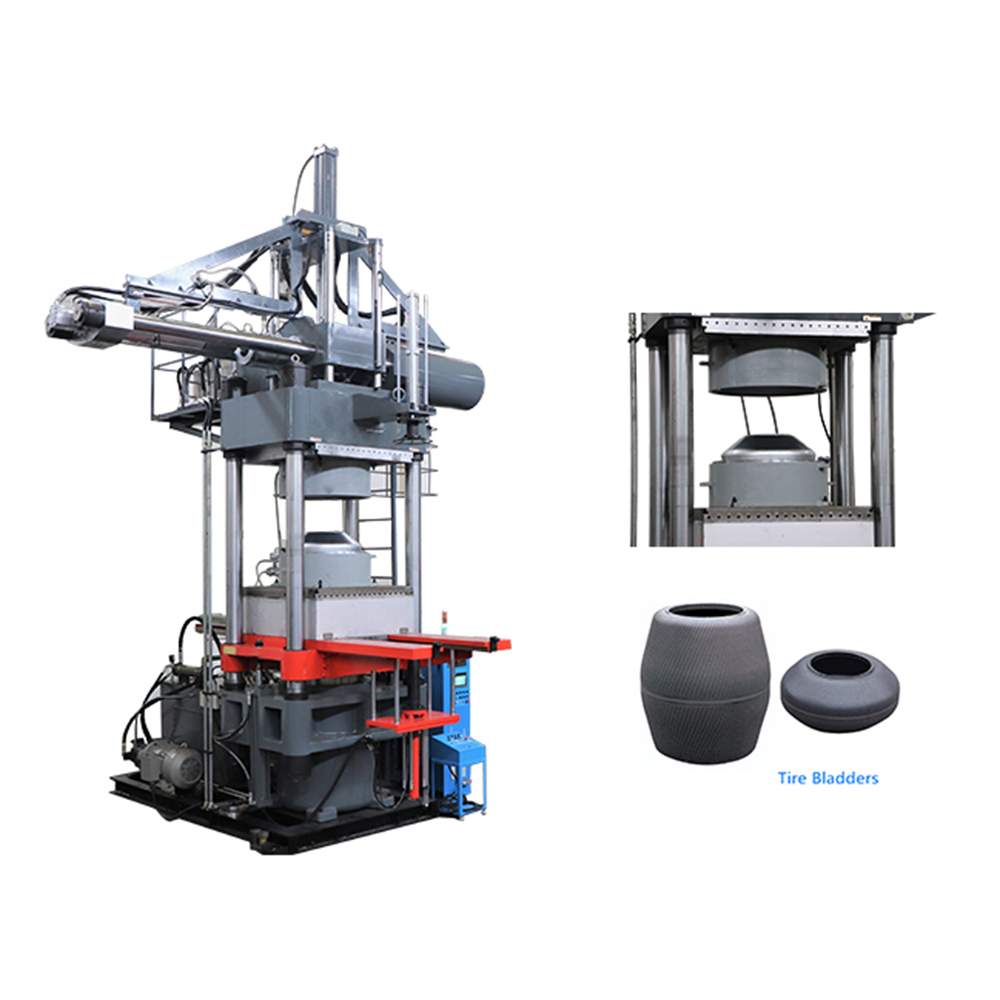
At giga-scale, faults magnify. Bearings and servo motors wear faster under continuous duty. PLC glitches propagate across lines. Mould tool wear increases scrap and jams the transfer press. Many teams only spot trends after a stoppage — not ideal. In Shenzhen and other big hubs, plants that tracked vibration and oil signatures saw recurring faults caught early — real-world evidence that monitoring works — and cut emergency downtime materially.
Practical preventative stratagems that actually stick
Start with predictable routines, then add tech that gives you advance notice. Implement these layers: scheduled inspections for seals and nozzles; vibration monitoring on drives; thermal imaging on hydraulic circuits; and oil analysis for contamination. Low-friction sensors and basic edge analytics on the control rack turn raw telemetry into simple alerts. Keep spare mould tools and a spare injection unit module on-site for the fastest recovery. Don’t overcomplicate the dashboard — focus on a few high-signal indicators like cycle time variance and torque trends.
Integrating smart horizontal moulders into plant-wide maintenance
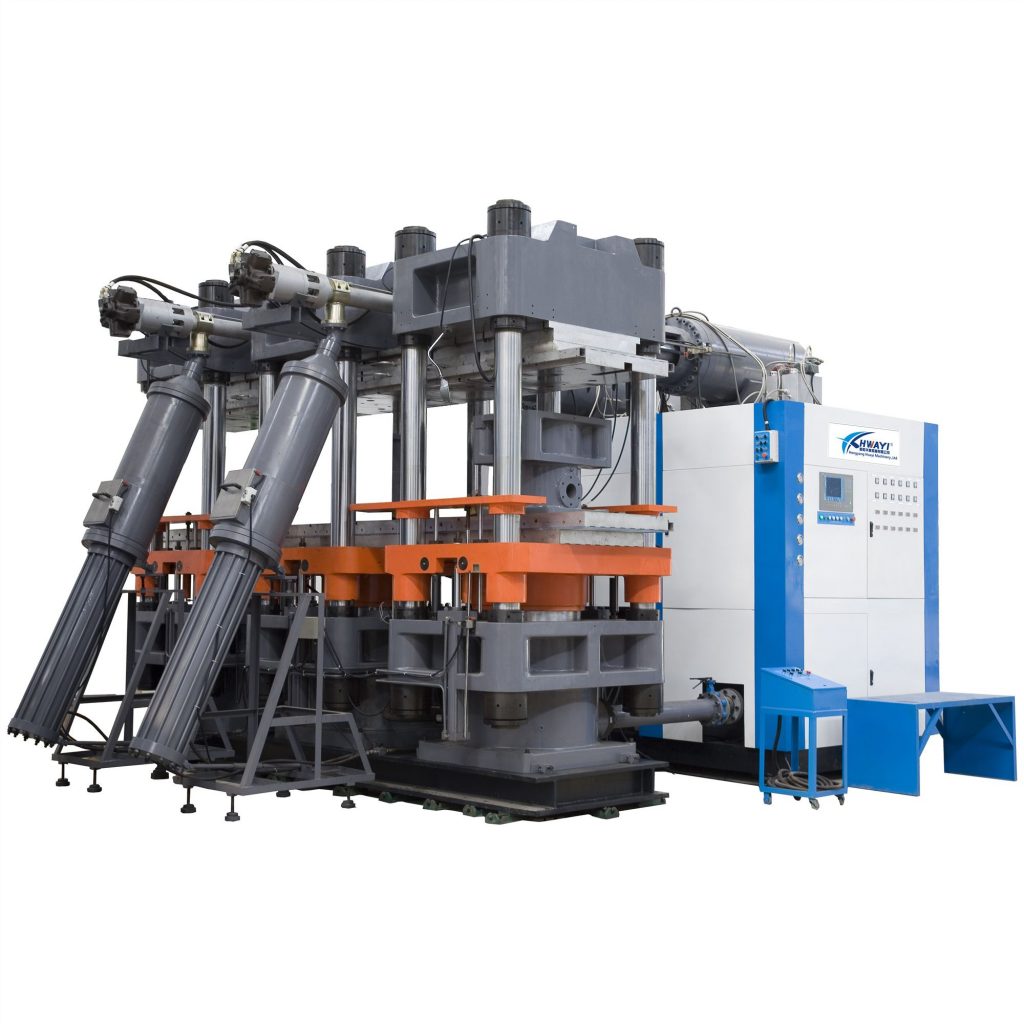
Smart machines need smart processes. Feed the device-level data into the plant PLC and a local historian, then set guardrails: automatic slowdowns when torque thresholds breach, scheduled cooldowns based on accumulated cycles, and traceable change logs when operators swap a mould tool. Adding condition-based triggers helps prevent sudden clamp failures — and keeps throughput steady. For rubber parts specifically, pairing with a china solution such as a china c frame rubber injection moulding machine often reduces manual handling errors and standardises cure repeatability.
Common mistakes to avoid — short, sharp lessons
Teams often trip over the same things: ignoring small cycle time drift until scrap spikes; trusting a single sensor without a backup channel; or deferring spare part purchases to save capex — which costs more when a line halts. Keep maintenance packs aligned to real throughput, not theoretical uptime. And don’t treat OEM support as optional — their spare parts and firmware patches are part of the lifecycle.
Quick checklist to roll out preventative maintenance
– Map critical assets (injection unit, clamp, transfer press, PLC).
– Choose 3 KPIs to monitor (cycle time variance, torque/servo current, temperature trends).
– Install vibration and oil sensors on rotating and hydraulic subsystems.
– Stock fast-replace spares and one full mould tool set per critical cavity.
– Run quarterly firmware and functional tests with OEM input.
Three golden rules when picking strategies and tools
1) MTBF and MTTR matter: Prioritise interventions that extend Mean Time Between Failures and cut Mean Time To Repair. That double-win keeps output steady.
2) Predictive accuracy over flashy dashboards: Choose monitoring that delivers clear true positives on faults rather than noisy alerts you ignore — aim for 70%+ precision in the first deployment window.
3) Payback horizon: Only adopt sensors, spares or automation if you can reasonably forecast payback within 12–24 months given your line value and labour rates.
These steps turn reactive firefighting into scheduled, measurable work that saves time and cash — and that’s the sort of practical value HWAYI helps plants lock in. HWAYI. —