
Comparing the Core Decisions
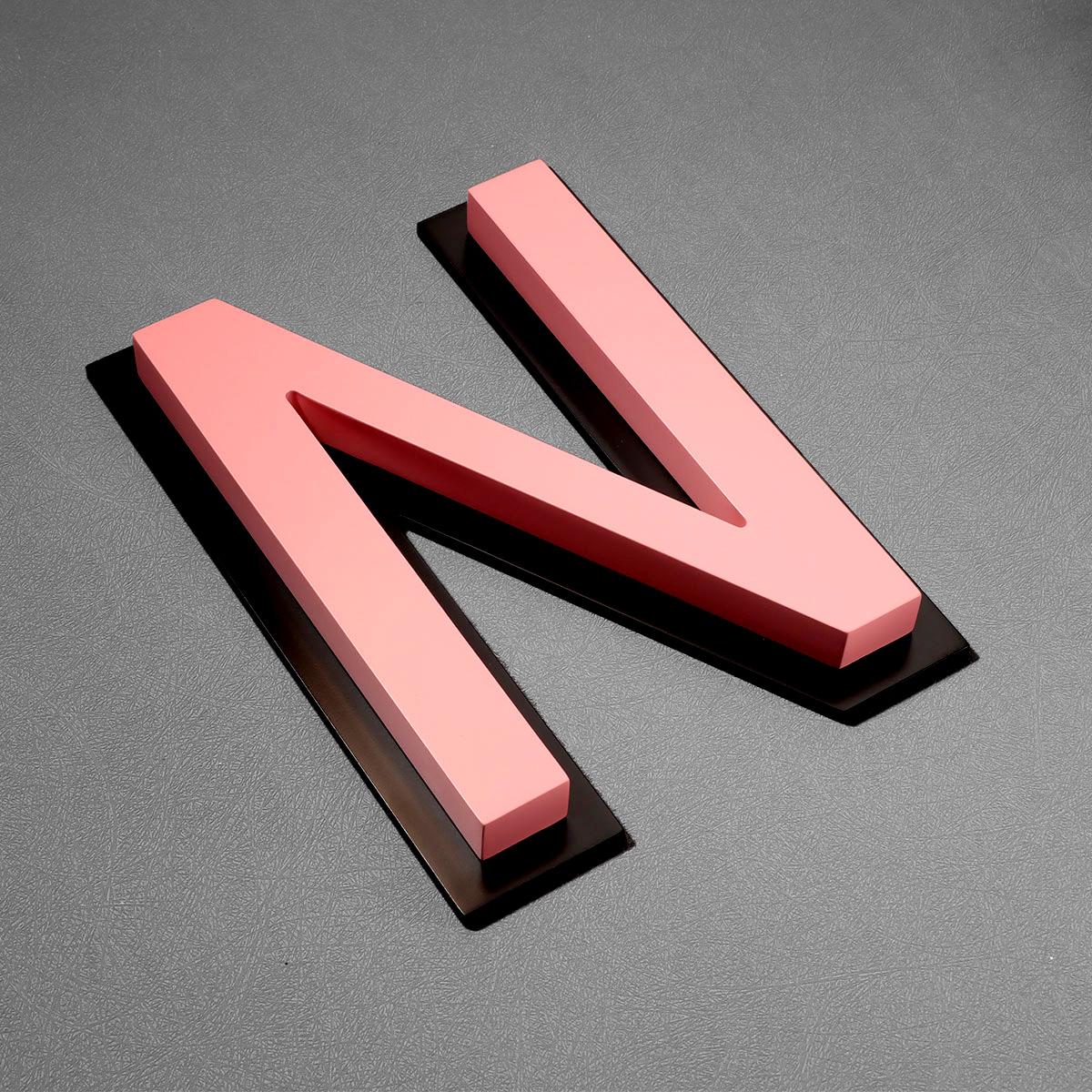
As a careful guide, I’ll walk you through practical comparisons between materials and techniques that affect legibility, durability, and cost for transit signage. Early on the project, teams decide on face material (acrylic, polycarbonate) and whether to use a backlit LED module or reflective panels. Those choices determine the target light transmission ratio and what kind of diffusion filter will deliver consistent luminance across the face. For bespoke projects, consider a reliable custom signage partner who understands both fabrication tolerances and optical trade-offs.
Materials: Strengths and Tradeoffs
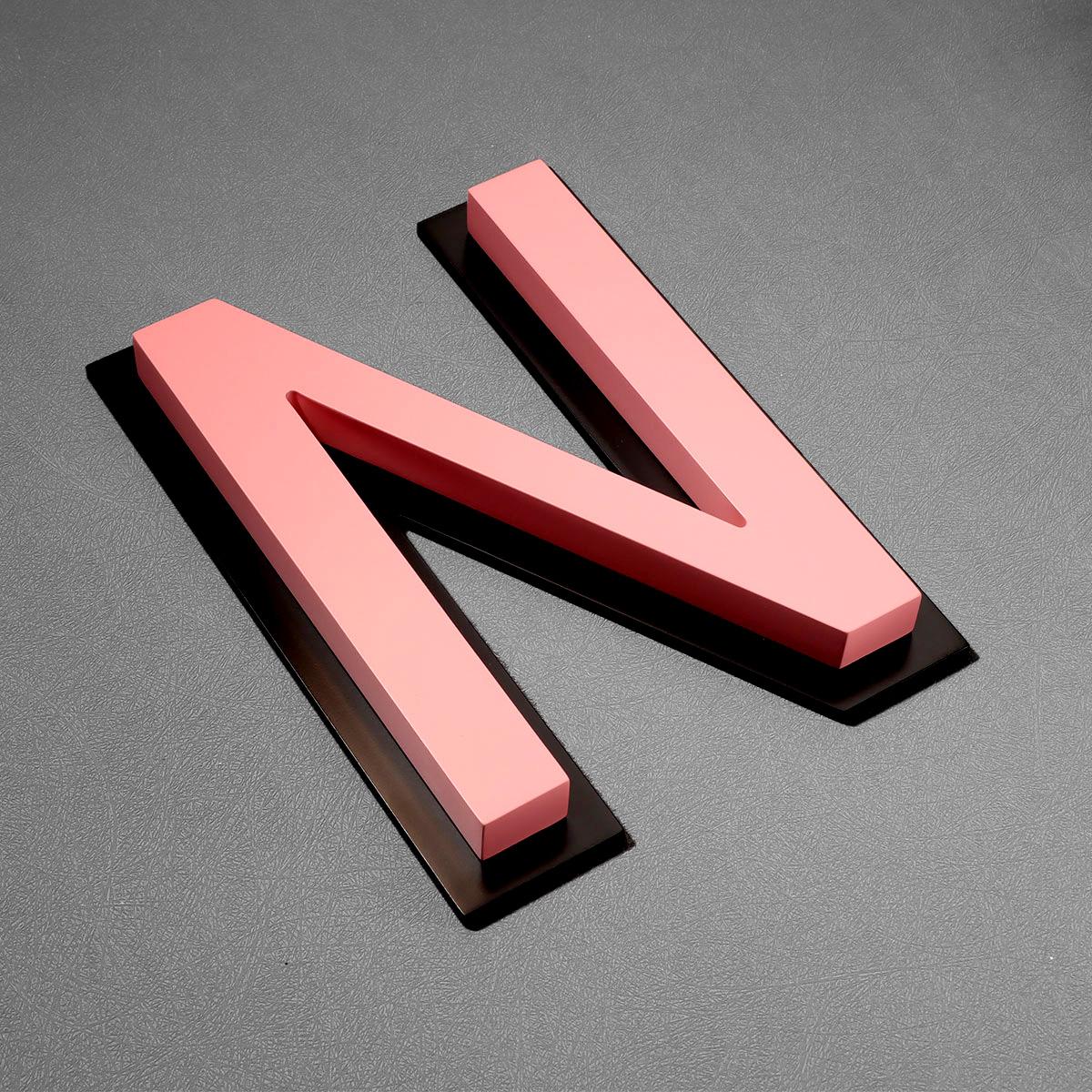
Acrylic offers clean light diffusion and is forgiving with printing; polycarbonate is tougher but can introduce hotspots if paired with the wrong LED spacing. Metal-faced options keep external durability high, yet require higher luminance to match the perceived brightness of translucent faces. When you compare substrates, weigh impact resistance against the light transmission ratio you need for night and day conditions. Practical tests in situ—say, a platform under the London Underground canopy—often reveal small but important differences between lab predictions and real-world viewing.
Light Transmission Ratio: Choosing the Right Target
Light transmission ratio governs how much LED output becomes useful light for the viewer. Lower ratios mask LED banding but demand stronger drivers and higher energy use. Higher ratios give punchier colors but magnify non-uniformity from poor diffusion. Aim for a middle band for most transit signs: enough transmission for clear typography at distance, yet enough scattering to hide point-source LEDs. Calibration is straightforward: mock up a section of the face with the chosen diffusion filter and measure luminance at typical viewing angles.
Diffusion Filters: Types and Practical Effects
Common diffusion options include micro-etched acrylic, frosted films, and engineered prismatic layers. Each brings a different compromise between sharpness and uniformity. For example, micro-etched acrylic preserves color fidelity but needs tighter LED spacing; a heavier frosted film smooths hotspots but slightly reduces peak luminance. Work with your custom signage fabricator to prototype a small panel before committing—this saves time and prevents costly rework.
Common Mistakes and How to Avoid Them
Teams often underspec LED layout relative to the selected diffusion filter, or they pick the cheapest plastic without testing UV stability. Another recurring error is ignoring maintenance: inaccessible LED modules increase long-term costs far more than the price difference in fixtures. Test mock-ups under both daylight and artificial light. If you can, simulate oblique viewing angles and wet conditions—those reveal issues that straight-on lab tests miss. —A quick on-site check after installation will catch issues early and keep riders’ experience consistent.
Comparative Checklist for Procurement
Use a short scoring matrix when comparing vendors and designs: uniformity (measured candela/m2 spread), durability (impact and UV resistance), and serviceability (module access and spare-part availability). Favor options that score well across the board rather than leading in one metric and failing in others. That balanced approach reduces surprises during deployment.
Three Golden Rules for Signage Success
1) Prioritize prototype validation: one small panel under real conditions beats many simulated reports. 2) Match diffusion filter to LED pitch; don’t assume one-size-fits-all. 3) Factor maintenance access and standardized modules into the spec to lower long-term operational cost.
These rules come from hands-on projects and practical expertise—rooted in field testing and design iterations used on major transit systems like Transport for London—so expect measurable improvements in legibility and total cost when you apply them thoughtfully. The best outcomes happen when engineering and operations collaborate early, and when a capable partner handles both optical design and fabrication—such as Cosun Sign. —wise, steady, and ready to build.